
Shopify Plus Conversion Strategy: UX, Speed & CRO Priorities
By:
Find the Shopify Plus conversion blockers that slow growth, from checkout friction and app bloat to merchandising gaps, UX debt, and measurement issues.
To maximize enterprise checkout efficiency in 2026, brands must systematically eliminate friction points across the purchasing funnel. CRO UX design is the strategic process of optimizing a website's user interface and user experience specifically to increase conversion rates. In our work with merchants on Shopify Plus, we find that auditing checkout leaks using a structured conversion rate calculator ecommerce methodology is the fastest path to recovering lost revenue.
Key Takeaways
- The 0.5% Revenue Rule: A minor 0.5% drop in checkout conversion on a $50M Shopify Plus store costs $250,000 annually.
- The One-Click Priority: Integrating express payment options like Shop Pay and Apple Pay reduces mobile input errors by up to 40%.
- The Friction-Leak Matrix: Mapping funnel drop-offs using GA4 and Shopify Analytics isolates the exact step responsible for high cart abandonment.
- CFO-Ready Modeling: Use a conversion rate calculator ecommerce model to project ROI and payback periods before proposing design budgets.
Why CRO UX Design is Critical for Enterprise Shopify Plus
Enterprise Shopify Plus stores lose millions in annual revenue due to hidden checkout friction, yet product teams struggle to secure UX redesign budgets without concrete financial projections. By combining quantitative data analysis with qualitative user research, CRO UX design systematically identifies and removes friction points in the purchasing funnel to maximize revenue per visitor.
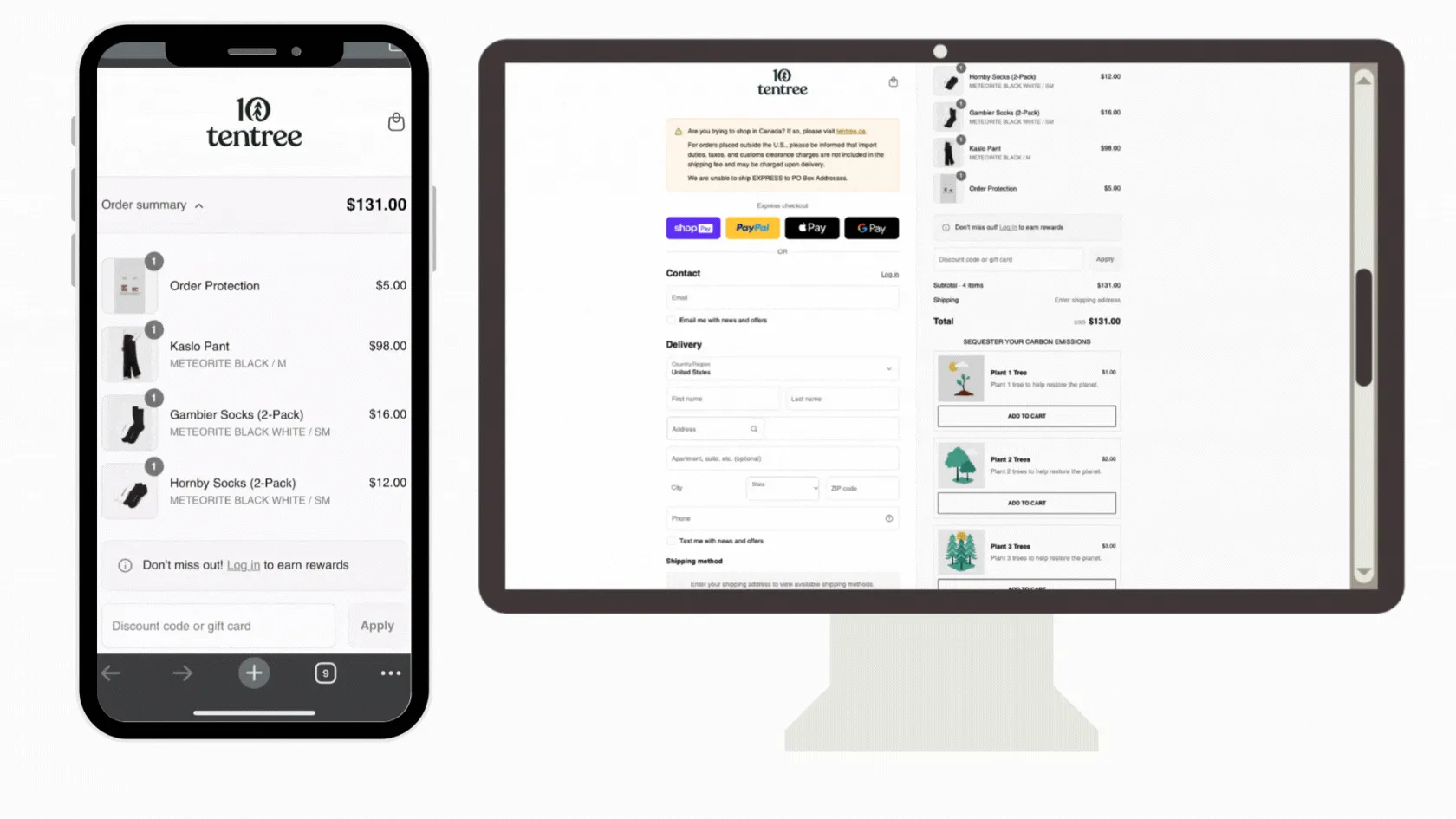
To secure budget approval, you must translate design metrics into financial outcomes. A minor drop in checkout completion rates translates to massive revenue losses at enterprise scale. For example, a 0.5% drop in checkout conversion on a $50M store costs $250,000 annually. Most enterprise leaks occur during multi-step checkouts, address validation, and payment gateway transitions. Implementing targeted CRO UX design services directly addresses these leaks by aligning user behavior with technical performance.
Metric / Attribute Traditional UX Redesign CRO UX Design Framework Primary Focus Aesthetic modernization & brand alignment Conversion rate & revenue optimization Data Source Subjective design trends & opinions Quantitative analytics & user behavior data Implementation Risk High (large-scale, unvalidated changes) Low (iterative, data-backed deployments) ROI Measurement Difficult to isolate and quantify Directly measurable via conversion liftThe 4-Step Checkout-Leakage Calculator Matrix
To justify your budget, you need hard data. Use this audit framework to calculate your exact revenue leakage and build a compelling business case.
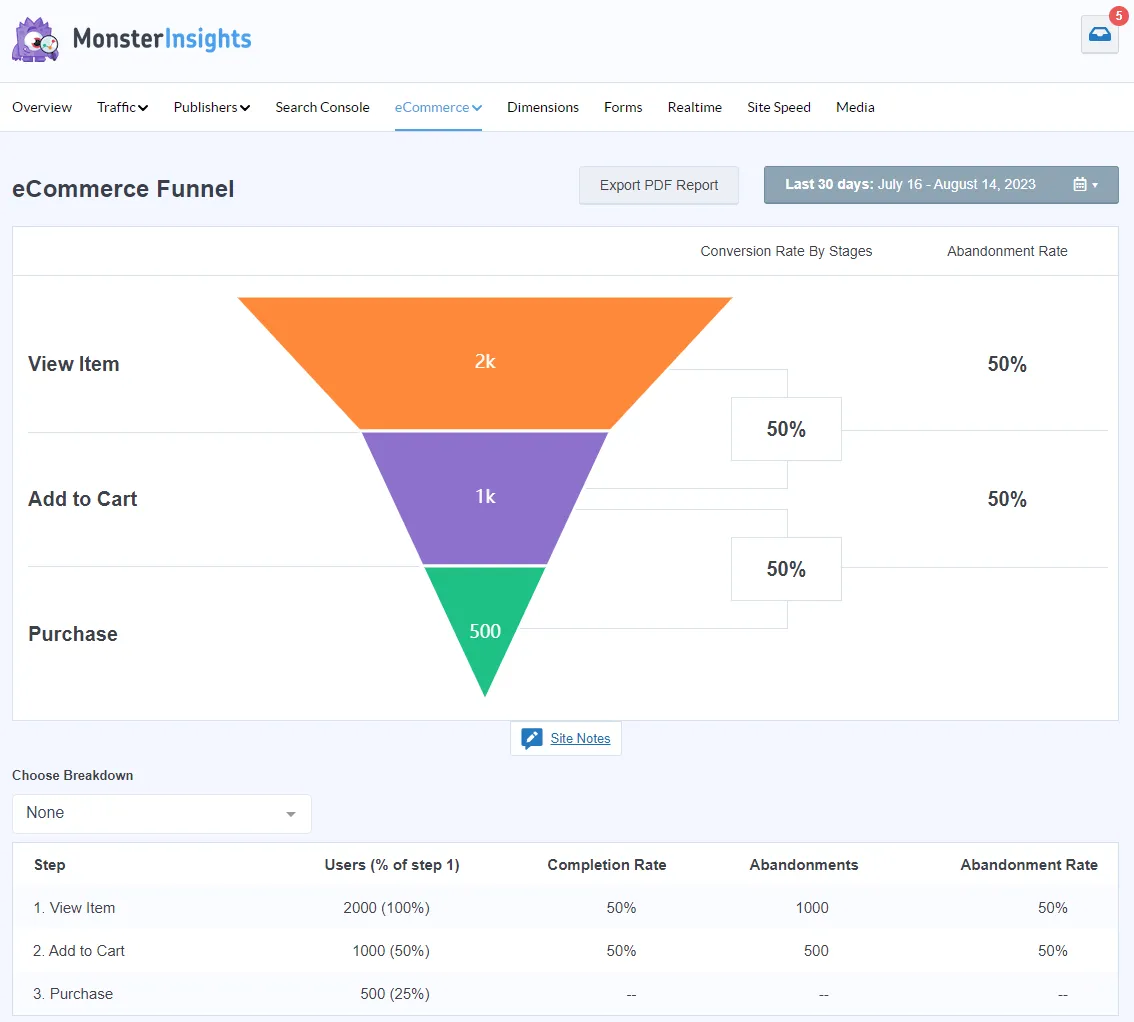
Step 1: Map the Funnel Drop-off Rates
Identify where users exit the checkout flow using Shopify Analytics and GA4. Track the drop-off from cart to checkout initiation and measure the completion rate of each individual checkout step.
Step 2: Quantify the Value of Lost Users
Calculate the exact financial loss of each drop-off stage. Use the formula: [Dropped Users x Average Order Value (AOV) = Leaked Revenue]. Focus on the step with the highest drop-off rate to find your primary target.
Step 3: Correlate Page Speed with Web Vitals
Slow load times directly damage user experience and conversions. Review mobile load times on key checkout steps using Google Web Vitals. Utilize specialized technical optimizations to eliminate latency-driven abandonment, or consider migrating to headless architectures like Shopify Hydrogen to achieve sub-second load times.
Step 4: Conduct Session Recordings and Heatmaps
Use tools like Hotjar or Microsoft Clarity to observe real user frustration. Look for rapid clicking (rage clicks) on non-interactive elements and identify form fields that users repeatedly edit or skip.
Common Checkout Friction Points and How to Fix Them
Enterprise Shopify stores often suffer from predictable, highly fixable UX flaws that can be resolved with targeted development.
Friction Point 1: Overcomplicated Form Fields
The Problem: Asking for redundant information (e.g., separate billing and shipping fields by default) slows down checkout.
The Fix: Implement single-page checkout layouts, auto-detect address fields, and default to "billing address same as shipping."
Friction Point 2: Hidden Shipping Costs and Taxes
The Problem: Displaying unexpected fees only at the final payment step triggers immediate abandonment.
The Fix: Show estimated taxes and shipping costs on the cart page or offer a dynamic shipping calculator.
Friction Point 3: Lack of Express Payment Options
The Problem: Forcing users to manually enter credit card numbers on mobile devices increases input errors.
The Fix: Integrate one-click checkout options like Shop Pay, Apple Pay, and Google Pay. If custom implementation is required, leverage custom Shopify development services to ensure seamless API integration.
How Avelize Approaches CRO UX Design
Our team deploys a comprehensive 4-week CRO UX design audit program designed to identify, quantify, and resolve checkout friction. We don't guess; we engineer solutions based on hard data.
- Week 1: Data Integration & GA4 Audit — We audit your tracking setup to ensure every checkout step is accurately measured.
- Week 2: Qualitative User Testing & Heatmaps — We observe real user behavior to isolate friction points.
- Week 3: Financial Modeling — We run your metrics through our proprietary conversion rate calculator ecommerce matrix to project exact ROI.
- Week 4: Implementation Roadmap — We deliver a prioritized backlog of high-impact design and development recommendations.
Our typical engagement results in a 10% to 15% reduction in checkout abandonment within the first quarter of implementation. If you are looking for a specialized team to execute this in the Southeast, our ux conversion optimisation atlanta program offers localized expertise with enterprise-grade execution.
Frequently Asked Questions
What is the difference between standard UX design and CRO UX design?
While standard UX design focuses broadly on user satisfaction, aesthetic appeal, and brand alignment, CRO UX design is a highly specialized, data-driven discipline focused strictly on maximizing conversion rates and business revenue. In our work with merchants on Shopify Plus, we treat every design element as a hypothesis to be tested. Standard UX design might prioritize a clean, minimalist interface that inadvertently hides critical checkout information, whereas CRO UX design utilizes quantitative analytics, heatmaps, and session recordings to ensure key elements—such as express payment buttons, shipping calculators, and trust signals—are strategically positioned to minimize friction. By combining behavioral psychology with technical performance metrics like Core Web Vitals, CRO UX design bridges the gap between creative aesthetics and measurable financial outcomes, transforming design from an operational expense into a direct revenue driver for enterprise e-commerce brands.
How do you use a conversion rate calculator ecommerce model to justify budgets?
A conversion rate calculator ecommerce model allows you to input your current traffic, average order value (AOV), and baseline conversion rate to simulate the financial impact of incremental improvements. By showing the CFO that a conservative 0.5% lift in checkout completion will yield $250,000 in incremental annual revenue, you can easily justify a $50,000 design and development budget based on a clear, short-term payback period.
Is a specialized UX conversion optimisation Atlanta agency necessary for Shopify Plus?
While Shopify Plus provides a highly optimized checkout out of the box, enterprise brands often require custom integrations, unique shipping rules, and localized payment gateways. Working with a specialized agency that understands both local market dynamics and global enterprise standards ensures your custom Liquid or headless Hydrogen checkout remains fully optimized without sacrificing site speed or security.
Ready to eliminate checkout friction and unlock hidden revenue? Contact our team today to learn more about our CRO UX design programs and custom Shopify development solutions.
Published / Last reviewed: October 2026
Shopify Plus Conversion Review Framework
Conversion work on Shopify Plus should connect user experience, technical performance, merchandising, checkout behavior, and measurement quality. A redesign alone rarely fixes conversion if the page is slow, the offer is unclear, or analytics cannot explain where users hesitate.
- Review PDP clarity, trust signals, product discovery, and mobile usability.
- Audit app and script impact on Core Web Vitals and checkout flow.
- Compare conversion drop-offs by device, traffic source, product type, and landing page.
- Turn findings into a prioritized CRO backlog with measurable hypotheses.
Authoritative References
Use these official resources to verify platform-specific claims and implementation details before making commercial or technical decisions.
- Shopify Plus overview
- Shopify Functions documentation
- Checkout Extensibility documentation
- Google Search Central: Core Web Vitals
Related Avelize Services: Services · Ecommerce Web Design Agency