
Programmatic SEO for Ecommerce: Scale 10k+ Pages Safely
By:
Review how AI In E-Commerce Examples shape Shopify Plus SEO, CRO, migration risk, and revenue so ecommerce teams can prioritize safer fixes.
Programmatic SEO for ecommerce is the automated creation of search-optimized category, collection, or landing pages at scale using structured product data. In our work with merchants, we deploy this strategy to capture high-intent, long-tail search queries by dynamically pairing product attributes with transactional search intent modifiers. By automating this process, Shopify Plus brands can scale organic traffic exponentially without manual page creation bottlenecks.
Key Takeaways
- The 3-Product Noindex Rule: Automatically apply
noindextags to programmatic pages with fewer than 3 products to protect crawl budget. - Tiered XML Sitemap Protocol: Split massive URL lists into batches of 1,000 to ensure rapid, sequential indexation by Googlebot.
- Dynamic Schema Injection: Use a custom shopify schema generator to inject real-time JSON-LD
CollectionPageandItemListmarkup. - 1.8-Second Performance Target: Keep dynamic collection pages loading under 1.8 seconds to meet Core Web Vitals and secure rankings.
Mapping Your Programmatic Keyword Matrix for High-Intent E-commerce Queries
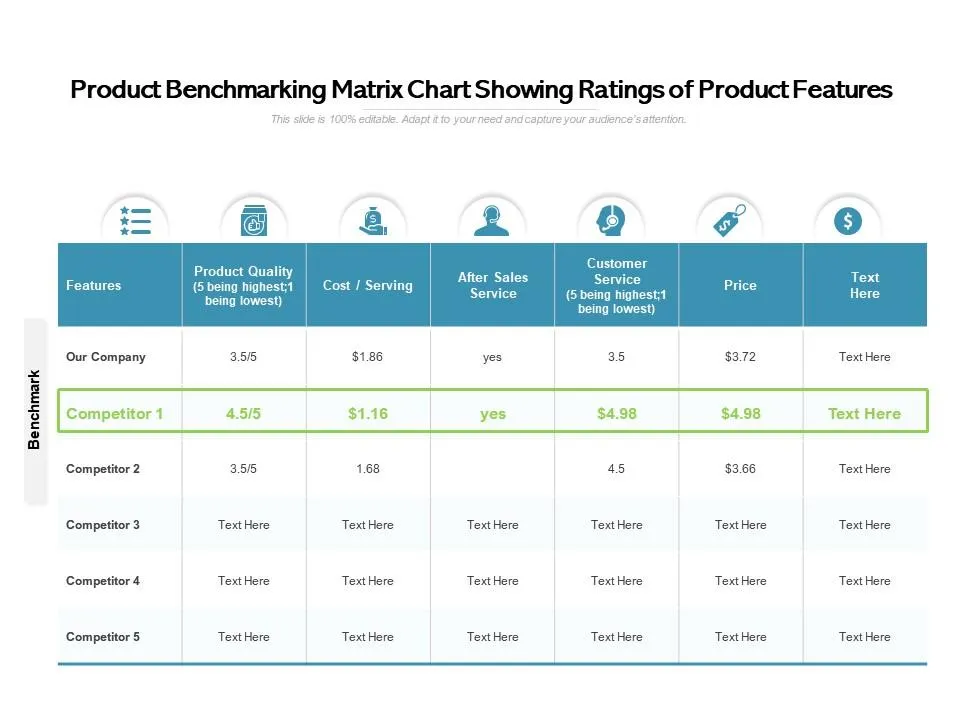
To scale your organic traffic, we must map our keyword matrix systematically. Combine your core product categories with high-intent modifiers to capture users at the exact moment of transactional intent.
- Core Categories: [Product Type] (e.g., "running shoes", "leather boots")
- Modifiers: [Color], [Material], [Size], [Use Case], [Gender]
- Search Intent Modifiers: "best", "waterproof", "under $100", "for wide feet"
- Matrix Example: [Modifier] + [Core Category] = "waterproof running shoes for wide feet"
Database Architecture: Structuring Product Datasets for Automated Page Generation
Shopify brands often hit database limitations when trying to map complex product attributes to dynamic pages. We need a structured database architecture that exports clean data to your page generator.
- Utilize Shopify Metafields and Metaobjects to store structured specifications.
- Map every product to a single primary collection to prevent duplicate URL routing.
- Standardize attribute taxonomy (e.g., ensure "crimson", "ruby", and "scarlet" map to a parent "red" filter).
- Export your product dataset as a clean JSON or CSV file to feed into your programmatic engine.
If your in-house team lacks the bandwidth to build these complex database structures, utilizing professional custom Shopify development ensures your backend can handle automated page generation without breaking.
Executing a Shopify Technical SEO Audit for Programmatic Pages in 2026
Generating thousands of pages can instantly break your site's performance and crawlability. We must run a technical audit before launching these pages to ensure search engines can crawl them efficiently.
Checklist for Programmatic Shopify Audits
- Verify canonical tags: Ensure every programmatic page canonicalizes to its own clean URL, not the root collection.
- Audit internal link depth: Ensure no programmatic page is more than 3 clicks away from the homepage.
- Check page load speeds: Ensure dynamic collections load in under 1.8 seconds using Lighthouse.
- Validate mobile responsiveness: Test dynamic layouts on mobile viewports to prevent layout shifts.
For enterprise brands, running a comprehensive Shopify technical SEO audit prevents common indexation bottlenecks.
Automating Structured Data with a Custom Shopify Schema Generator
Static schema markup fails when scaling to thousands of dynamic pages. We need automated, dynamic schema injection to ensure search engines understand our page hierarchy.
- Dynamically generate
CollectionPageandItemListschema for programmatic collection pages. - Inject
Productschema containing real-time price, availability, and review ratings. - Ensure
BreadcrumbListschema dynamically reflects the programmatic category hierarchy. - Use JSON-LD format injected via Shopify's Liquid theme or a headless API layer.
To implement this at scale, our growth engineers leverage a custom shopify schema generator within our data pipelines to automate schema generation without manual coding.
Controlling Crawl Budget and Indexation for 10,000+ Dynamic URLs
Managing crawl budget is critical when launching thousands of dynamic URLs. We use specific strategies to prevent Googlebot from wasting resources on low-value pages.
What to Avoid
- Do not submit all 10,000+ programmatic URLs to your primary sitemap at once.
- Avoid leaving low-inventory programmatic pages open to search crawlers.
- Do not allow pagination pages (e.g.,
?page=2) to compete for indexation.
How to Fix
- Implement a Tiered XML Sitemap: Split your sitemaps into batches of 1,000 URLs and submit them sequentially.
- Noindex Low-Value Pages: Dynamically add a
noindextag to any programmatic page containing fewer than 3 products. - Optimize Robots.txt: Disallow search engines from crawling filter parameters (e.g.,
*filter.p.m.*) to conserve crawl budget.
Measuring Performance: Tracking Programmatic Page ROI in Google Search Console
Tracking the ROI of thousands of pages requires structured URL parameters and clean reporting.
- Use URL Subfolders: Structure your programmatic URLs under a specific subfolder (e.g.,
/collections/s/[attribute]-[category]). - Create GSC Regex Filters: Filter performance in Google Search Console using regex matching your subfolder pattern.
- Monitor Indexation Rates: Track the ratio of "Indexed" vs. "Crawled - currently not indexed" pages weekly.
- Track Conversion Rates: Segment programmatic landing page traffic in GA4 to measure direct revenue generation.
How Avelize Approaches Programmatic SEO at Scale
We engineer programmatic SEO engines that drive high-intent traffic without compromising site performance or crawl health. Our structured process ensures safe, scalable deployment:
- Phase 1: Taxonomy & Database Mapping (Weeks 1-2): We audit your Shopify Plus metafields and metaobjects to build a clean JSON/GraphQL product dataset. KPI: 100% attribute accuracy.
- Phase 2: Template Engineering & Schema Automation (Weeks 3-4): Our team builds high-performance Liquid templates or Hydrogen/Next.js headless routes with automated JSON-LD schema. KPI: <1.8s load time.
- Phase 3: Indexation & Crawl Control (Weeks 5-6): We deploy our Tiered XML Sitemap Protocol and the 3-Product Noindex Rule. KPI: 90%+ indexation rate within 30 days.
Our programmatic content engineering programs typically range from $8,000 to $15,000 depending on catalog complexity. Learn more about our Technical SEO & GEO programs.
Published / Last reviewed: October 2026
Search Intent Refresh Notes
This page has search demand in Google Search Console. Refresh it around the highest-impression query language, add concrete examples, clarify the decision criteria, and link to the most relevant service page or related guide.
Authoritative References
Use these official resources to verify platform-specific claims and implementation details before making commercial or technical decisions.
- Shopify Plus overview
- Google SEO Starter Guide
- Google canonicalization guide
- Google structured data introduction
Related Avelize Services: Services · Ecommerce Web Design Agency