
Shopify Plus Conversion Strategy: UX, Speed & CRO Priorities
By:
Find the Shopify Plus conversion blockers that slow growth, from checkout friction and app bloat to merchandising gaps, UX debt, and measurement issues.
Shopify AI merchandising is an automated system that uses machine learning algorithms, real-time customer behavior, and predictive data to dynamically arrange product grids, search results, and recommendations, replacing manual sorting rules to maximize conversion rates and average order value for high-volume merchants. In our work with merchants on Shopify Plus, transitioning from static collections to predictive layouts consistently drives double-digit revenue lifts by aligning real-time user intent with inventory levels.
Key Takeaways
- The 80/20 Rule: Automate 80% of collection sorting with predictive algorithms, leaving 20% for high-priority manual campaign pins.
- Real-Time Personalization: Dynamically re-rank product grids based on individual click paths and historic Klaviyo profile data.
- Inventory Alignment: Automatically bury out-of-stock SKUs and elevate high-margin items to prevent wasted screen real estate.
- Measurable ROI: Target a 15% to 25% conversion lift on AI-sorted collection pages compared to legacy static layouts.
Why Static Shopify Collections Hurt Your Conversion Rate (The Manual Sorting Problem)
Relying on static collection sorting creates immediate operational bottlenecks and revenue leaks. When our team audits high-volume stores, we frequently identify significant drop-offs caused by outdated merchandising strategies. Here is why manual rules fail at scale:
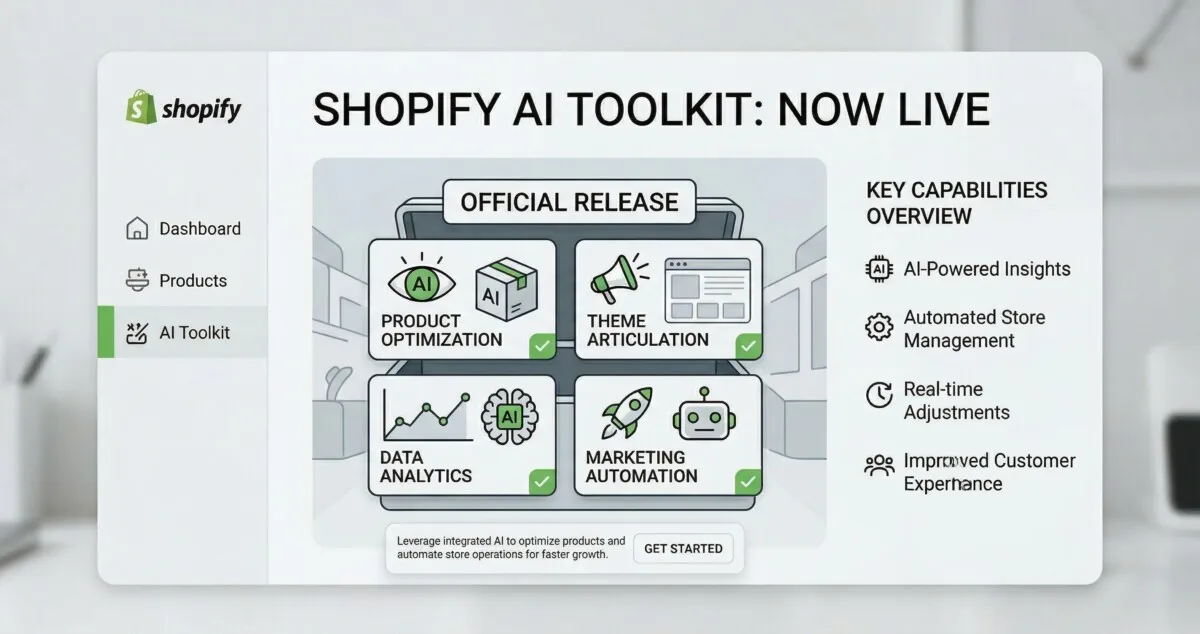
- Inability to scale: Managing thousands of SKUs across dozens of collections manually requires constant spreadsheet updates and human intervention, draining internal resources.
- Static layouts: Customers see the same product grid regardless of their browsing history, geographic location, or purchasing intent, leading to poor engagement.
- Inventory misalignment: Out-of-stock items or low-margin products frequently remain pinned to the top of high-traffic collections, wasting valuable screen real estate and lowering conversion rate optimization shopify metrics.
- Delayed response: Manual merchandisers cannot react in real time to sudden traffic spikes, viral social trends, or shifting buying patterns during critical periods like BFCM.
How to Set Up Shopify AI Merchandising: Step-by-Step Configuration
Transitioning from manual rules to automated sorting requires a structured implementation plan. Follow this checklist to configure your system for optimal performance:
- Audit your catalog data: Clean up product tags, vendor names, and collections to ensure the AI model processes accurate metadata.
- Select your AI engine: Choose a compatible Shopify Plus app (such as Nosto, Klevu, or Searchspring) or utilize Shopify’s native Search & Discovery app.
- Integrate APIs: Connect the search, collection, and recommendation APIs to your theme. For complex headless setups using Hydrogen, leverage specialized custom Shopify development to prevent layout shifts and maintain lightning-fast Core Web Vitals.
- Define global merchandising guardrails: Set baseline rules to automatically bury out-of-stock items and pin high-margin products.
- Enable personalization algorithms: Activate real-time user-intent tracking to dynamically re-rank product grids based on individual click paths.
- Deploy tracking pixels: Ensure all conversion, add-to-cart, and search events feed directly back into the AI model to train the algorithm.
Leveraging Predictive Analytics for Dynamic Product Discovery and Search
Predictive search and discovery eliminate the friction of finding products, moving buyers from landing pages to checkout faster. By utilizing predictive analytics ecommerce tools, merchants can anticipate exactly what a customer wants before they finish typing.
Feature Manual Merchandising Predictive AI Merchandising Grid Sorting Static rules based on manual inputs Dynamic real-time sorting based on user intent Inventory Alignment Manual updates; out-of-stock items can linger Automated burying of out-of-stock SKUs Personalization None; identical layout for all visitors Hyper-personalized based on browsing history- Intent-based search: The system analyzes search queries in real time to deliver accurate results, accounting for typos, synonyms, and natural language.
- Dynamic facet filters: Filter options automatically reorder based on the category page, showing the most relevant attributes (like size or color) first.
- Visual merchandising automation: The AI automatically elevates trending products and buries declining styles without manual intervention.
To maximize the impact of these features, aligning your store's interface through professional conversion rate optimization and UX design ensures a seamless, high-converting discovery flow.
Optimizing High-Value Touchpoints: Cart, Checkout, and Post-Purchase Recommendations
Automated recommendations must target customers at critical decision points to maximize average order value (AOV). By leveraging the GraphQL Storefront API, we build high-performance recommendation widgets that load instantly.
- Slide-out cart drawer: Display personalized cross-sells based on the current cart contents, prioritizing items that push the user toward free shipping thresholds.
- Shopify Plus checkout: Use checkout extensibility to show low-friction, high-margin impulse buys directly on the payment page.
- Post-purchase upsells: Present one-click buy offers immediately after purchase, before the customer reaches the thank-you page.
- Segmented homepages: Show returning visitors "Recently Viewed" items, while displaying "Trending Products" to anonymous, first-time traffic.
Measuring the ROI of AI Merchandising: Key Metrics and A/B Testing Frameworks
To justify your technology spend, you must continuously measure performance against static baselines. We implement "the 14-day split-run protocol" to isolate the exact revenue lift of predictive algorithms.
Key Performance Indicators to Monitor
- Collection Conversion Rate: Target a 15% to 25% conversion lift on AI-sorted pages compared to manual grids.
- Search Exit Rate: Aim for a reduction of 30% or more in search exits, indicating higher search relevance.
- Average Order Value (AOV): Track the revenue share generated directly by recommended products.
- Revenue Per Visitor (RPV): Monitor RPV across traffic sources to evaluate long-term personalization value.
The A/B Testing Framework
- Route 50% of traffic to your legacy, manually sorted collections.
- Route the remaining 50% of traffic to your AI-personalized collections.
- Run the test for a minimum of 14 days to account for weekly purchase cycles.
- Conclude the test only after reaching 95% statistical significance.
Common Merchandising Mistakes and How to Fix Them
The Mistake: Over-constraining the AI with too many manual pinning and exclusion rules, which overrides the machine learning algorithm.
How to Fix: Limit manual overrides to absolute essentials, such as seasonal campaigns, and let the algorithm manage 80% or more of the product rankings.
The Mistake: Ignoring page load speed when deploying third-party personalization widgets, which increases bounce rates.
How to Fix: Run regular speed optimization audits to ensure dynamic scripts load asynchronously without blocking critical rendering paths. If your current setup is lagging, our team can engineer high-performance headless storefronts or optimize your Liquid theme via our Shopify development services.
How Avelize Approaches AI Merchandising Implementation
Our team implements a structured, 4-week integration program designed to deploy predictive analytics without disrupting your live store operations. We audit your existing data architecture, configure your chosen AI engine, and design custom UI components that match your brand identity. Our target KPI is a minimum 15% lift in collection-page conversion rates within the first 30 days of deployment.
Ready to scale your store's performance? Partner with our team for a comprehensive Technical SEO & GEO program to integrate predictive analytics and maximize your conversion rates in 2026.
Published / Last reviewed: October 24, 2026
Shopify Plus Conversion Review Framework
Conversion work on Shopify Plus should connect user experience, technical performance, merchandising, checkout behavior, and measurement quality. A redesign alone rarely fixes conversion if the page is slow, the offer is unclear, or analytics cannot explain where users hesitate.
- Review PDP clarity, trust signals, product discovery, and mobile usability.
- Audit app and script impact on Core Web Vitals and checkout flow.
- Compare conversion drop-offs by device, traffic source, product type, and landing page.
- Turn findings into a prioritized CRO backlog with measurable hypotheses.
Authoritative References
Use these official resources to verify platform-specific claims and implementation details before making commercial or technical decisions.
- Shopify Plus overview
- Shopify Functions documentation
- Checkout Extensibility documentation
- Google Search Central: Core Web Vitals
Related Avelize Services: Services · Ecommerce Web Design Agency