
Agentic Commerce for Shopify: 4 High-ROI AI Workflows
By:
Agentic Commerce For Shopify 4 High-Roi AI Workflows: a practical Shopify Plus guide to the SEO, CRO, and revenue decisions that matter for ecommerce teams.
Agentic Commerce for Shopify is the deployment of autonomous, LLM-driven AI agents capable of executing complex, multi-step operational workflows directly through the Shopify Admin API. Unlike static automation tools, these systems interpret unstructured data, evaluate real-time context, and make adaptive decisions. In our work with merchants, we deploy these agents to eliminate manual bottlenecks in inventory, customer support, and catalog management.
Key Takeaways
- The HITL-50 Guardrail: Restrict autonomous financial actions (like refunds) to a maximum of $50 without human-in-the-loop authorization.
- Semantic Schema Validation: Use Pydantic to validate LLM-generated JSON payloads against Shopify GraphQL schemas before API execution.
- Dynamic Inventory Reordering: Prevent stockouts by triggering automated vendor purchase orders when inventory falls below 14 days of velocity-adjusted runway.
- Real-Time Fraud Mitigation: Intercept high-risk orders using webhooks and automatically trigger SMS verification loops to reduce chargebacks by up to 90%.
Why Traditional Shopify Flow Fails Where Agentic Commerce Succeeds
Agentic commerce Shopify integrations use large language models (LLMs) configured as autonomous decision-makers that leverage APIs to execute multi-step operational workflows. Unlike static, rule-based automation tools like Shopify Flow, agentic systems interpret unstructured data, evaluate real-time context, and dynamically resolve complex e-commerce exceptions without manual human intervention.

Traditional automation tools fail because they rely on rigid "if-this-then-that" logic. When an exception occurs that falls outside of a predefined rule, the automation breaks, requiring manual developer intervention or human triage.
- Static Logic Limitations: Standard flows cannot parse unstructured customer emails, read supplier invoices, or handle fuzzy matching for SKU discrepancies.
- Zero Adaptive Reasoning: If a supplier is out of stock, a rule-based system simply halts. An agent can analyze historical alternatives, negotiate via email, and update the purchase order dynamically.
- Fragile API Integrations: Traditional workflows break when API payloads change slightly, whereas LLM-based agents can map semantic fields to correct destinations dynamically.
Comparison: Shopify Flow vs. Agentic Commerce
Feature Shopify Flow (Static Rules) Agentic Commerce (Autonomous LLM) Decision Engine Rigid If/Then logic gates Context-aware Large Language Models (LLMs) Unstructured Data Cannot parse (fails on emails/PDFs) Natively parses and extracts semantic intent Exception Handling Halts workflow, requires human triage Dynamically resolves or negotiates alternatives API Mapping Hardcoded field matching Dynamic semantic field mappingWorkflow 1: Autonomous Inventory Reordering and Supplier Communication Agents
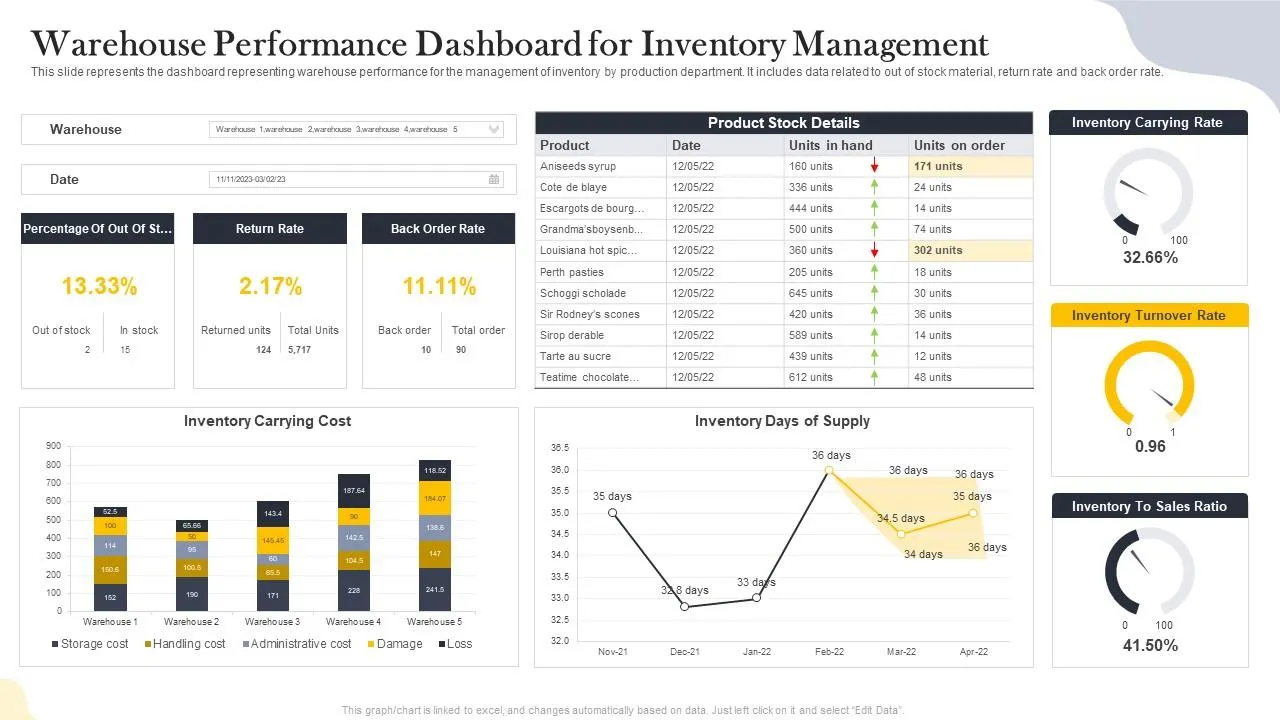
This workflow eliminates stockouts by monitoring inventory levels, predicting depletion timelines, and managing supplier communication autonomously.
- Step 1: The agent monitors the
inventory_levels/updatewebhook to track stock counts across multiple locations. - Step 2: When stock drops below 14 days of velocity-adjusted runway, the agent calculates the optimal reorder quantity.
- Step 3: The agent drafts a purchase order PDF and emails the supplier, requesting confirmation of the delivery date.
- Step 4: If the supplier responds with a delay, the agent evaluates alternative vendors or flags the delay in your ERP.
For brands running complex supply chains, deploying custom Shopify development services to build secure middleware is the most reliable way to connect inventory databases with LLM orchestrators.
Workflow 2: AI-Driven Customer Support Agents with Order Modification Autonomy
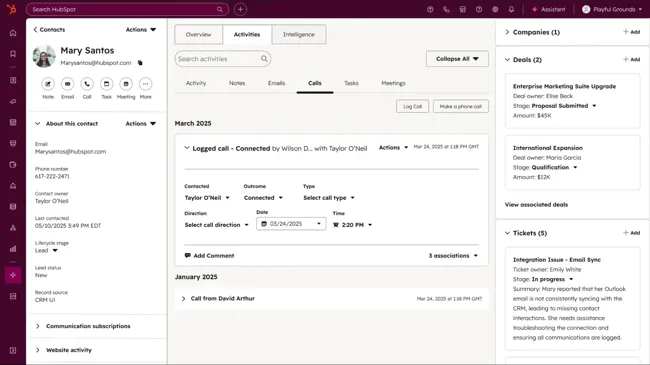
Most customer support tickets involve repetitive order modifications that require direct edits inside the Shopify Admin API.
- Intent Extraction: The agent parses incoming emails via a webhook to extract the customer's intent (e.g., address change, item swap, cancellation).
- Verification: The agent calls the
orders.jsonendpoint to verify the order status is unfulfilled. - Execution: If eligible, the agent executes the
orderUpdateororderCancelGraphQL mutation to modify the order instantly. - Confirmation: The agent drafts and sends a personalized, natural-language confirmation email containing the updated order details.
Workflow 3: Automated Product Catalog Enrichment and SEO Tagging Agents
Adding new products manually slows down time-to-market and leads to inconsistent metadata that hurts search rankings.
- Data Ingestion: The agent receives a raw spreadsheet, CSV, or ERP payload containing basic product dimensions and materials.
- Semantic Enrichment: The agent generates structured product descriptions, alt text for images, and tags based on your brand voice guidelines.
- SEO Optimization: The agent structures metadata, page titles, and URL handles optimized for high-volume keywords.
- API Upload: The agent pushes the enriched data directly to Shopify using the
productCreateGraphQL mutation.
To maximize organic visibility, combine these automated updates with specialized Shopify SEO services to ensure your generated metadata aligns with search intent and technical crawling standards.
Workflow 4: Real-Time Fraud Detection and High-Risk Order Mitigation Agents
Basic fraud filters often lead to false positives that hurt revenue, or false negatives that result in costly chargebacks.
- Risk Analysis: When an order is placed, the agent intercepts the payload and evaluates the
order_riskassessment. - Contextual Enrichment: The agent cross-references the customer's IP address, shipping-to-billing distance, and email age via third-party databases.
- Verification Loop: For medium-risk orders, the agent automatically sends an SMS verification link to the customer.
- Resolution: If verified, the agent releases the fulfillment hold. If fraud is confirmed, it cancels the order and restocks the inventory.
The Agentic Tech Stack: How to Connect LLM Orchestrators to Shopify's Admin API
Building a robust agentic architecture requires a middleware layer that translates LLM reasoning into secure, rate-limited Shopify API calls.
- Expose Secure Webhooks: Configure Shopify webhooks to send events (e.g., order creation, inventory updates) to your middleware server.
- Initialize the Orchestrator: Use a framework like LangGraph or a custom state machine to manage the agent's decision-making loops.
- Define Tool Schemas: Provide the LLM with structured JSON schemas of your Shopify Admin API mutations so it knows exactly how to read and write data.
- Authenticate via OAuth: Route all agent actions through a secure Shopify Custom App using access tokens with restricted scopes.
- Log and Audit State: Store every LLM input, reasoning step, and API execution payload in a centralized database for debugging.
Security and Guardrails: Setting Human-in-the-Loop Thresholds for Shopify Agents
Without strict guardrails, autonomous agents can execute incorrect API calls that lead to lost revenue or corrupted catalog data.
What to Avoid
- No Direct Financial Access: Do not allow agents to issue refunds over $50 without human sign-off.
- Unconstrained Prompting: Avoid open-ended text prompts that allow the LLM to generate raw, unvalidated JSON for API inputs.
- Ignoring Rate Limits: Do not run agent loops without implementing token bucket rate limiting to prevent hitting Shopify API limit errors.
How to Fix and Implement Guardrails
- Human-in-the-Loop (HITL) Triggers: Configure your middleware to pause execution and ping a Slack channel with approval buttons for high-risk actions.
- Strict Pydantic Validation: Validate all LLM-generated payloads against strict schemas before sending them to the Shopify GraphQL endpoint.
- Read-Only Sandbox Testing: Run new agents in a Shopify sandbox store with read-only API credentials for at least 14 days before deploying to production.
How Avelize Approaches Agentic Commerce Integration
Our team engineers custom agentic workflows tailored to your store's operational constraints. We ensure every integration is secure, rate-limited, and fully audited.
- Phase 1: Discovery & API Mapping (Weeks 1-2): We map your existing ERP, CRM, and Shopify Admin API endpoints to define the agent's action space.
- Phase 2: Middleware & Orchestration Development (Weeks 3-6): We build secure middleware using LangGraph and Pydantic validation to handle LLM reasoning loops.
- Phase 3: Sandbox Testing & HITL Guardrails (Weeks 7-8): We run the agent in a read-only staging environment for 14 days to eliminate edge-case errors.
- Phase 4: Production Deployment & Optimization (Ongoing): We monitor token usage, rate limits, and execution accuracy to maintain peak efficiency.
Ready to eliminate operational bottlenecks and scale your store with autonomous workflows? Contact our team today to explore our custom Shopify development and engineering programs.
Published / Last reviewed: May 24, 2026
Search Intent Refresh Notes
This page has search demand in Google Search Console. Refresh it around the highest-impression query language, add concrete examples, clarify the decision criteria, and link to the most relevant service page or related guide.
Authoritative References
Use these official resources to verify platform-specific claims and implementation details before making commercial or technical decisions.
- Shopify Plus overview
- Google SEO Starter Guide
- Google canonicalization guide
- Google structured data introduction
Related Avelize Services and Guides: Services · Ecommerce Web Design Agency