
Connecting LLM Agents to the Shopify Plus API
By:
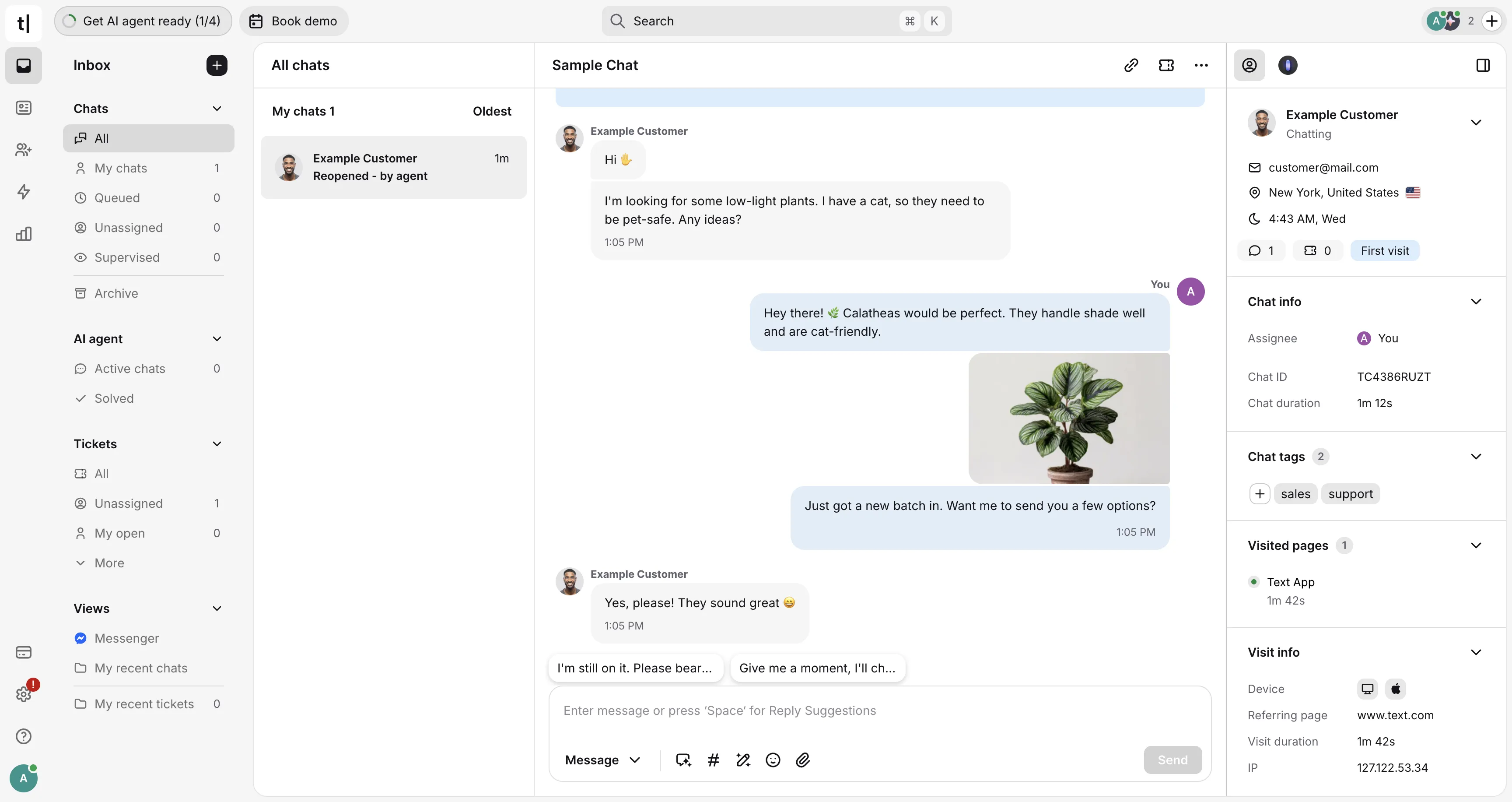
Agentic Commerce Shopify integrations allow autonomous AI agents to independently query catalogs, verify inventory, and build carts using Shopify Plus APIs. In our work with merchants, we have established that deploying a secure middleware layer between LLMs and Shopify's GraphQL Storefront API is the only viable path to prevent prompt injection and API rate-limiting. This guide provides the exact production-grade architectural blueprint to safely connect autonomous LLM agents to your Shopify Plus store in 2026.
Key Takeaways
- Zero-Trust Cart Hand-off: Never collect payment credentials via LLM; always redirect to Shopify's native checkout via secure
checkoutUrlmutations. - Strict Rate Limiting: Limit middleware to 60 LLM requests and 30 Shopify API calls per minute to prevent run-away execution loops.
- Vector Memory Mapping: Link short-term Redis sessions with long-term vector databases mapped to Shopify's native
customer_id. - Query Cost Guardrails: Monitor GraphQL query complexity to remain within Shopify's leaky bucket limit of 50 points per second.
Evaluating Shopify's Native AI Capabilities and API Readiness for Agentic Commerce
Agentic commerce Shopify refers to the integration of autonomous AI agents with Shopify Plus APIs, allowing LLMs to independently discover products, verify inventory, manage carts, and prepare checkouts. This architecture shifts the user experience from manual search-and-click navigation to natural language goal execution within a secure e-commerce framework.
Shopify's native AI features like Shopify Magic and Semantic Search are optimized for search-bar interfaces but lack autonomous execution capabilities. To deploy true agentic workflows, architects must leverage the GraphQL Storefront API and Admin API as the execution layer.
Feature Shopify Native Search Agentic Commerce (LLM + API) Execution Mode Passive (User-driven) Autonomous (Goal-driven) Context Awareness Single-query keywords Multi-turn session memory Cart Actionability Manual click to add Automated GraphQL mutationsTo learn more about optimizing your data structures for search engines and AI crawlers, explore our Technical SEO & GEO programs.
Architecting the Integration: Connecting LLM Agent Frameworks to Shopify Plus APIs
An intermediate middleware layer is required to translate natural language intents into structured GraphQL payloads and enforce schema validation. Directly exposing Shopify APIs to LLMs introduces prompt injection risks and unstructured data failures. Implementing a headless architecture using custom Shopify development ensures that the LLM only interacts with validated, typed API endpoints.
Integration Architecture Checklist
- Client Layer: Web interface, chat widget, or voice assistant captures user intent.
- Orchestration Layer: FastAPI or Node.js middleware hosting the LLM agent (e.g., LangChain or native OpenAI Assistants API).
- Validation Layer: Pydantic or Zod schemas validating LLM tool outputs before executing Shopify API calls.
- Data Layer: Shopify Storefront GraphQL API for product/catalog queries and Cart mutations.
Configuring Tool Calling for Real-Time Product Discovery and Inventory Verification
LLM agents require precise tool definitions (JSON schemas) to search the product catalog and verify real-time stock levels. The agent must never assume inventory availability; it must call the products and inventoryStates fields dynamically via the Shopify Storefront API.
{
  "name": "search_shopify_products",
  "description": "Search Shopify catalog using natural language keywords and filters.",
  "parameters": {
    "type": "object",
    "properties": {
      "query": {"type": "string", "description": "Search term"},
      "limit": {"type": "integer", "default": 5}
    },
    "required": ["query"]
  }
}
Inventory Verification Strategy
- Query
totalInventoryandvariants.selectedOptionsto prevent selling out-of-stock items. - Set tool execution timeouts to under 1500ms to maintain conversational responsiveness.
- Cache frequent queries using Redis with a 60-second TTL to prevent API rate-limiting.
Securing the Cart Hand-off: Transitioning from AI Agent to Shopify Checkout
To maintain PCI compliance and security, the AI agent must never collect credit card details or process payments directly. The agent's responsibility ends when it generates a secure Shopify checkout URL and redirects the user.
Secure Hand-off Implementation
- Step 1: Use
cartCreatemutation to initialize a session-bound Shopify cart. - Step 2: Execute
cartLinesAddwith the validated variant IDs and quantities selected by the agent. - Step 3: Retrieve the
checkoutUrlfrom the cart payload. - Step 4: Redirect the user to the secure Shopify-hosted checkout or load it in an iframe.
Ensuring a seamless hand-off is critical for conversion rate optimization, which requires expert UX and CRO design to prevent cart abandonment during the transition.
Implementing AI Ecommerce Personalization via Real-Time Agent Memory and Customer Profiles
An agentic commerce Shopify system must remember customer preferences across sessions without violating privacy regulations. This requires linking the LLM's vector memory with Shopify's native Customer API.
Memory Architecture Components
- Short-Term Memory: Session-state variables stored in Redis (e.g., current style preferences, sizing).
- Long-Term Memory: Vector database (Pinecone or Weaviate) storing embeddings of past interactions, mapped to the Shopify
customer_id. - Shopify Customer Profile: Querying
customer.tagsandcustomer.ordersvia the Admin API to seed the agent's system prompt with purchase history.
What to Avoid
- Do not store raw personally identifiable information (PII) in the LLM context or vector database.
- Never pass unencrypted customer access tokens directly to the client-side agent interface.
- Avoid using LLM memory to bypass Shopify's native customer account validation.
Setting Guardrails: Rate Limiting, Prompt Injection Protection, and Transaction Limits
Deploying autonomous agents exposes your Shopify API limits to malicious actors and run-away loops. Implementing strict guardrails at the middleware layer is mandatory before going live.
How to Fix and Secure the Integration
- Implement Token Bucket Rate Limiting: Limit each user session to 60 LLM requests per minute and 30 Shopify API calls per minute.
- Input Sanitization: Run all user inputs through a prompt injection classifier (e.g., Llama Guard) before passing them to the agent.
- Hard Transaction Limits: Restrict the agent from adding more than $1,000 USD value or 10 items to a single cart session.
- GraphQL Cost Management: Monitor the query complexity of Storefront API calls to stay within Shopify's leaky bucket limit of 50 points per second.
Our team specializes in building robust, secure headless storefronts and API integrations. If you are ready to deploy autonomous agents on your store, explore our Shopify Plus development services.
Published / Last reviewed: October 2026.
Authoritative References
Use these official resources to verify platform-specific claims and implementation details before making commercial or technical decisions.
- Shopify Plus overview
- Google SEO Starter Guide
- Google canonicalization guide
- Google structured data introduction
Related Avelize Services and Guides: Generative Engine Optimization · Technical Audits · Custom Apps