
Enterprise Shopify SEO Services: Technical Retainer Guide
By:
Enterprise Shopify SEO Services Technical Retainer Guide: a practical Shopify Plus guide to the SEO, CRO, and revenue decisions that matter for ecommerce teams.
Enterprise Shopify SEO services are highly specialized technical programs designed to resolve platform-specific architecture constraints, such as indexation bloat from faceted navigation and Liquid code degradation. In our work with high-volume merchants, we find that standard SEO retainers fail because they treat Shopify like a generic CMS. A true enterprise technical retainer must actively manage crawl budget, optimize multi-variant JSON-LD schema, and integrate directly into your GitHub development pipeline to protect organic revenue.
Key Takeaways
- The Facet-Lock Protocol: Restrict search engines from crawling parameterized filter URLs via custom robots.txt rules to maintain an indexation ratio above 90%.
- The Liquid-Cleanse Audit: Regularly purge orphaned JavaScript and CSS from uninstalled apps to maintain a Core Web Vitals mobile performance score of 90+.
- Variant-Nested Schema: Rebuild product templates to dynamically output nested "Offers" arrays for every active SKU, eliminating Google Merchant Center price mismatches.
- GitHub-First Workflows: Enforce a strict developer handoff where all technical SEO recommendations are delivered as pull requests rather than static PDF audits.
What are Enterprise Shopify SEO Services?
Enterprise Shopify SEO services are technical, on-page, and structural optimization programs tailored specifically to Shopify’s closed-source architecture. These specialized services resolve platform-specific issues like indexation bloat from faceted navigation, rigid URL routing, and code bloat to maximize search visibility and organic revenue for high-volume merchants.

Resolving Shopify-Specific Indexation Bloat: Collection Filter and Tag Optimization
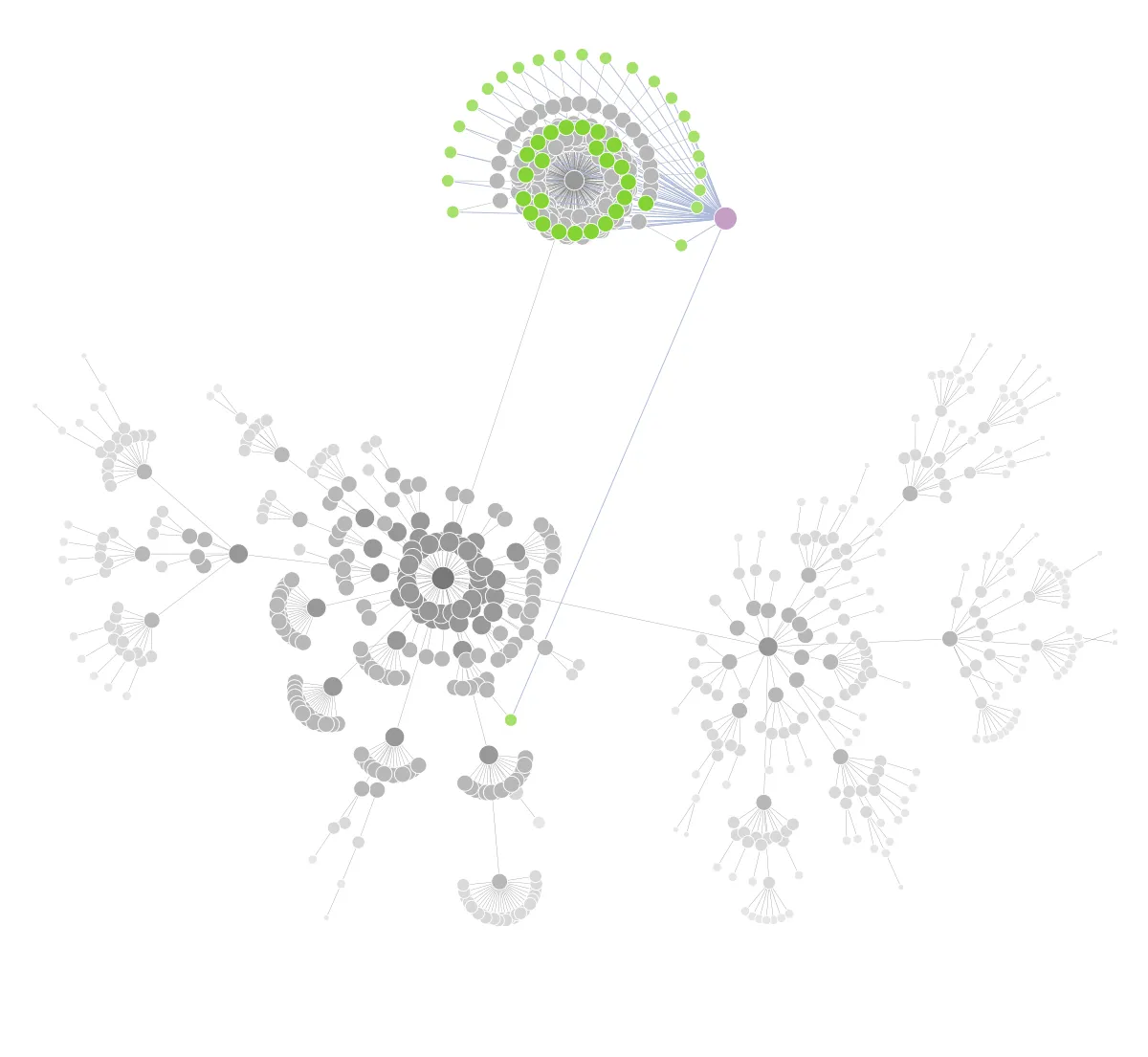
Faceted navigation bloat is the uncontrolled indexation of parameterized URLs generated by collection filters, which dilutes crawl equity and creates duplicate content issues. Shopify creates duplicate URLs when collection filters are applied, leading to thousands of thin, non-canonical pages being crawled and indexed by search engines.
What to Avoid
- Allowing search engines to crawl parameterized URLs containing query strings like "?pf_t_color" or "?filter.p.m".
- Relying solely on canonical tags to handle duplicate filter pages, which Google frequently ignores.
- Using standard Shopify tags to create custom landing pages without proper indexation control.
How to Fix
- Implement custom directives in your
robots.txtfile to disallow crawling of dynamic filter paths. - Deploy server-side or edge-layer redirects to handle legacy tag structures and clean up legacy indexation bloat.
- Partner with a specialized team executing advanced technical SEO and data services to build clean, indexable custom collection landing pages.
Theme Liquid Code and App Speed Auditing in 2026
App installations frequently bloat your theme's Liquid files, leaving render-blocking JavaScript files active even after the app is uninstalled. In 2026, maintaining fast load times is critical as search engines increasingly prioritize real-user experience metrics.
What to Avoid
- Using standard Shopify apps that inject bloated, unminified JavaScript directly into the header of your main templates.
- Ignoring CSS and JavaScript payloads that load globally across pages where they serve no functional purpose.
How to Fix
- Audit your tag managers and consolidate tracking scripts into a single, asynchronously loaded container.
- Execute a comprehensive code cleanup to defer non-critical scripts and optimize Web Vitals.
- Leverage custom Shopify coding services to build native theme features, eliminating the need for heavy, third-party functional apps.
Custom JSON-LD Schema Architecture for Multi-Variant Shopify Products
Shopify’s default schema frequently fails to output structured data for individual product variants, causing price mismatches in Google Merchant Center.
What to Avoid
- Grouping all product variants under a single aggregate offer schema without defining individual SKU prices and availability status.
- Using outdated microdata formats hardcoded into your Liquid files rather than dynamic JSON-LD scripts.
How to Fix
- Rebuild your product template schema to dynamically output nested "Offers" arrays for every active variant.
- Map variant-specific URLs using the
?variant=parameter within the schema to ensure Google links directly to the correct product selection. - Validate your schema using Google's Rich Results Test on both the primary product page and individual variant URLs.
Developer Handoff and QA: Ensuring SEO Recommendations Actually Get Implemented in GitHub
Vague, PDF-based SEO recommendations rarely get implemented because they do not align with modern enterprise development workflows.
What to Avoid
- Accepting generic SEO audits that lack concrete code snippets, CSS selectors, or exact Liquid template locations.
- Allowing agencies to make live code edits directly in the Shopify admin panel without version control.
How to Fix
- Require your agency to deliver implementation specs as detailed tickets with clear acceptance criteria.
- Enforce a development workflow where all SEO code changes are submitted as pull requests in your GitHub repository.
- Utilize certified Shopify Plus development services to thoroughly QA all code changes in a staging environment before deploying to production.
Standard Retainers vs. Enterprise Technical Retainers
To help merchants evaluate their current partnerships, we have mapped the differences between standard agency offerings and a true technical Shopify retainer.
Feature / Deliverable Standard SEO Retainer Enterprise Technical Retainer Primary Focus Keyword optimization & blog content Crawl architecture, Liquid optimization, & schema Crawl Budget Management Basic XML sitemap submission Log file analysis & custom robots.txt routing Workflow Integration PDF reports & email recommendations GitHub pull requests & staging QA environments Performance Tracking Keyword ranking movements Indexation ratios & Core Web Vitals metricsHow Avelize Approaches Enterprise Shopify SEO
Our team approaches technical SEO through a structured, engineering-first methodology designed to protect and grow your organic traffic.
- Technical Discovery & Log File Audit (Weeks 1-2): We map 100% of crawl bottlenecks and identify non-canonical filter URLs consuming your crawl budget.
- The Facet-Lock Protocol Implementation (Weeks 3-4): We deploy custom robots.txt directives and edge-layer routing to secure an indexation ratio above 90%.
- Liquid-Cleanse & Schema Architecture (Month 2): Our developers purge orphaned app code and rebuild your JSON-LD schema to support nested multi-variant offers.
- Continuous GitHub QA & Monitoring (Monthly): We review all theme updates via pull requests to ensure zero technical SEO regression on code deploys.
Frequently Asked Questions
What is the difference between standard SEO and enterprise Shopify SEO services?
The primary difference between standard SEO and enterprise Shopify SEO services lies in platform-specific architectural execution. Standard SEO focuses broadly on keyword research, metadata optimization, and generic content creation. In contrast, enterprise Shopify SEO addresses the unique technical constraints of Shopify Plus, such as resolving duplicate collection URLs generated by faceted navigation, managing crawl budget via custom robots.txt directives, and auditing Liquid template code. High-volume Shopify stores frequently suffer from indexation bloat and orphaned JavaScript from uninstalled apps, which degrades Core Web Vitals. An enterprise retainer resolves these issues by implementing advanced schema markup for multi-variant products and executing code cleanups directly within the merchant's GitHub repository. Rather than delivering static PDF audits, enterprise Shopify SEO services integrate with development workflows to deploy server-side redirects, optimize the GraphQL Storefront API, and maintain a clean indexation ratio above 90% across millions of SKUs.
How long does it take to see results from a technical Shopify SEO retainer?
Initial technical corrections, such as resolving indexation bloat or fixing broken schema, typically yield measurable crawl efficiency improvements within 14 to 30 days. Significant organic traffic and revenue growth generally materialize within 3 to 6 months as search engines re-crawl and re-index the optimized site structure.
Is a technical SEO retainer worth it for Shopify Plus stores?
Yes. For high-volume Shopify Plus stores, technical issues like duplicate collection URLs and app-induced speed lag directly suppress search rankings and conversion rates. A technical retainer protects your organic revenue by ensuring your site architecture remains optimized during continuous theme updates and product catalog changes.
Ready to secure your store's crawl equity and scale organic revenue? Learn more about our specialized Technical SEO & GEO programs or contact our team to audit your Shopify Plus architecture.
Published / Last reviewed: May 24, 2026
Search Intent Refresh Notes
This page has search demand in Google Search Console. Refresh it around the highest-impression query language, add concrete examples, clarify the decision criteria, and link to the most relevant service page or related guide.
Authoritative References
Use these official resources to verify platform-specific claims and implementation details before making commercial or technical decisions.
- Shopify Plus overview
- Google SEO Starter Guide
- Google canonicalization guide
- Google structured data introduction
Related Avelize Services and Guides: Shopify Seo Services · Technical Audits · Generative Engine Optimization