
Programmatic SEO for Shopify Plus: Scale Category Pages
By:
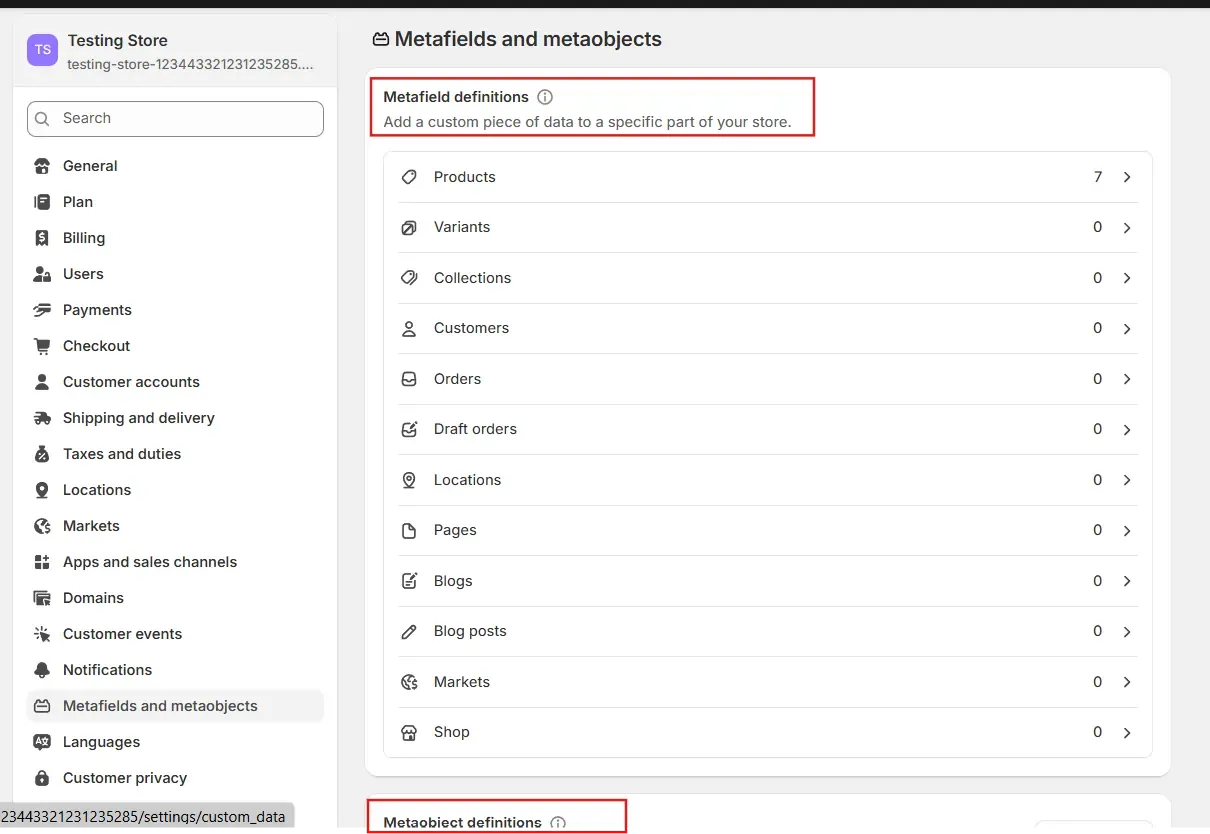
Programmatic SEO For Shopify Plus Scale Category Pages: a practical Shopify Plus guide to the SEO, CRO, and revenue decisions that matter for ecommerce teams.
How do high-volume Shopify Plus merchants capture long-tail search traffic without manually building thousands of collection pages? Programmatic SEO for ecommerce is the automated generation of search-optimized landing pages targeting specific product facets and attributes. By decoupling dynamic filter combinations from Shopify's native, non-indexable query parameters, we programmatically scale indexable landing pages that rank, drive high-intent organic traffic, and maintain a clean crawl budget.
Key Takeaways
- The Metaobject Routing Pattern: Bypass Shopify's 1:1 collection limits by mapping dynamic facet combinations to custom Metaobject definitions.
- Crawl Budget Protection: Implement strict dynamic XML sitemaps and automatic
noindexrules for pages with zero active products. - Sub-200ms Performance: Leverage the GraphQL Storefront API or Hydrogen (headless React) to ensure fast server response times at scale.
- Dynamic Metadata Injection: Automate unique H1s, meta descriptions, and custom body copy using Liquid or headless middleware.
What is Programmatic SEO for Ecommerce?
programmatic SEO for ecommerce is the automated creation of search-optimized category, landing, or filter pages at scale to capture long-tail, high-intent search queries. By dynamically mapping product attributes and facets to indexable URLs, brands can target thousands of niche product variations without manual page creation.

Scaling this setup requires integrating structured product data with automated page generation templates. If you need help structuring your product feeds and crawl budgets, our specialized technical SEO and data services can assist in building this infrastructure.
Native Shopify Collections vs. Programmatic Metaobject Pages
To understand why custom architecture is necessary, consider how native Shopify features compare to programmatic implementations in 2026:
Feature Native Shopify Collections Programmatic Metaobject Pages URL Structure Rigid 1:1 mapping (/collections/name)
Flexible, dynamic mapping (/collections/[attribute]-[type])
Indexability
Query parameters (?filter=x) are canonicalized to root
Fully indexable, unique self-canonicalizing URLs
Metadata Control
Manual entry per collection
Automated, dynamic templates using Liquid/JSON
Scalability Limit
Manual overhead limits growth to ~100 pages
Automated rules scale to 10,000+ targeted landing pages
The Shopify Bottleneck: Why Native Collections Fail at Scale
Shopify's rigid architecture forces a 1:1 relationship between collections and URLs, which prevents automated scaling.
- Manual creation of 1,000+ collections is operationally impossible and creates massive management overhead.
- Dynamic filter URLs using query parameters (e.g.,
?filter.p.m.material=leather) are typically canonicalized to the root category, preventing them from ranking. - Standard Shopify tags create duplicate content issues and dilute page authority across search engines.
- Native collection pages lack the flexibility to dynamically inject unique H1s, meta tags, and custom body copy for specific facet combinations.
Architecture Blueprint: How to Build a Programmatic Funnel
To bypass these limits, you must decouple your indexable landing pages from Shopify's native collection architecture.
Implementing structured Shopify SEO services allows you to use Shopify Metaobjects to dynamically generate unique, indexable URLs for specific facet combinations.
- Metaobject Definitions: Define the schema for your target landing pages (e.g., [Brand] + [Color] + [Material]).
- Dynamic Templates: Build a single custom template that renders content dynamically based on the Metaobject entry.
- Automated Product Querying: Use Liquid or the Storefront API to pull products matching the specific Metaobject attributes.
- Custom Routing: Configure your theme to map clean URLs (e.g.,
/products/[brand]-[color]) directly to your dynamic template.
Checklist: Pre-requisites for Launching Your First 1,000 Pages
Before launching programmatic pages, ensure your store meets these technical requirements to protect your crawl budget.
- Map 100% of your target search terms to existing product metafields (e.g., size, color, material, use case).
- Establish a strict URL taxonomy (e.g.,
/collections/[material]-[product-type]) to ensure clean site architecture. - Configure dynamic XML sitemaps to guarantee search engines can discover and crawl your new programmatic pages.
- Set up automated breadcrumbs that reflect the virtual hierarchy of the generated pages.
- Verify your server response times remain under 200ms to prevent crawl budget waste.
Common Mistakes: Index Bloat and Canonical Pitfalls to Avoid
Poorly configured programmatic setups can trigger search engine penalties and tank your organic traffic.
- Creating Zero-Product Pages: Generating landing pages for facet combinations that currently have 0 active products. We recommend implementing "the zero-product dynamic filter rollback" to automatically return a 404 or
noindexwhen stock is depleted. - Incorrect Canonical Tags: Self-canonicalizing programmatic pages to the parent collection instead of letting them index.
- Internal Link Starvation: Failing to link to programmatic pages from parent collections, leaving them as orphan pages.
- Ignoring Page Speed: Overloading dynamic templates with heavy database queries that degrade performance. If your site slows down under load, consider implementing targeted Shopify speed optimization services.
How Avelize Approaches Programmatic SEO for Shopify Plus
In our work with merchants, we deploy a highly structured, 4-step content engineering process to scale organic footprints safely and sustainably:
- Facet Mapping & Keyword Clustering (Weeks 1-2): We audit your product catalog data hygiene and map high-value search terms to standardized metafields.
- Metaobject Schema & Routing Architecture (Weeks 3-4): Our team builds custom Metaobject schemas and configures dynamic routing to bypass Shopify's native collection limitations.
- Dynamic Template Engineering (Weeks 5-6): We design and code high-performance, sub-200ms templates that dynamically inject optimized H1s, breadcrumbs, and internal links.
- Crawl Budget & Indexation Monitoring (Ongoing): We deploy custom XML sitemaps and monitor Google Search Console to ensure rapid indexing without duplicate content risk.
For brands requiring absolute control over their routing and page generation speed, transitioning to a headless architecture or building custom middleware is the most scalable path. You can leverage our custom Shopify development services to build a high-performance headless frontend that handles millions of dynamic URLs seamlessly.
Frequently Asked Questions
Is programmatic SEO worth it for Shopify Plus?
Yes. For stores with large catalogs and diverse product attributes, programmatic SEO is highly effective. It automates the creation of high-intent landing pages, allowing you to capture long-tail search traffic that standard collection pages miss, all while reducing manual merchandising overhead.
How long does it take to see results from programmatic SEO?
For Shopify Plus merchants, organic traffic and indexation gains from a programmatic SEO campaign typically materialize within 45 to 90 days post-deployment. This timeline depends on Google's crawl frequency, which is heavily influenced by the store's existing Domain Authority and crawl budget efficiency. During the initial 30 days, search engine bots discover the newly generated XML sitemaps and begin indexing the high-priority Metaobject landing pages. By day 60, early long-tail search queries start ranking in positions 11–30, and by day 90, optimized facet pages (such as brand-plus-color combinations) secure page-one rankings. To accelerate this process, our team implements internal linking structures from high-authority parent collections and monitors crawl behavior using Google Search Console. This structured rollout ensures search engines index the programmatic pages without triggering duplicate content flags or wasting crawl budget on low-value URLs. This methodical approach guarantees sustainable organic growth.
What is the difference between dynamic filtering and programmatic landing pages?
Dynamic filtering uses query parameters (like ?color=blue) on an existing collection page to sort products, which search engines typically do not index. Programmatic landing pages, however, generate unique, static, and self-canonicalizing URLs with custom metadata, making them fully indexable and search-optimized.
Ready to scale your organic search footprint without manual overhead? Contact our team today to discuss your catalog architecture and implement a high-performance programmatic strategy.
Published / Last reviewed: February 2026
Search Intent Refresh Notes
This page has search demand in Google Search Console. Refresh it around the highest-impression query language, add concrete examples, clarify the decision criteria, and link to the most relevant service page or related guide.
Authoritative References
Use these official resources to verify platform-specific claims and implementation details before making commercial or technical decisions.
- Shopify Plus overview
- Google SEO Starter Guide
- Google canonicalization guide
- Google structured data introduction
Related Avelize Services and Guides: Services · Ecommerce Web Design Agency