
Shopify Collective Strategy: Maximize Boutique CRO in 2026
By:
Shopify Collective Strategy Maximize Boutique CRO In 2026: a practical Shopify Plus guide to the SEO, CRO, and revenue decisions that matter for ecommerce...
Shopify Collective is a native e-commerce integration that allows boutique brands to sell complementary products sourced directly from other Shopify merchants without holding physical inventory. By syncing real-time inventory and automating order routing, brands can instantly scale catalog depth, increase average order value (AOV), and eliminate the capital risks of traditional wholesale. In our work with merchants, implementing this strategy alongside targeted conversion rate optimization (CRO) drives immediate margin growth.
Key Takeaways
- Target 20% to 40% margins: Negotiate commission rates that cover your customer acquisition costs (CAC) and transaction fees.
- The Collective Safety-Buffer Protocol: Set inventory safety buffers to 5 units to eliminate out-of-stock cart abandonment.
- Consolidated PDP UX: Display clear shipping disclaimers and single-click bundle additions to optimize CRO for small brands.
- Automated Shipping Profiles: Isolate partner shipping rates to prevent split-shipment costs from eroding net margins below 10%.
Setting Up Shopify Collective: Curating the Right Partner Brands for High-Margin Cross-Selling
A successful Shopify Collective strategy is a low-risk e-commerce expansion model where boutique brands sell complementary products from other Shopify merchants. Orders are shipped directly by the partner brand, allowing retailers to scale their catalog, increase average order value, and earn margins without holding physical inventory.

To protect your brand reputation, select partner brands that match your aesthetic and operational standards. Do not partner with brands that have slow fulfillment times or poor customer reviews.
- Target 20% to 40% margins: Negotiate commission rates that cover your customer acquisition costs (CAC) and transaction fees.
- Verify shipping standards: Only partner with brands that guarantee fulfillment within 24 to 48 hours.
- Audit product quality: Always order samples to inspect packaging, delivery times, and the unboxing experience before launching.
- Check alignment: Ensure the partner brand's price point matches your existing customer demographics.
Traditional Dropshipping vs. Shopify Collective
Feature Traditional Dropshipping Shopify Collective Supplier Quality Unverified third-party suppliers, high risk of low-quality goods. Vetted, active Shopify merchants with established brand standards. Inventory Sync Often delayed, requiring third-party middleware APIs. Native, real-time automated synchronization directly within Shopify. Shipping Times Often 7–21 days from international warehouses. Typically 2–5 days domestic shipping from the partner's warehouse. Margin Control Low margins due to high shipping and platform fees. Pre-negotiated 20% to 40% margins with zero upfront inventory cost.Configuring Real-Time Inventory Sync to Eliminate Out-of-Stock Cart Abandonment
Inventory discrepancies destroy customer trust and lead to costly refunds. Real-time synchronization ensures your storefront accurately reflects your partner's warehouse levels.
If you need custom integration logic or API configurations during setup, leveraging professional Shopify development services ensures your real-time data flows without latency.
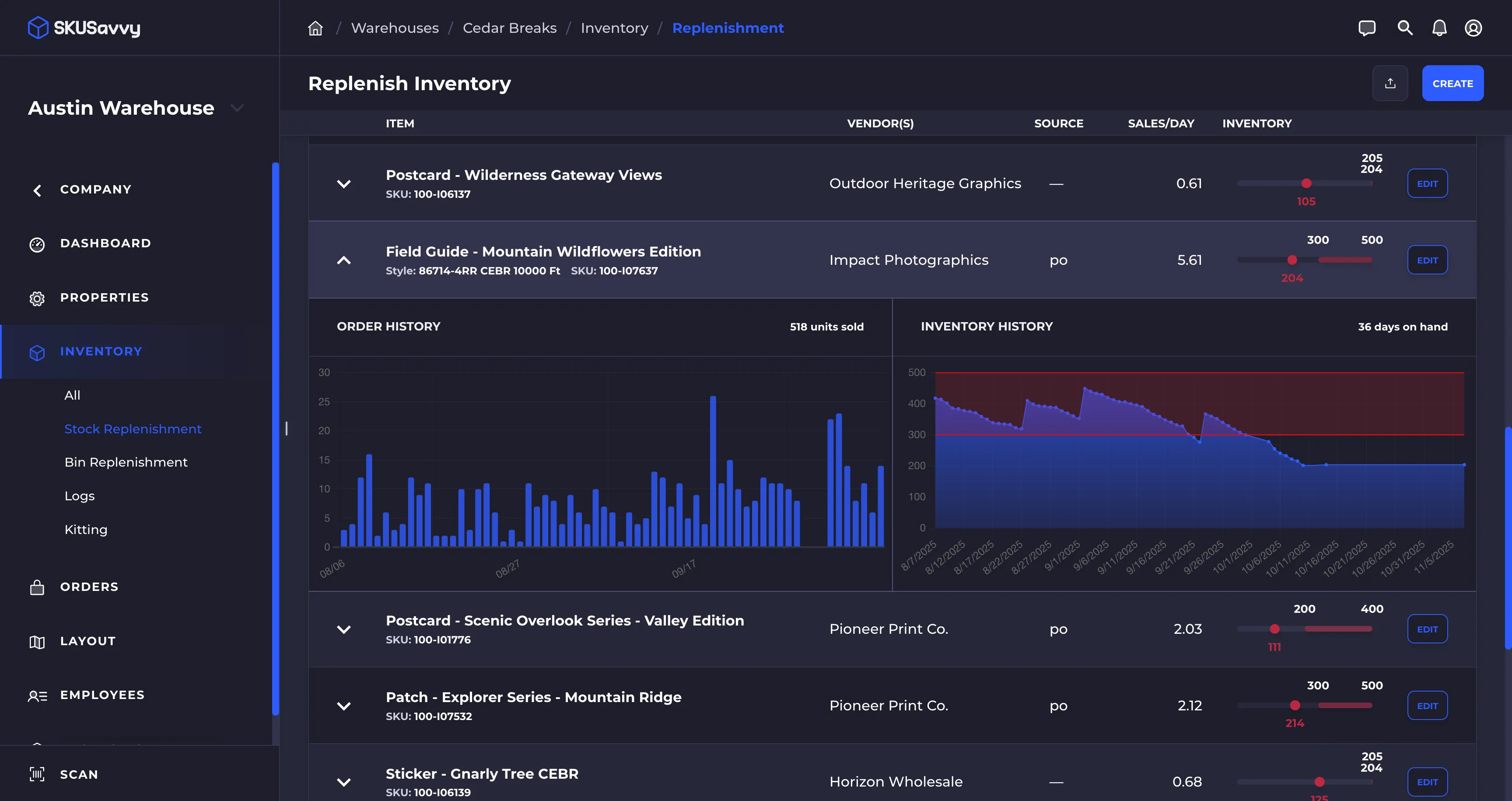
- Enable automatic updates: Turn on real-time inventory syncing within the Shopify Collective channel settings.
- The Collective Safety-Buffer Protocol: Configure rules to mark items out of stock on your store when the supplier's inventory drops below 5 units.
- Automate order routing: Ensure orders containing partner products route immediately to their Shopify admin for fulfillment.
CRO for Small Brands: Optimizing Product Pages for Co-Branded Shopify Collective Offers
To maximize conversions on these co-branded PDPs, implement structured testing through specialized conversion rate optimization (CRO) and UX design services.
Your product detail pages (PDPs) must clearly communicate shipping expectations for multi-brand orders to prevent checkout friction.
- Display clear shipping disclaimers: Add a badge or text line stating: "Ships directly from our partner brand [Brand Name]."
- Highlight bundle discounts: Use dynamic product page blocks to show savings when buying your core product and a partner product together.
- Consolidate add-to-cart buttons: Ensure users can add the partner product directly from your main product page with a single click.
Designing High-Converting Post-Purchase Upsell Flows with Partner Products
Post-purchase upsells are the most efficient way to increase AOV because they do not interfere with the initial checkout flow.
The 10-Minute Impulse Window: Step-by-Step Post-Purchase Implementation Checklist
- Install an upsell app: Use Shopify's native post-purchase checkout extensions or apps like CartHook or ReConvert.
- Select high-margin partner items: Choose partner products priced under $30 to encourage impulse buying.
- Configure the trigger: Set the flow to trigger only when a customer purchases a specific complementary item from your core catalog.
- Apply a one-time discount: Offer a 10% to 15% discount that is only valid on the post-purchase screen.
- Set a 10-minute countdown timer: Create urgency by limiting the offer window.
Automating Commission Splits and Shipping Rates to Protect Your Bottom Line
Mismatched shipping rates and manual payouts can quickly erode your margins. You must automate these processes to maintain profitability at scale.
What to Avoid: Shipping Rate Conflicts
- Do not charge flat-rate shipping without accounting for multi-location fulfillment costs.
- Avoid manual commission calculations, which lead to accounting errors and delayed payments to partners.
- Do not absorb the entire cost of partner shipping rates; this can reduce your net margin to less than 10%.
How to Fix: Implementing Automated Profile Splits
- Configure Shopify Shipping Profiles: Set up distinct shipping profiles for each partner brand to calculate accurate, combined shipping rates at checkout.
- Use automated payouts: Connect your Shopify Collective account to automated payment systems to distribute the cost of goods sold (COGS) to partners instantly upon order fulfillment.
- Set minimum order values: Establish a threshold of $75 or more for free shipping to offset split-shipment costs.
How Avelize Approaches This
Our team engineers high-performance Shopify architectures that scale catalog depth without compromising page speed or conversion rates. We implement custom Shopify Collective integrations, configure real-time inventory buffers, and design high-converting PDP layouts tailored to multi-brand fulfillment. Our standard optimization program runs over a 4-week timeline, targeting a 15% to 25% increase in average order value (AOV) while maintaining strict margin controls.
Ready to scale your boutique catalog with zero inventory risk? Explore our Technical SEO & GEO programs to drive high-intent traffic directly to your optimized partner offers.
Last reviewed: October 2026
Shopify Plus Conversion Review Framework
Conversion work on Shopify Plus should connect user experience, technical performance, merchandising, checkout behavior, and measurement quality. A redesign alone rarely fixes conversion if the page is slow, the offer is unclear, or analytics cannot explain where users hesitate.
- Review PDP clarity, trust signals, product discovery, and mobile usability.
- Audit app and script impact on Core Web Vitals and checkout flow.
- Compare conversion drop-offs by device, traffic source, product type, and landing page.
- Turn findings into a prioritized CRO backlog with measurable hypotheses.
Authoritative References
Use these official resources to verify platform-specific claims and implementation details before making commercial or technical decisions.
- Shopify Plus overview
- Shopify Functions documentation
- Checkout Extensibility documentation
- Google Search Central: Core Web Vitals
Related Avelize Services and Guides: Services · Ecommerce Web Design Agency