
Hiring a Shopify Plus Consultant: Enterprise Growth Guide
By:
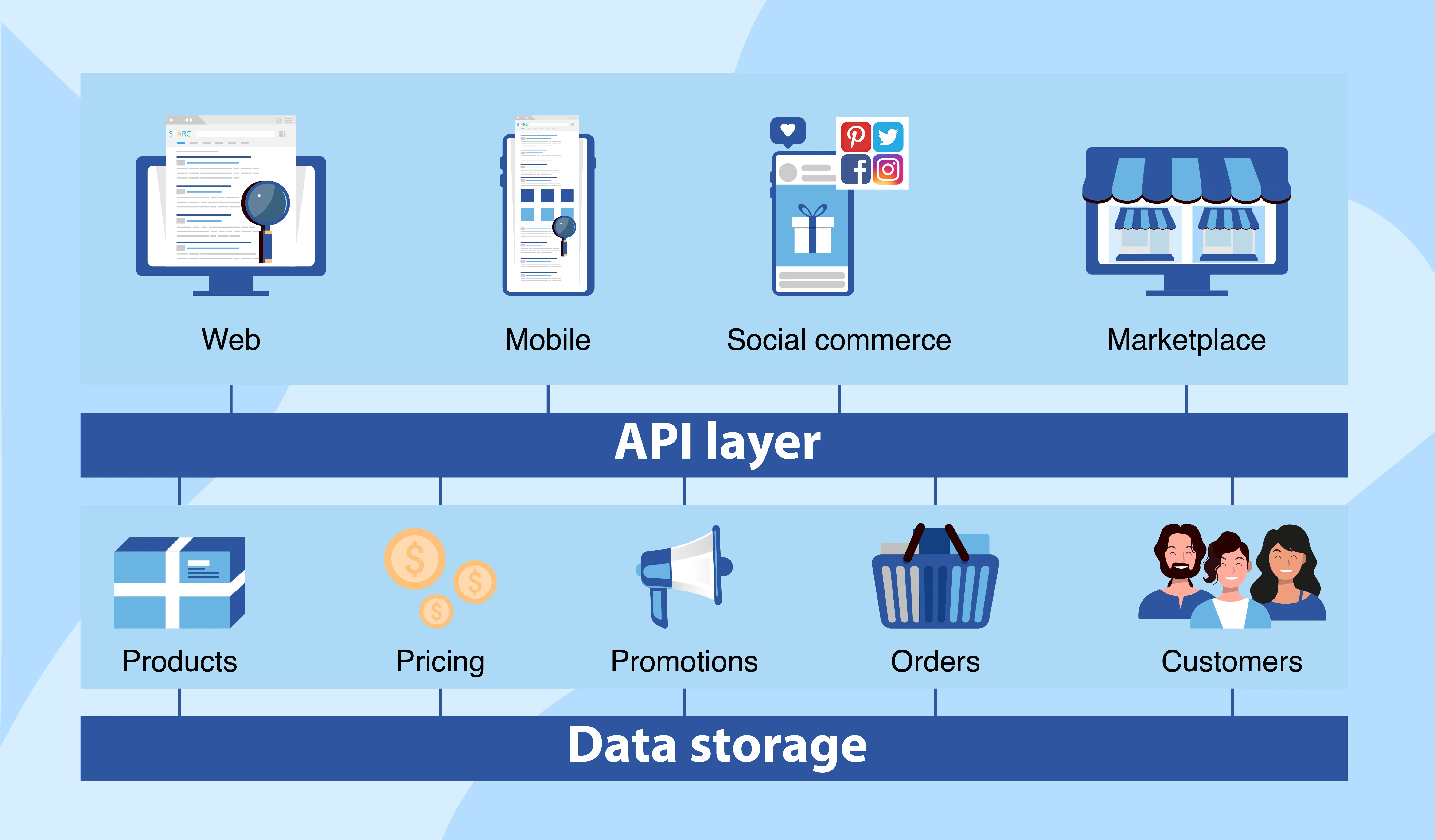
Hiring A Shopify Plus Consultant Enterprise Growth Guide: a practical Shopify Plus guide to the SEO, CRO, and revenue decisions that matter for ecommerce teams.
Hiring a Shopify Plus consultant is the strategic decision to partner with an enterprise-grade systems architect who aligns your technical infrastructure with high-volume growth. For brands generating $10M+ GMV, standard development is no longer sufficient; you require specialized expertise in ERP middleware, custom checkout logic, and international store architecture. At Avelize, we engineer these high-performance systems to ensure your platform scales seamlessly without operational bottlenecks.
Key Takeaways
- Systems Architecture Over Code: A true consultant designs bi-directional ERP pipelines and manages API rate limits, rather than just writing Liquid templates.
- The 2026 Checkout Mandate: Enterprise brands must migrate from deprecated checkout.liquid to Shopify Checkout Extensibility and Shopify Functions to maintain security and customization.
- Performance Benchmark: Maintain a strict under-2.5-second load time using advanced rendering paths and script loading protocols to protect conversion rates.
- The Enterprise Integration Matrix: Utilize structured data flow maps and iPaaS platforms like Celigo or MuleSoft to prevent data silos during high-volume events.
When to Hire a Shopify Plus Consultant vs. a Standard Shopify Developer
A Shopify Plus consultant is an enterprise ecommerce architect who designs, integrates, and optimizes high-volume storefronts doing $10M+ GMV. Unlike standard developers who write basic liquid code, these specialists handle complex ERP middleware, multi-currency internationalization, custom checkout logic, and advanced API integrations to ensure platform stability.

Standard Shopify Developers focus on theme customization, basic app installations, and minor CSS modifications. They work within the constraints of pre-built templates and standard Shopify setups.
An enterprise-grade consultant designs systems architecture, manages API rate limits, and builds custom solutions. You need a consultant when your brand faces these specific challenges:
- Migrating from legacy systems like Magento, Salesforce Commerce Cloud, or SAP Hybris.
- Integrating ERPs like NetSuite, Microsoft Dynamics, or SAP with real-time inventory sync.
- Transitioning from checkout.liquid to custom Shopify Checkout Extensibility.
- Implementing multi-warehouse routing and international expansion using Shopify Markets.
- Building custom middleware or deploying custom Shopify development solutions to bypass native platform limitations.
5 Non-Negotiable Technical Competencies of an Enterprise Ecommerce Expert
Do not hire a consultant based on a portfolio of visually appealing websites. For enterprise operations, technical competency dictates performance, security, and scalability.
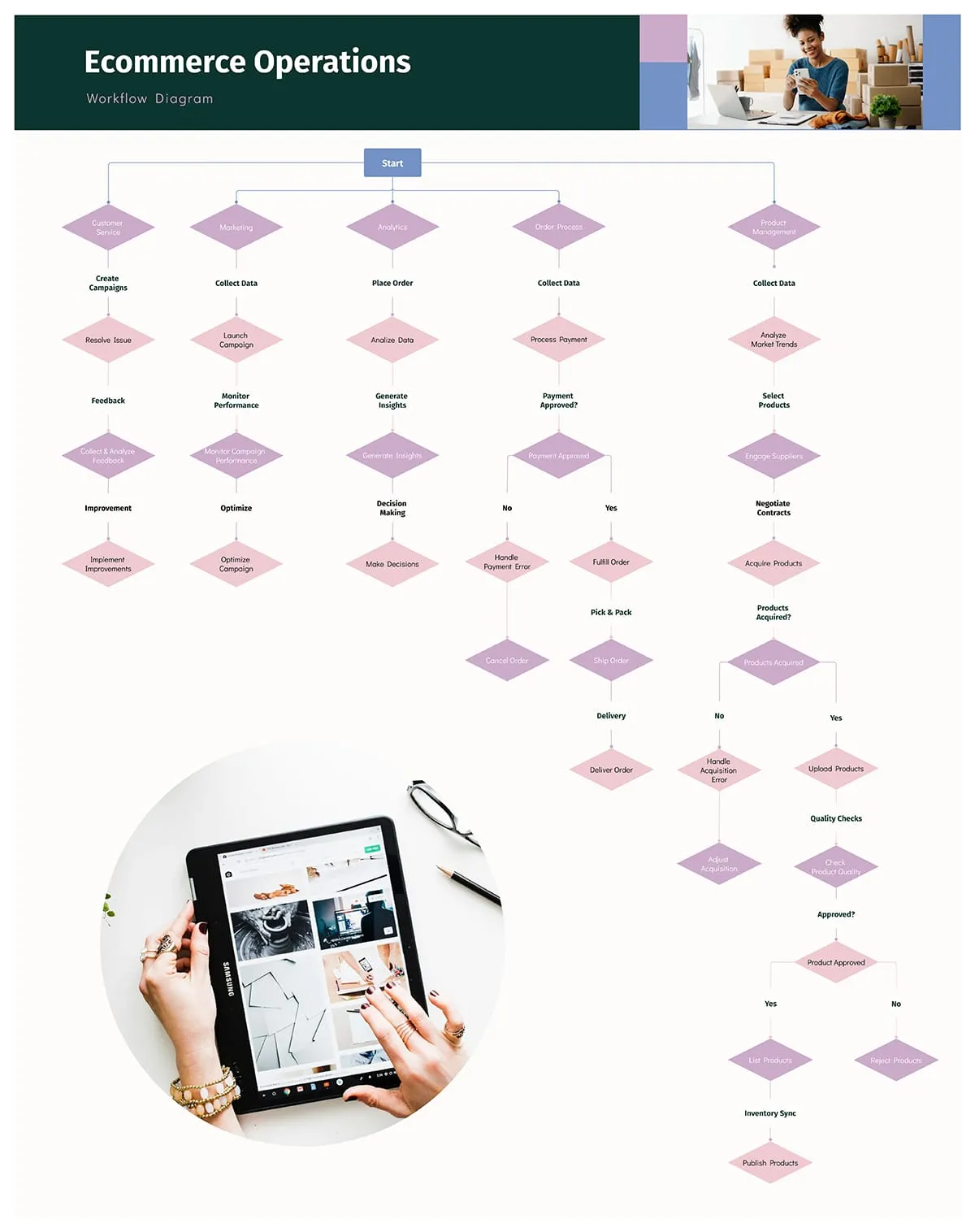
Shopify Checkout Extensibility is the modern, secure framework that replaces checkout.liquid, allowing merchants to customize their checkout using Shopify Functions and custom pixels. Learn more about these standards on the Shopify Help Center.
- Checkout Extensibility & Shopify Functions: The ability to deploy custom checkout logic, discount rules, and payment customizations using Shopify Functions instead of deprecated checkout.liquid files.
- ERP and Middleware Integration: Experience architecting bi-directional data pipelines between Shopify and ERPs, WMSs, and PIMs using custom REST/GraphQL APIs or iPaaS platforms like Celigo or MuleSoft.
- Performance & Speed Engineering: Deep knowledge of rendering paths, critical CSS, and script loading protocols to maintain load times under 2.5 seconds. Implement specialized Shopify speed optimization strategies to protect conversion rates.
- Global Store Architecture: Expertise in structuring expansion stores versus Shopify Markets to handle localized pricing, local domains, regional inventory, and international tax compliance.
- Headless and Custom Storefronts: Proficiency in evaluating whether to use Hydrogen/Oxygen or Next.js architectures versus optimized Liquid themes. Consult with specialists in headless and custom development services to determine the correct build path.
The Shopify Plus Advisor Interview Script: 7 Questions to Ask
Use this numbered checklist during your vetting process to separate high-level strategists from standard implementation agencies. Ask if they utilize the BFCM-30 rollback playbook to mitigate risk during high-traffic events.
- How do you handle real-time inventory synchronization between Shopify Plus and our ERP during a flash sale with 10,000+ orders per hour?
- What is your transition plan for migrating our custom tracking scripts and pixels from checkout.liquid to Shopify Checkout Extensibility?
- Can you walk us through a multi-warehouse, multi-currency setup you architected and how you managed localized pricing and inventory routing?
- How do you prevent API rate limiting issues when connecting third-party PIM, ERP, and CRM systems?
- What is your process for maintaining Core Web Vitals and PageSpeed scores on highly customized product detail pages?
- How do you structure Shopify Markets to avoid duplicate content issues and preserve SEO rankings across international domains? (Read more about specialized Shopify SEO services to understand the technical requirements).
- What testing and staging protocols do you use to deploy updates to a live store doing $10M+ GMV without causing downtime?
Evaluating the Consultant’s Ecommerce Growth Strategy Framework
A qualified consultant does not just write code; they align technical architecture with your business goals. They must present a clear framework that balances operational efficiency with conversion growth.
Common Mistakes in Plus Strategy Evaluation
- Prioritizing aesthetic design changes over site performance and operational efficiency.
- Relying on heavy third-party apps instead of native features or custom microservices, which slows down site speed.
- Overlooking technical SEO requirements during platform migrations or international expansions, leading to massive traffic drops.
How to Fix: The Implementation Framework
- Step 1: Tech Stack Audit: Map out every app, integration, and API connection to identify bottlenecks and redundant costs.
- Step 2: Data Flow Mapping: Create a clear data flow diagram mapping how customer, order, and inventory data moves between Shopify, your ERP, and your WMS.
- Step 3: Conversion Optimization: Align development tasks with conversion-focused design and UX to ensure technical updates directly support revenue growth.
SOW and Pricing Models: How to Structure a Shopify Plus Consulting Engagement
Enterprise consulting engagements require clear boundaries to prevent scope creep and budget overruns. Avoid open-ended hourly contracts that do not tie compensation to performance or milestones. When structuring your engagement, consider how Shopify Plus pricing in 2026 impacts your overall TCO (Total Cost of Ownership).
- Project-Based Pricing: Best for migrations, major re-platforms, or specific ERP integrations. Typically ranges from $30,000 to $150,000+ depending on integration complexity.
- Monthly Retainer: Best for continuous optimization, conversion audits, and feature rollouts. Typically ranges from $5,000 to $15,000/month for dedicated architectural support.
- SOW Requirements: Ensure every Statement of Work includes clear SLA response times (e.g., under 2 hours for critical bugs), detailed API documentation deliverables, and defined QA testing phases.
How Avelize Approaches This
Our team at Avelize approaches enterprise consulting through a structured, three-phase engineering program designed to eliminate technical debt and maximize conversion efficiency.
- Phase 1: Technical & Architecture Audit (Weeks 1-2): We map your entire data flow, app stack, and API usage to identify bottlenecks. Cost: Included in onboarding. KPI: Complete systems map.
- Phase 2: Core Optimization & Integration (Weeks 3-8): We deploy custom Shopify Functions, migrate to Checkout Extensibility, and optimize ERP pipelines. Cost: Project-based or retainer. KPI: Under 2.5-second page load times.
- Phase 3: Continuous Growth Retainer (Ongoing): We run bi-weekly CRO sprints and technical SEO monitoring. Cost: $5,000 - $15,000/month. KPI: 15%+ increase in checkout conversion rate.
Ready to scale your enterprise storefront without operational friction? Explore our Shopify Plus development services or contact our team to design your technical roadmap.
Published / Last reviewed: October 2026
Search Intent Refresh Notes
This page has search demand in Google Search Console. Refresh it around the highest-impression query language, add concrete examples, clarify the decision criteria, and link to the most relevant service page or related guide.
Authoritative References
Use these official resources to verify platform-specific claims and implementation details before making commercial or technical decisions.
Related Avelize Services and Guides: Plus Customization · Ecommerce Web Design Agency · Shopify Seo Services