
Shopify Plus Multi-Store: Centralized Global Operations
By:
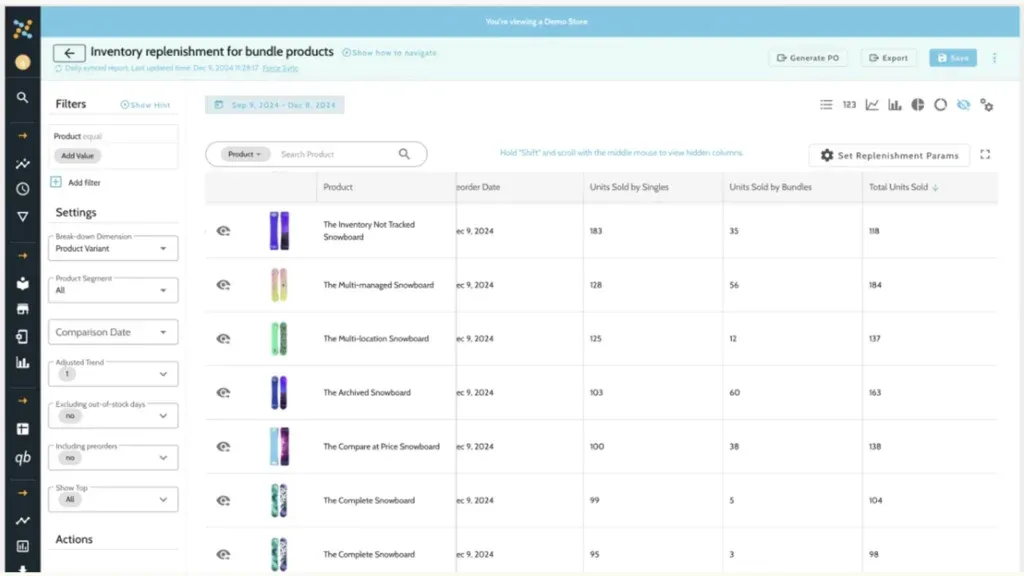
Stop losing revenue to overselling. Centralize your global inventory and scale shopify plus multi-store operations with our proven architecture.
To scale a global enterprise, managing localized storefronts requires a robust, automated architecture. A shopify plus multi-store setup allows brands to isolate regional currencies, languages, and domains while centralizing backend operations, inventory pools, and product catalogs. By implementing a centralized integration layer, we eliminate data fragmentation, prevent regional overselling, and streamline global ecommerce operations across all expansion stores.
Key Takeaways
- The 5-Minute Sync Protocol: Establish a single source of truth (SSOT) using webhook-based API triggers to keep inventory latency under five minutes.
- Buffer Stock Rule: Configure a safety threshold of 5% to 10% for high-velocity SKUs to prevent overselling during peak traffic.
- Fixed Regional Pricing: Avoid automated currency conversions; upload fixed regional price lists to maintain stable local margins.
- Enterprise Middleware: Bypass native tools for an ERP (like NetSuite) once transaction volume exceeds 10,000 orders per month.
How to Structure Shopify Plus Expansion Stores for Global Ecommerce
A shopify plus multi-store architecture is an enterprise framework that structures localized international expansion storefronts under a single Shopify Plus contract, allowing brands to isolate regional currencies, languages, and domains while centralizing backend operations. In 2026, managing global ecommerce requires a clear division between localized frontends and unified backend systems.
To scale globally, operators must choose between a single-store setup with Shopify Markets or a dedicated multi-store architecture. For complex operations, the multi-store approach offers superior control over regional business entities.
Feature Shopify Markets (Single Store) Dedicated Multi-Store (Expansion) Inventory Isolation Shared inventory pool across markets Dedicated regional physical inventory pools Legal Entities Single business entity Multiple regional business entities Catalog Customization Limited to currency/translation rules Completely unique regional product catalogs SEO Control Subfolders or subdomains on one domain Independent regional domains or subfoldersIn our work with merchants migrating to headless setups using Hydrogen or Next.js, we ensure the GraphQL Storefront API is optimized to query localized catalogs efficiently. For highly customized multi-store setups requiring unique localized frontend experiences, utilizing custom Shopify development services ensures seamless integration with your core enterprise tech stack.
Centralizing Inventory Management Across Multiple Shopify Storefronts to Prevent Overselling
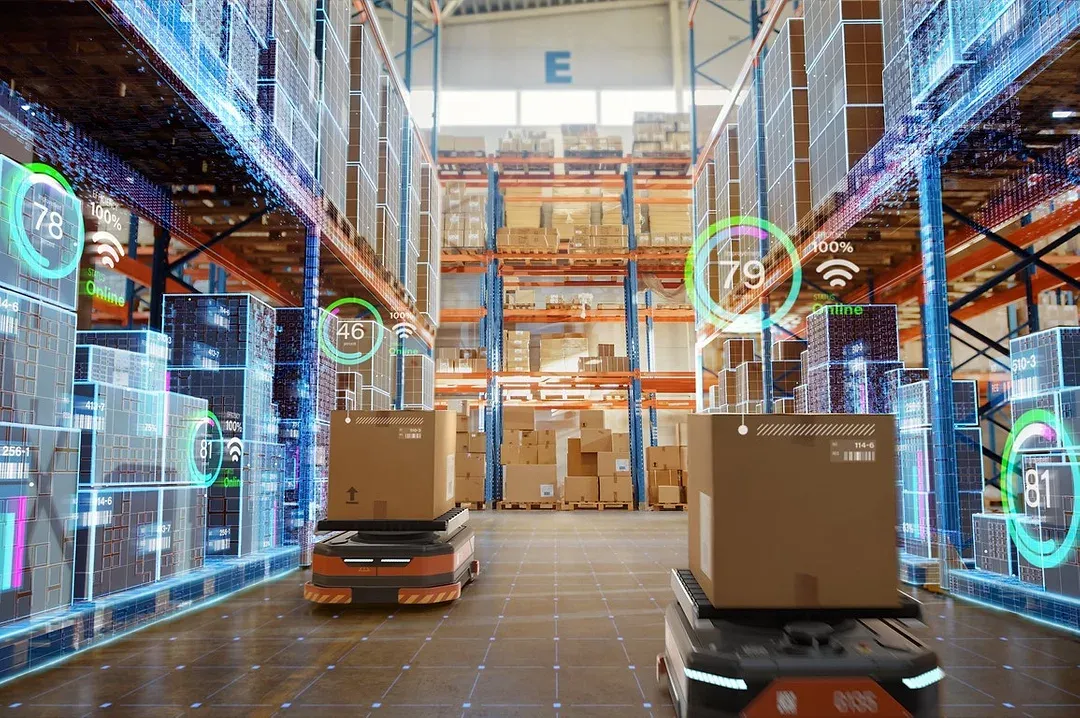
Overselling occurs when localized storefronts operate on delayed sync intervals, causing high-demand inventory to be sold simultaneously across multiple regions. Eliminating this requires a strict inventory synchronization protocol.
How to Implement Real-Time Inventory Sync
- Establish a single source of truth (SSOT) by routing all regional inventory data through an ERP or IMS rather than Shopify's native admin.
- Set API sync intervals to under 5 minutes using webhook-based triggers to push stock updates instantly to all storefronts. For detailed API limits, refer to the Shopify Admin API Rate Limits.
- Configure buffer stock rules within your IMS, setting a safety threshold of 5% to 10% of total stock for high-velocity SKUs.
- Set the default Shopify inventory policy to "deny" checkout automatically when physical warehouse stock reaches absolute zero.
Automating Order Routing and Fulfillment for Centralized Operations
Fulfilling orders across regional boundaries requires intelligent routing logic to minimize transit times, customs duties, and split-shipment fees. Centralizing customer data into Klaviyo and financial reporting into Triple Whale ensures your marketing and attribution remain unified across all regional storefronts.
- Geographic Routing: Automatically assign incoming orders to the nearest regional fulfillment center or 3PL hub using automated routing rules.
- Split-Shipment Logic: Define strict rules for multi-item orders when stock is distributed across different physical warehouses to prevent margin erosion.
- Customs Automation: Integrate your OMS directly with cross-border shipping engines to generate localized commercial invoices and customs documentation dynamically.
What to Avoid in Order Routing
- Manual CSV Exports: Avoid daily manual exports of order data to regional 3PLs, which introduces latency and human error.
- Static Warehouse Assignment: Avoid hardcoding order routes, which prevents automatic redirection when a primary regional warehouse runs out of stock.
- Ignoring Tax Engines: Avoid relying on native calculations for complex international sales tax; integrate localized engines like Avalara or Vertex across all storefronts.
Managing Localized Pricing and Product Catalogs Without Manual Duplication
Directly managing product catalogs across 3+ localized storefronts without automation leads to data discrepancies, broken links, and immense operational overhead.
- Centralized PIM: Deploy a Product Information Management system (like Akeneo or Salsify) to push localized copy, localized metafields, and regional media to specific storefronts.
- Fixed Regional Pricing: Avoid automated currency conversions that fluctuate daily; upload fixed regional price lists to maintain stable local margins.
- Localized SEO Optimization: Ensure your localized catalogs are indexable and structured correctly; implementing professional technical SEO & GEO programs preserves domain authority across regional storefronts.
Evaluating Middleware: When to Use Shopify's Native Tools vs. ERP/OMS Integrations
Choosing the correct integration layer determines your operational scalability. Native tools are cost-effective but fail under high transaction volume and complex warehouse configurations.
Middleware Decision Checklist
- Transaction Volume: If your brand processes >10,000 orders per month, bypass native tools for an Enterprise ERP (e.g., NetSuite or Microsoft Dynamics 365).
- Warehouse Complexity: Use a dedicated OMS (e.g., Fluent Commerce) if you manage 3+ regional 3PLs with complex split-shipment and store-fulfillment logic.
- Data Latency: Opt for middleware utilizing event-driven webhooks rather than scheduled hourly batch API calls to ensure real-time data consistency.
How Avelize Approaches Multi-Store Architecture
Our team designs and deploys centralized multi-store architectures using a phased, risk-mitigated methodology tailored for high-growth enterprise merchants.
- Discovery & Architecture Mapping (Weeks 1-2): We audit your existing ERP, IMS, and regional warehouse capabilities to design the data flow schema. KPI: Zero-data-loss architecture blueprint.
- Middleware Integration & Sync Configuration (Weeks 3-6): We build and configure custom middleware or ERP connectors (e.g., NetSuite, Celigo) to establish the 5-minute sync protocol. KPI: Inventory sync latency under 300 seconds.
- Storefront Localization & SEO Setup (Weeks 7-9): We configure expansion stores, map regional domains, and implement hreflang tags to preserve search equity. KPI: 100% correct regional routing.
- User Acceptance Testing & Launch (Weeks 10-12): We run end-to-end transaction tests, simulated flash sales, and warehouse routing overrides before going live. KPI: Zero order routing errors at launch.
Typical enterprise multi-store deployments range from $45,000 to $120,000 depending on ERP complexity and the number of regional warehouses integrated.
Frequently Asked Questions
Is a shopify plus multi-store setup worth it for global ecommerce?
Yes, a dedicated multi-store setup is highly beneficial for brands generating over $10M GMV that manage localized physical inventory pools, distinct regional legal entities, or completely unique regional product catalogs. It provides complete operational control and prevents overselling across international markets.
How long does it take to implement a centralized ERP integration with Shopify Plus?
A typical enterprise integration involving a centralized ERP (like NetSuite) and multiple Shopify Plus expansion stores takes between 10 to 12 weeks. This timeline includes discovery, custom middleware configuration, inventory sync testing, and comprehensive user acceptance testing.
What is the difference between Shopify Markets and Shopify Plus expansion stores?
Shopify Markets is a localized cross-border tool built into a single Shopify admin, allowing merchants to sell globally using shared inventory, automatic currency conversion, and translated content. In contrast, a shopify plus multi-store architecture utilizes independent Shopify expansion stores under one contract. This multi-store approach is essential for enterprise brands requiring isolated physical inventory pools, distinct regional legal entities, unique localized product catalogs, and independent checkout experiences. While Shopify Markets is cost-effective and simple to configure, it fails to support complex operations like regional 3PL routing, localized tax compliance engines (e.g., Avalara), and independent regional marketing strategies. For brands processing over $10M GMV with localized warehouses, a dedicated multi-store architecture integrated with a centralized ERP or Order Management System (OMS) is the industry standard to prevent overselling, maintain operational control, and protect regional profit margins.
If your brand is scaling globally and needs to centralize operations across multiple storefronts, contact our team to discuss our custom Shopify development services.
Published / Last reviewed: October 2026
Related Avelize Services and Guides: Plus Customization · Ecommerce Web Design Agency