
Shopify Programmatic SEO: Scale Long-Tail Search Revenue
By:
Shopify Programmatic SEO Scale Long-Tail Search Revenue: a practical Shopify Plus guide to the SEO, CRO, and revenue decisions that matter for ecommerce teams.
Programmatic SEO for ecommerce is the automated generation of thousands of unique, search-optimized collection and landing pages by mapping structured SKU data attributes directly to long-tail transactional search queries. By leveraging custom dynamic Liquid templates, Matrixify data pipelines, and strict indexation rules on Shopify, stores with 1,000+ SKUs can systematically capture high-intent search traffic without triggering duplicate content penalties or slowing down server response times.
Key Takeaways
- Map multi-attribute search patterns directly to custom Shopify Metafield namespaces (
pseo.*) using Matrixify batch imports of 500 to 1,000 SKUs. - Eliminate thin content flags by conditionally rendering custom metadata, dynamic H1s, usage blocks, and FAQPage structured data via Liquid templates.
- Protect crawl budget by automatically injecting
noindex, followdirectives on programmatic collections dropping below 3 available SKUs. - Deploy custom edge worker sitemaps updated every 24 hours to guarantee crawler discovery across deep URL structures.
Mapping High-Intent Long-Tail Search Patterns to SKU Data Attributes
To capture high-intent transactional queries, our team maps search query structures directly to product data points stored in your ERP, PIM, or Shopify backend. Native Shopify taxonomy limits often prevent large catalogs from automatically generating indexable landing pages for multi-attribute searches.

- Pattern 1: [Gender/Demographic] + [Color] + [Material] + [Product Category] (e.g., "Men's Black Leather Jackets")
- Pattern 2: [Feature] + [Use Case] + [Product Category] (e.g., "Waterproof Trail Running Shoes")
- Pattern 3: [Compatibility/Specification] + [Color] + [Accessory Type] (e.g., "iPhone 15 Pro Max Clear Case")
We extract existing SKU attributes and cross-reference them against Google Search Console search queries. In our engineering work, we validate that target attribute combinations hold verified search demand before generating programmatic collections.
To bridge native platform constraints with custom programmatic engines, explore our dedicated Shopify SEO services.
Designing Shopify Metafield Schemas and Matrixify Data Pipelines
Shopify's native tags and vendor fields are insufficient for high-scale programmatic SEO in 2026. Developers must construct structured Metafield namespaces to hold exact search parameters for page building.
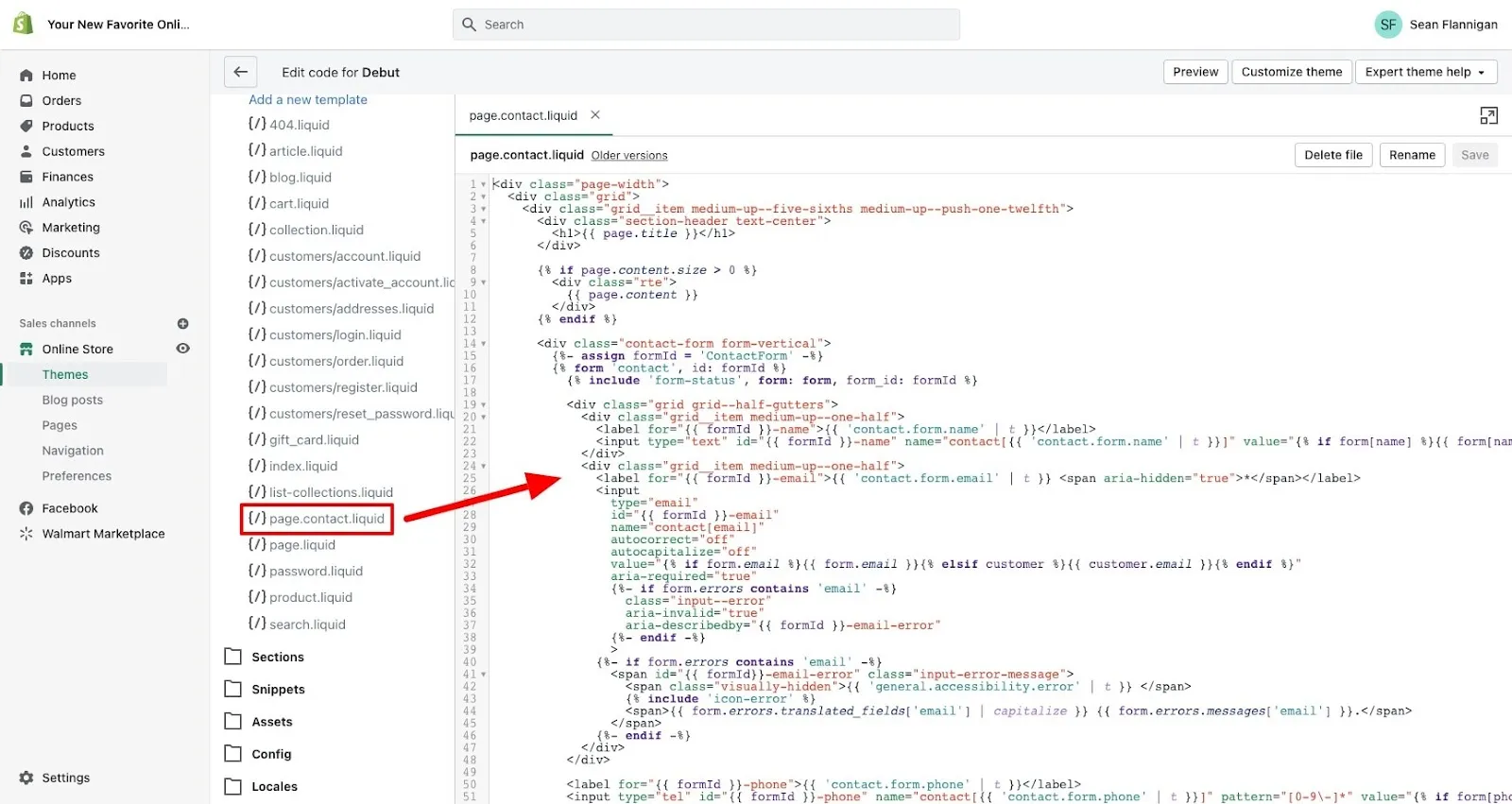
- Namespace: Define a single custom namespace:
pseo - Keys: Create single-line text keys:
pseo.primary_material,pseo.target_gender,pseo.primary_color,pseo.use_case - Type: Use Single Line Text or List of Single Line Text for precise query filtering
Step-by-Step Data Pipeline Process
- Export full catalog data using Matrixify, targeting product handles and variant specifications.
- Normalize raw attribute data in Python scripts to match target search terminology (e.g., convert "Midnight Black" to "Black").
- Map normalized values to Matrixify Metafield import columns:
Metafield: pseo.primary_material [string]. - Run imports in batches of 500 to 1,000 SKUs to avoid Shopify API throttling and ensure real-time log validation.
For enterprise stores requiring direct API syncs, our Shopify Plus development services automate PIM-to-Shopify Metafield integrations seamlessly.
Building Dynamic Custom Liquid Templates to Eliminate Thin Content
Search engines penalize programmatic builds that publish near-identical page structures. Custom Liquid templates must dynamically alter page metadata, headers, content blocks, and product grids based on active Metafield values.
- Dynamic H1 and Titles: Populate Page H1s automatically using Metafield dynamic tags:
{{ collection.metafields.pseo.primary_color }} {{ collection.metafields.pseo.primary_material }} {{ collection.title }}. - Conditional Copy Blocks: Use Liquid conditional tags (
{% if collection.metafields.pseo.use_case %}) to render custom usage guides unique to that attribute combination. - Dynamic FAQ Schema: Render dynamic
FAQPagestructured data generated from attributes, such as sizing advice or material care specifications. - Strict Variant Filtering: Build Liquid queries that display products matching 100% of defined collection parameters to eliminate irrelevant inventory listings.
Heavy custom Liquid logic must be built efficiently. Combining dynamic rendering with our Shopify speed optimization services guarantees sub-second server response times across all programmatic pages.
Configuring Canonical Tags, Indexation Rules, and URL Rewrites at Scale
Managing indexation and canonical integrity is vital when generating thousands of automated URL variations across an ecommerce storefront.
Indexation Directives and Canonical Rules
- Enforce Clean Canonical Tags: Update
theme.liquidlayout files to explicitly render canonical links pointing to the clean target URL:<link rel="canonical" href="{{ canonical_url }}" />. - Automate Noindex Directives: Insert logic in page heads to render
<meta name="robots" content="noindex, follow">automatically when a collection grid drops below 3 available SKUs. - Standardize URL Slugs: Order attributes alphabetically within data pipelines (e.g., always
[color]-[material]-[category]) to keep URL structures uniform.
To implement clean, custom URL paths outside default platform routing, our team applies custom coding for Shopify via app proxies or edge routing.
Automating Internal Linking and Custom XML Sitemap Injection
Programmatic pages fail to rank if search engine crawlers cannot discover them through site architecture and XML sitemaps.
- Dynamic Contextual Breadcrumbs: Build hierarchy links traversing from Home > Main Category > Sub-Category > Programmatic Attribute Page.
- Cross-Linked Attribute Modules: Add dynamic "Related Attributes" modules on collection pages linking to adjacent long-tail URLs (e.g., linking "Black Leather Jackets" to "Brown Leather Jackets").
- Custom XML Sitemap Generation: Platform default sitemaps often exclude dynamic custom landing pages. We deploy Cloudflare Workers or dedicated app scripts to generate custom sub-sitemaps (e.g.,
sitemap_pseo_1.xml) updated every 24 hours.
Our comprehensive SEO & Data services ensure internal link graphs distribute PageRank efficiently to deep long-tail assets.
How Avelize Approaches Shopify Programmatic SEO Engine Architecture
We execute programmatic SEO deployments as a structured 6-week engineering engagement designed for enterprise ecommerce stores:
- Week 1: Audit & Data Schema Design — We analyze existing Search Console query logs, define target SKU attribute combinations, and create the custom Metafield architecture.
- Week 2-3: Data Pipeline & Normalization — Our team scripts automated data extraction pipelines using Matrixify and custom middleware to standardize SKU metadata.
- Week 4: Dynamic Liquid & Template Development — We build optimized Liquid collection templates with dynamic H1s, conditional content blocks, and automated JSON-LD schema.
- Week 5: Indexation Rules & Edge Sitemap Setup — Developers implement automated noindex rules for low-stock collections and configure Cloudflare Worker XML sitemaps.
- Week 6: QA, Launch, & Revenue Tracking — We validate canonical integrity, submit custom sitemaps to Google Search Console, and set up GA4 custom dimension revenue attribution.
Frequently Asked Questions
Is programmatic SEO safe for Shopify stores without risking Google penalties?
Yes, programmatic SEO is completely safe for Shopify stores when implemented using structured entity attribute mapping and strict indexation safeguards rather than auto-generated thin text. Search engine penalties target low-quality, programmatic pages that offer identical product grids or thin, repetitive text across multiple URLs. To safely deploy programmatic SEO on Shopify in 2026, engineers must enforce minimum inventory thresholds—automatically applying noindex directives to any dynamic page with fewer than 3 available SKUs. Furthermore, dynamic Liquid templates must conditionally render distinct metadata, custom usage guides, dynamic H1 elements, and FAQPage structured data based on specific SKU Metafield attributes (pseo.primary_material, pseo.use_case). By combining strict indexation rules with unique attribute-driven content and consolidated canonical tags, Shopify merchants can build thousands of programmatic landing pages that provide distinct user value, bypass duplicate content filters, and safely scale long-tail organic revenue.
How long does it take to see results from an ecommerce programmatic SEO setup?
Most Shopify stores observe initial indexation of programmatic landing pages within 14 to 21 days following custom XML sitemap injection. Revenue attribution and ranking stabilization typically occur within 60 to 90 days as search crawlers evaluate user engagement and inventory availability across deep long-tail URLs.
What is the difference between faceted navigation and true programmatic SEO on Shopify?
Faceted navigation relies on URL query parameters (e.g., ?filter.v.option.color=Black) which create duplicate content issues and crawl budget bloat if indexed. True programmatic SEO builds clean, canonicalized landing pages with dedicated URL handles, optimized dynamic Liquid layouts, and tailored structured data for targeted keyword patterns.
Can Shopify Plus handle custom routing for programmatic SEO pages?
Yes. While standard Shopify structures collections under strict path rules, Shopify Plus allows developers to utilize custom app proxies or Cloudflare Workers at the edge to route clean, custom URL structures directly into dynamic Liquid templates without modifying standard collection limits.
Ready to unlock high-intent organic revenue across your enterprise catalog? Contact our team today to explore our specialized Shopify SEO services.
Published / Last reviewed: February 2026 by the Avelize Engineering Team.
Search Intent Refresh Notes
This page has search demand in Google Search Console. Refresh it around the highest-impression query language, add concrete examples, clarify the decision criteria, and link to the most relevant service page or related guide.
Authoritative References
Use these official resources to verify platform-specific claims and implementation details before making commercial or technical decisions.
- Shopify Plus overview
- Google SEO Starter Guide
- Google canonicalization guide
- Google structured data introduction
Related Avelize Services and Guides: Services · Ecommerce Web Design Agency