
Enterprise Shopify Plus SEO: Scale Multi-Store Revenue
By:
Stop losing global traffic. Resolve hreflang conflicts and scale organic revenue with our enterprise Shopify Plus SEO services.
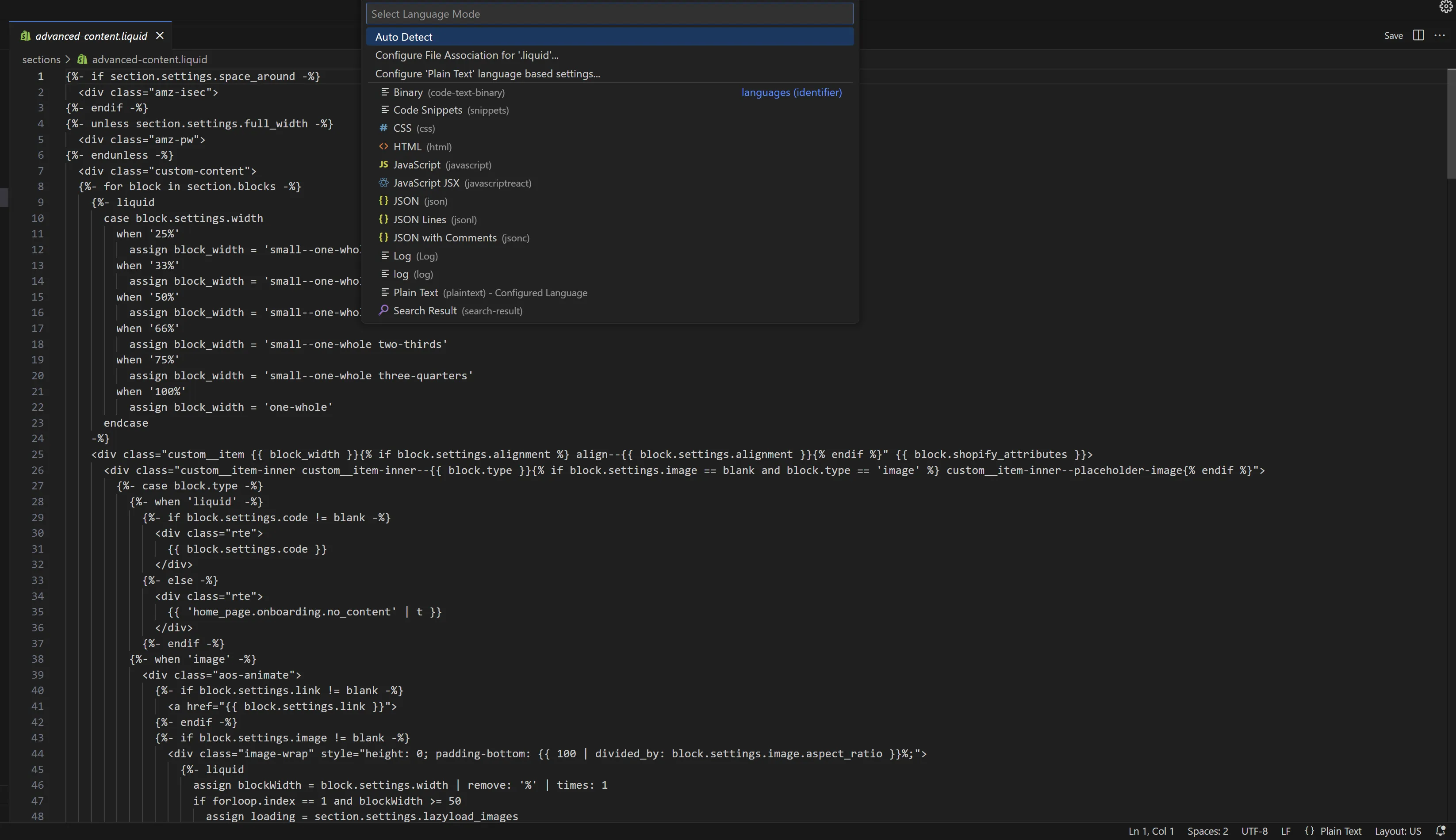
Scaling organic revenue across multi-store Shopify Plus architectures requires resolving complex international hreflang conflicts, optimizing Liquid code loops to improve Core Web Vitals, and automating programmatic internal linking. In our work with merchants, we address these infrastructure bottlenecks directly to prevent duplicate content and maximize global search visibility. By implementing structured data updates and server-side tagging, enterprise brands can secure sustainable organic growth across localized regional domains.
Key Takeaways
- The Hreflang-30 Mapping Protocol: Map cross-store product handles exactly across expansion stores to eliminate canonicalization conflicts.
- Liquid Loop Optimization: Consolidate nested
{% for %}loops on collection pages to reduce Time to First Byte (TTFB) by up to 40%. - Automated 301 Redirects: Use Shopify's Redirect API to programmatically map discontinued products to the closest parent collection, preserving 100% of backlink equity.
- Server-Side Tagging: Transition client-side marketing scripts to Google Tag Manager server-side containers to improve Core Web Vitals performance.
Resolving Multi-Store Hreflang and International Canonicalization Conflicts
Shopify Plus SEO services deliver enterprise-level technical optimization, international architecture configuration, and performance engineering designed to scale multi-store organic search visibility, resolve cross-border canonicalization conflicts, and maximize global revenue for high-volume e-commerce brands operating across localized regional domains. International canonicalization is the technical practice of specifying the authoritative regional version of a URL to search engines across localized domains.

What to Avoid
- Self-referential canonical tags on localized expansion stores pointing back to the primary domestic store.
- Using automated translation apps that generate dynamic, unindexable localized URLs.
- Hardcoding hreflang tags in the main layout file across multi-store expansions without region-specific mapping.
How to Fix
- Implement custom middleware or headless architecture via specialized Shopify Plus development services to dynamically inject localized hreflang tags based on real-time store routing.
- Map cross-store product handles exactly across expansion stores to ensure hreflang tags point to identical counterparts.
- Configure absolute canonical links using custom Liquid code to dynamically reference the specific regional domain:
{{ canonical_url }}instead of hardcoded strings. Refer to the official Google internationalization guidelines for mapping rules.
Multi-Store Subfolders vs. Separate Expansion Domains
Architecture Metric Subfolders (Single Store) Separate Expansion Domains SEO Authority Consolidation Maximum (All regional paths share root domain authority) Split (Each domain must build independent backlink profiles) Hreflang Complexity Low (Handled natively by Shopify Markets) High (Requires cross-store handle mapping and custom middleware) Localization Flexibility Moderate (Shared inventory, catalog, and theme limits) Maximum (Independent themes, pricing, and localized apps)Auditing and Optimizing Shopify Plus Liquid Code and App Payload for Core Web Vitals
Excessive app scripts and unoptimized Liquid code loops directly degrade site speed, leading to lower conversion rates and reduced organic rankings. In 2026, maintaining a fast storefront is critical as search engines prioritize real-user interaction metrics.
What to Avoid
- Leaving ghost code from uninstalled Shopify apps inside
theme.liquidand layout snippets. - Using render-blocking third-party scripts without
deferorasyncattributes. - Relying on excessive Liquid loops (
{% for %}) on collection pages, which increases Time to First Byte (TTFB).
How to Fix
- Perform a rigorous audit of the theme script payload using Shopify development services to consolidate JavaScript execution.
- Transition third-party marketing tags to Google Tag Manager utilizing server-side tagging to reduce client-side execution overhead.
- Implement lazy loading for images and utilize the
srcsetattribute in Liquid to serve next-gen formats sized dynamically for the user's viewport, in line with Web.dev Core Web Vitals standards.
Scaling Enterprise Collection Page Architecture and Automated Internal Linking
Managing thousands of collection pages requires programmatic internal linking systems to distribute PageRank efficiently without manual oversight.
What to Avoid
- Allowing Shopify's default faceted filtering to generate thousands of indexable duplicate URLs.
- Isolating high-margin products deep in the site architecture with zero contextual internal links.
- Failing to canonicalize parameterized collection pages back to the clean collection URL.
How to Fix
- Configure Metafields and custom Liquid blocks to programmatically inject localized internal link modules on high-priority collection pages.
- Use
robots.txtcustomization ornoindextags to prevent search crawlers from indexing low-value faceted filter combinations. - Partner with an agency that provides specialized Shopify SEO services to map search intent directly to automated collection hierarchies.
Managing Out-of-Stock, Discontinued, and Seasonal Product Redirects at Scale
Large-scale product turnover creates broken links, 404 errors, and lost search equity if redirect strategies are not automated.
What to Avoid
- Leaving permanently discontinued products as 404 errors, leaking valuable backlink equity.
- Using temporary 302 redirects for permanently removed products instead of permanent 301 redirects.
- Deleting out-of-stock products completely instead of maintaining the URL with structured data updates.
How to Fix
- For temporarily out-of-stock items: Keep the page live, update the Schema structured data to
OutOfStock, and offer an email capture for back-in-stock notifications. - For permanently discontinued products: Implement a 301 redirect to the closest parent collection page or direct product replacement.
- Automate redirect mapping at scale using Shopify's redirect API or custom scripts to prevent manual database management bloat.
Enterprise Shopify Plus SEO Agency Vetting Framework: Questions, Deliverables, and SLA Expectations
Selecting an enterprise-level partner requires validating technical capabilities rather than accepting generic marketing pitches. Use this checklist to vet potential agencies.
- Technical Capability Audit: Does the agency have dedicated developers who understand Liquid, headless architecture, and API-driven data integration? Validate this by asking about their custom Shopify development capabilities.
- International SEO Experience: Can they demonstrate a proven track record of managing multi-currency, multi-language hreflang structures across separate Shopify Plus expansion stores?
- Data and Analytics Rigor: Do they provide custom server-side tracking setups and advanced data attribution models via specialized SEO & data services?
- SLA and Communication Standards: Do they commit to clear Service Level Agreements (SLAs) including response times for critical technical issues, monthly performance reviews, and direct developer access?
- Reporting Transparency: Do they report on actual revenue growth, organic conversion rates, and Core Web Vitals performance rather than vanity keyword rankings?
How Avelize Approaches Enterprise Shopify Plus SEO
We execute our enterprise SEO programs through a structured, three-phase technical sprint:
- Technical & Architecture Audit (Weeks 1-3): We analyze your Liquid codebase, database redirect tables, and multi-store hreflang mapping. KPI: Complete mapping of all indexation conflicts.
- Code & Performance Optimization (Weeks 4-8): Our developers refactor nested Liquid loops, implement server-side tagging, and clean legacy app payloads. KPI: Core Web Vitals passing (LCP < 2.5s).
- Programmatic SEO & Automation (Ongoing): We build custom middleware to automate redirects and programmatic internal linking modules. KPI: 20% average increase in organic search visibility within 90 days.
Our enterprise programs typically range from $8,000 to $15,000 per month depending on catalog size and multi-store complexity. Learn more about our Technical SEO & GEO programs.
Frequently Asked Questions
How do you manage hreflang tags across multiple Shopify Plus expansion stores?
To manage hreflang tags across multiple Shopify Plus expansion stores, we implement a dynamic mapping system rather than relying on static theme layouts. Hreflang mapping is the process of cross-referencing identical product, collection, and page URLs across localized regional domains to ensure search engines serve the correct language version to users. In our work with merchants, we use custom Liquid code or middleware to dynamically query the Shopify GraphQL Storefront API, matching product handles exactly across stores. If a product handle differs, the system falls back to the primary domestic store URL or a localized parent collection. This automated architecture prevents self-referential canonical conflicts, eliminates duplicate content penalties, and ensures that regional search engines index the correct localized domain. By avoiding automated translation apps that generate dynamic, unindexable URLs, we maintain clean, indexable paths that preserve search equity and maximize global organic revenue.
What is the difference between a 301 and a 302 redirect on Shopify Plus?
A 301 redirect is a permanent redirect that passes approximately 90-99% of ranking equity (PageRank) to the redirect target. A 302 redirect is temporary and does not pass ranking equity. For permanently discontinued products, always use 301 redirects to preserve search engine authority.
How does server-side tagging improve Shopify Plus site speed?
Server-side tagging moves third-party tracking scripts (like Facebook Pixel or Google Analytics) from the user's browser to a secure cloud server. This reduces the client-side JavaScript execution payload, directly improving Core Web Vitals metrics such as Interaction to Next Paint (INP) and Largest Contentful Paint (LCP).
Partner with Avelize to scale your global organic revenue and eliminate technical infrastructure bottlenecks. Contact our team today to discuss our Technical SEO & GEO programs.
Published / Last reviewed: February 2026
Related Shopify and Ecommerce Growth Guides
Continue with these related guides for implementation, SEO, performance, and conversion context.
- Programmatic SEO for Ecommerce: Scale Catalog Traffic
- Shopify Markets Local SEO: Enterprise Subfolder Strategy
- Magento to Shopify Plus: Why Enterprise Brands Hire Experts
- Shopify Local SEO: Multi-Store Schema & Location Pages
Related Avelize Services and Guides: Services · Ecommerce Web Design Agency