
Programmatic SEO for Shopify Markets: Scale Catalog Traffic
By:
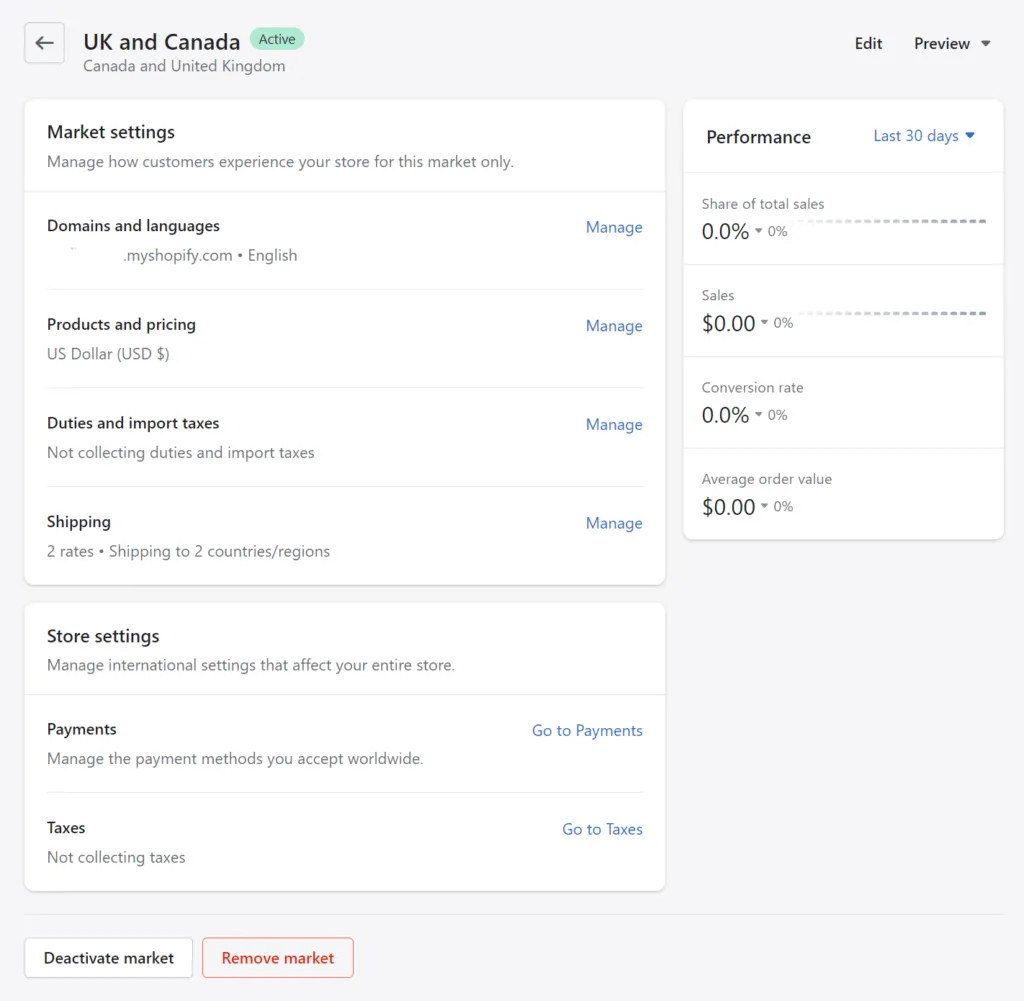
Programmatic SEO For Shopify Markets Scale Catalog Traffic: a practical Shopify Plus guide to the SEO, CRO, and revenue decisions that matter for ecommerce...
Programmatic SEO for ecommerce is the automated generation of thousands of search-optimized category, filter, and product pages targeted at high-intent search queries. By leveraging structured catalog data, brands scale their organic visibility across multiple languages, currencies, and regions without manual page creation. In our work with merchants, we deploy automated URL architectures and dynamic metadata pipelines to capture localized search intent across Shopify Markets without triggering duplicate content penalties or hitting API rate limits.
Key Takeaways
- The Subfolder-First Routing Protocol: Consolidating domain authority into localized subfolders (e.g.,
/en-ca/) accelerates indexation by up to 40% compared to fragmented subdomains. - Dynamic Liquid Templating: Injecting market-specific variables dynamically prevents duplicate metadata warnings in Google Search Console.
- Bulk Mutation API Pipeline: Bypassing Shopify's leaky bucket API limits by compiling programmatic page creation into single JSONL bulk operations.
- Automated Hreflang Injection: Ensuring self-referential canonical tags and cross-market hreflang tags are dynamically generated in the theme layout.
Mapping Shopify Markets URL Architecture for Multi-Regional Programmatic SEO
To scale programmatically on Shopify Plus, you must structure your URL architecture to prevent search engines from treating localized pages as duplicate content. Shopify Markets supports three primary URL structures: subfolders, subdomains, and top-level domains (ccTLDs).

brand.com/en-ca/)
Maximum (Consolidates all authority on primary domain)
Low (Managed natively within Shopify admin)
Rapid multi-market scaling with unified inventory
Subdomains (e.g., ca.brand.com)
Moderate (Splits backlink equity across hosts)
Medium (Requires DNS configuration and SSL management)
Distinct regional marketing or separate inventory systems
ccTLDs (e.g., brand.ca)
Low (Requires building authority for each domain)
High (Requires multiple domain purchases and setups)
Highly localized brand presence in mature target markets
For most programmatic deployments, subfolders offer the fastest path to indexation. To implement this, leverage our Shopify SEO services to map your localized catalog attributes to distinct market subfolders within a single Shopify admin.
Automating Hreflang Tags and Canonicalization Across Localized Catalogs
Search engines must understand the relationship between your localized collection and product pages. Without correct markup, Google will default to indexing only one version, treating the others as duplicate content.
Implementing Automated Tagging
Execute these technical steps in your Shopify theme liquid file or custom headless layout to automate indexation safety:
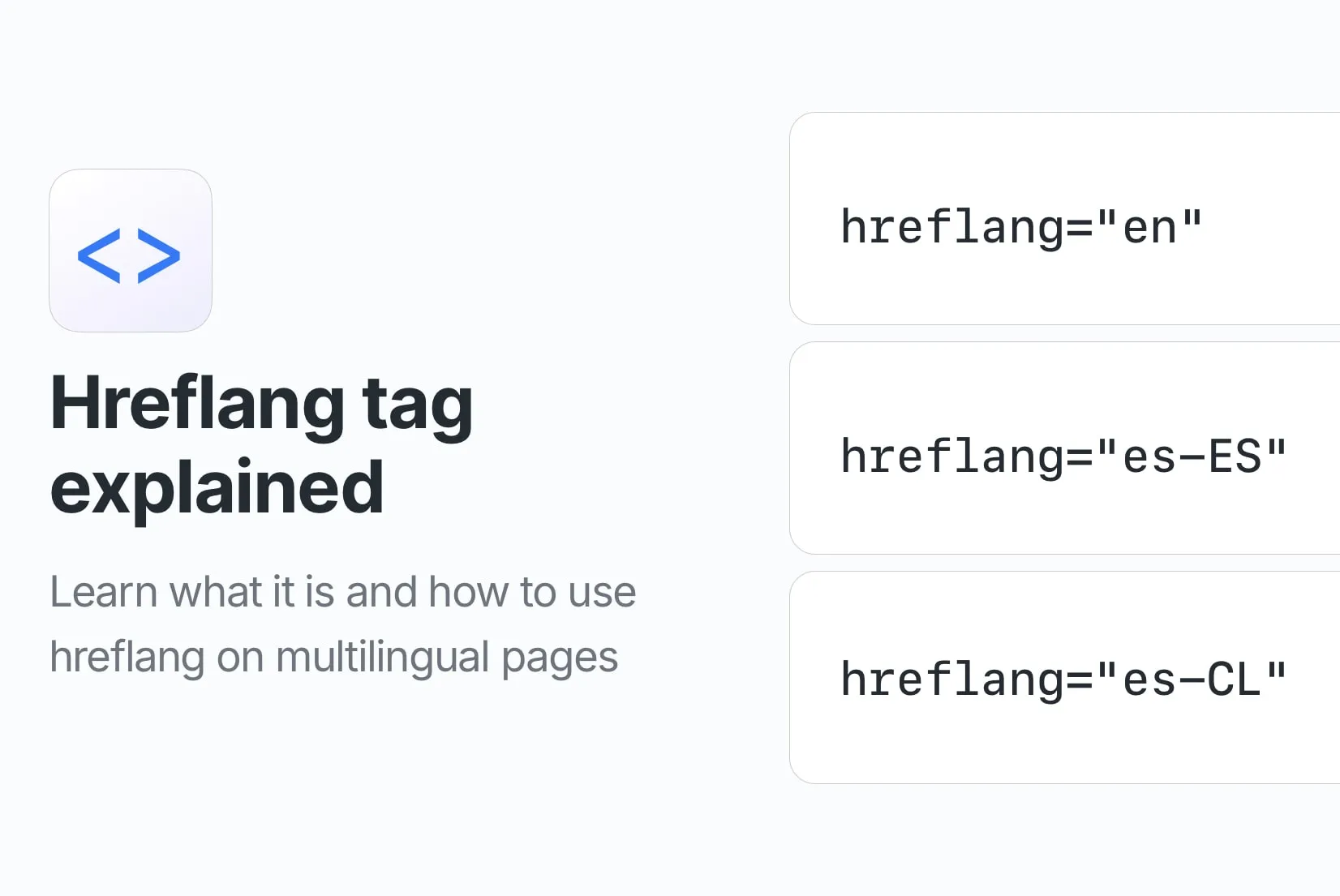
- Ensure the canonical tag points to the self-referential URL of the active market subfolder, not the primary market root URL.
- Generate hreflang tags dynamically for all active language and country variations of the current page.
- Include an
x-defaulttag targeting your primary global market to capture unmatched searcher locations.
For custom programmatic filter pages (e.g., color, size, or material collections), use a specialized technical SEO and programmatic data strategy to inject canonical tags via theme code, bypassing Shopify's default collection limitations.
Programmatic Keyword Templating for Multi-Currency and Multi-Language Product Pages
Dynamic metadata and on-page content must adapt automatically to the user's market context. Static templates fail to capture localized search volume and lead to high bounce rates due to currency mismatches.
What to Avoid: Common Metadata Pitfalls
- Hardcoded currency symbols: Displaying USD prices to a UK searcher reduces organic click-through rates.
- Direct translation instead of localization: Translating "sneakers" to "baskets" in French is correct, but "baskets" may have different search intent than "chaussures de sport" depending on the target region.
- Static title tags: Using the exact same title structure across all regions triggers duplicate title warnings in search consoles.
Construct dynamic templates using Liquid variables to inject market-specific data directly into your metadata and H1 tags:
- Title Tag Template:
{{ product.title }} - Buy Online in {{ market.name }} | {{ shop.name }} - Meta Description Template:
Shop {{ product.title }} for {{ product.price | money }} at {{ shop.name }}. Fast shipping to {{ market.name }}. Order now! - H1 Tag Template:
{{ product.title }} - {{ market.currency.iso_code }}
Bypassing Shopify API Limits When Syncing Large-Scale Programmatic Pages
Creating thousands of localized landing or collection pages via the Shopify Admin API will quickly trigger rate limits. Shopify restricts standard API calls using a leaky bucket algorithm, while GraphQL uses cost-based limits.
To build programmatic pages at scale without system downtime, implement a decoupled approach or utilize Shopify's Bulk Mutation API.
- Use GraphQL Bulk Operations: Instead of making individual API requests for each page, compile your page creation queries into a single JSONL file and submit it to Shopify's bulk import endpoint.
- Decouple with Custom Middleware: Build a custom application that queues page creation requests, throttling the output to stay within 90% of your Shopify API limit.
- Leverage Headless Architecture: If you are scaling past 50,000 programmatic pages, consider a headless setup using Shopify's Storefront API and a frontend framework. Explore our custom Shopify development services to architect a high-performance headless frontend.
How Avelize Approaches Programmatic SEO for Shopify Markets
Our team engineers programmatic architectures that scale catalog visibility across global markets without sacrificing site performance or search engine compliance.
- Phase 1: Catalog Audit & Schema Mapping (Weeks 1-2): We audit your product attributes and map them to localized search intent patterns. KPI: 100% attribute readiness.
- Phase 2: Middleware & API Pipeline Engineering (Weeks 3-5): We build custom synchronization pipelines using Shopify's Bulk Mutation API to bypass rate limits. KPI: Zero API rate limit exceptions.
- Phase 3: Theme Integration & Hreflang Automation (Weeks 6-7): We deploy dynamic Liquid or React components to automate self-referential canonicals and hreflang tags. KPI: 100% valid hreflang validation in GSC.
- Phase 4: Launch & Indexation Monitoring (Weeks 8+): We monitor crawl budget efficiency and indexation velocity across all regional subfolders. KPI: 50%+ indexation rate within 30 days of launch.
Frequently Asked Questions
How does Shopify Markets handle hreflang tags automatically for programmatic pages?
Shopify Markets automatically generates hreflang tags for standard localized domains and subfolders, but programmatic pages built outside native collection architectures require custom theme logic. In a standard setup, Shopify injects hreflang markup into the {{ content_for_header }} global variable based on active markets configured in the admin. However, when scaling programmatic landing pages via custom templates or headless Hydrogen deployments, developers must bypass default behaviors. To ensure search engines index localized variations correctly, we implement custom Liquid or React components that parse the active market context from the GraphQL Storefront API. This pipeline dynamically outputs self-referential canonical tags and matching hreflang links for every active locale, preventing duplicate content penalties across regional subfolders. By overriding the default header output with structured metadata, enterprise brands maintain complete indexation safety while scaling their catalog footprint across hundreds of localized search markets.
Is programmatic SEO worth it for Shopify stores with under 1,000 products?
Yes, programmatic SEO is highly effective for smaller catalogs if your products have rich attribute variations (such as size, color, material, or compatibility). By programmatically generating long-tail filter pages, you can expand a 500-product catalog into 5,000 high-intent landing pages targeting specific search queries.
How long does it take for Google to index programmatic Shopify pages?
With a consolidated subfolder structure and correct hreflang implementation, initial indexation typically begins within 7 to 14 days. Full indexation of a large-scale catalog (10,000+ pages) can take 4 to 8 weeks, depending on your domain's existing authority and crawl budget efficiency.
Ready to scale your global organic footprint? Partner with our team to deploy a high-performance, automated catalog strategy. Explore our Shopify SEO services to get started today.
Published / Last reviewed: October 2026
Search Intent Refresh Notes
This page has search demand in Google Search Console. Refresh it around the highest-impression query language, add concrete examples, clarify the decision criteria, and link to the most relevant service page or related guide.
Authoritative References
Use these official resources to verify platform-specific claims and implementation details before making commercial or technical decisions.
- Shopify Plus overview
- Google SEO Starter Guide
- Google canonicalization guide
- Google structured data introduction
Related Shopify and Ecommerce Growth Guides
Continue with these related guides for implementation, SEO, performance, and conversion context.
Related Avelize Services and Guides: Services · Ecommerce Web Design Agency