
Shopify Plus Optimization Services: Scale Storefront Speed
By:
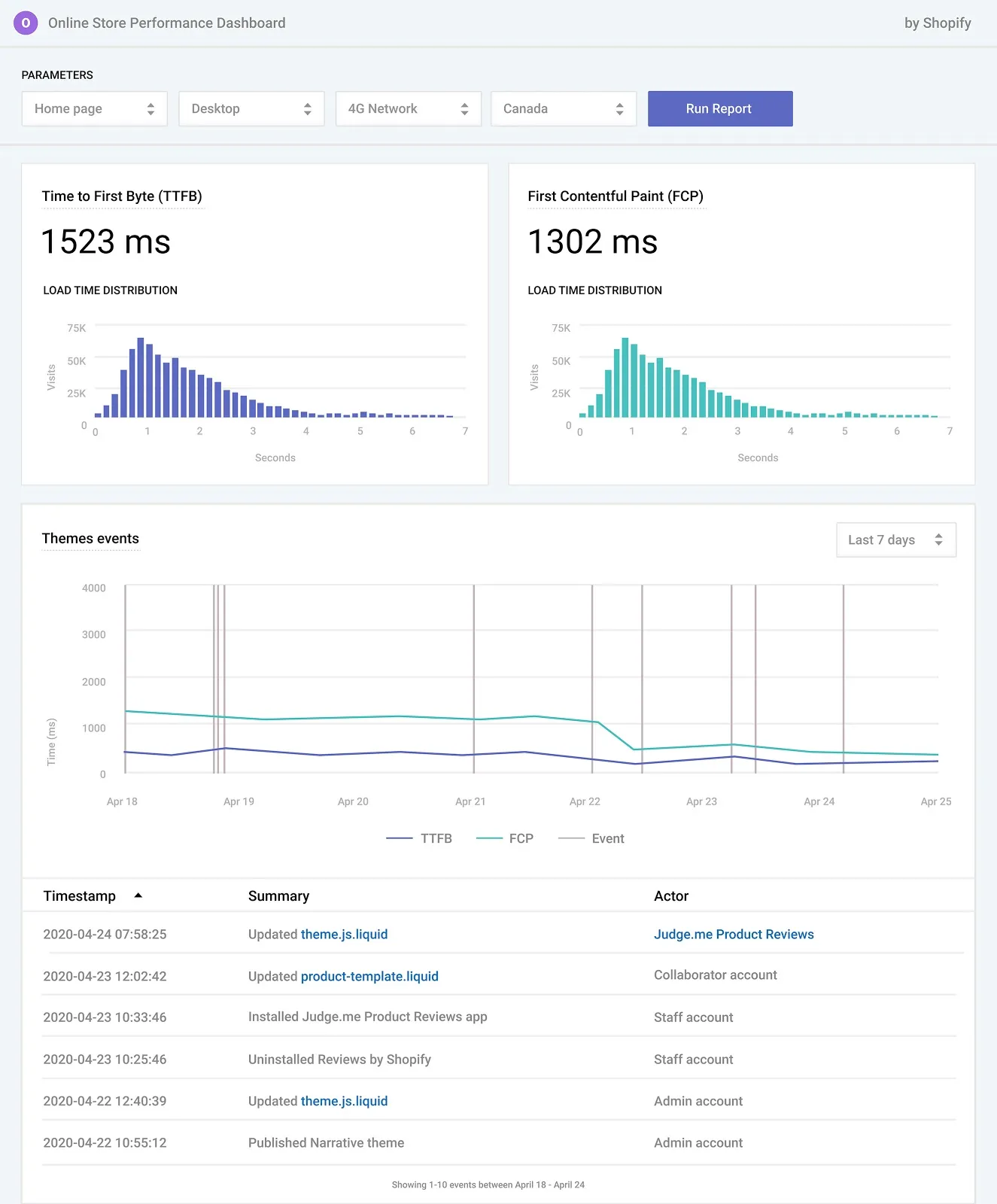
Shopify Plus Optimization Services Scale Storefront Speed: a practical Shopify Plus guide to the SEO, CRO, and revenue decisions that matter for ecommerce...
Shopify Plus optimization services are technical engineering solutions designed to audit, refactor, and accelerate enterprise storefronts. By eliminating performance bottlenecks—such as redundant third-party apps, legacy Liquid code, and unoptimized checkout configurations—our team helps high-volume merchants maximize conversion rates, reduce bounce rates, and improve search engine visibility across all devices.
Key Takeaways
- The Liquid-30 Refactoring Protocol: Refactoring legacy Liquid loops can reduce Time to First Byte (TTFB) by up to 40%.
- Checkout Extensibility Migration: Moving from checkout.liquid to Shopify UI Extensions is mandatory for maintaining security and speed.
- App Bloat Elimination: Removing orphaned JavaScript snippets and loading non-critical scripts asynchronously improves Time to Interactive (TTI).
- Core Web Vitals Target: Enterprise brands must target a Largest Contentful Paint (LCP) of sub-2.5 seconds under peak BFCM load.
Auditing Shopify Plus Theme Performance: Pinpointing App Bloat and Render-Blocking Scripts
Enterprise themes often suffer from script accumulation as marketing teams add tracking pixels and features over time. These unmanaged scripts block the main thread, delaying the First Contentful Paint (FCP) and Time to Interactive (TTI). Whether you are running a monolithic Liquid theme or a headless React storefront built on Hydrogen, managing how third-party scripts execute is paramount.

To resolve this, our engineering team runs deep audits using Chrome DevTools Protocol and Shopify's Theme Inspector. Integrating third-party marketing tools like Klaviyo and Triple Whale without degrading Core Web Vitals requires a strict script-loading hierarchy.
- Identify and remove unused apps that leave orphaned JavaScript snippets in your theme files.
- Deconstruct your tag manager setup to load non-critical scripts asynchronously.
- Leverage professional development practices to refactor render-blocking assets.
To ensure your storefront's underlying code is clean and performant, explore our Shopify Plus development services.
Legacy checkout.liquid vs. Checkout Extensibility
Migrating to Checkout Extensibility is a critical step in modernizing your checkout funnel. Below is a comparison of the legacy architecture versus the modern extensibility framework.
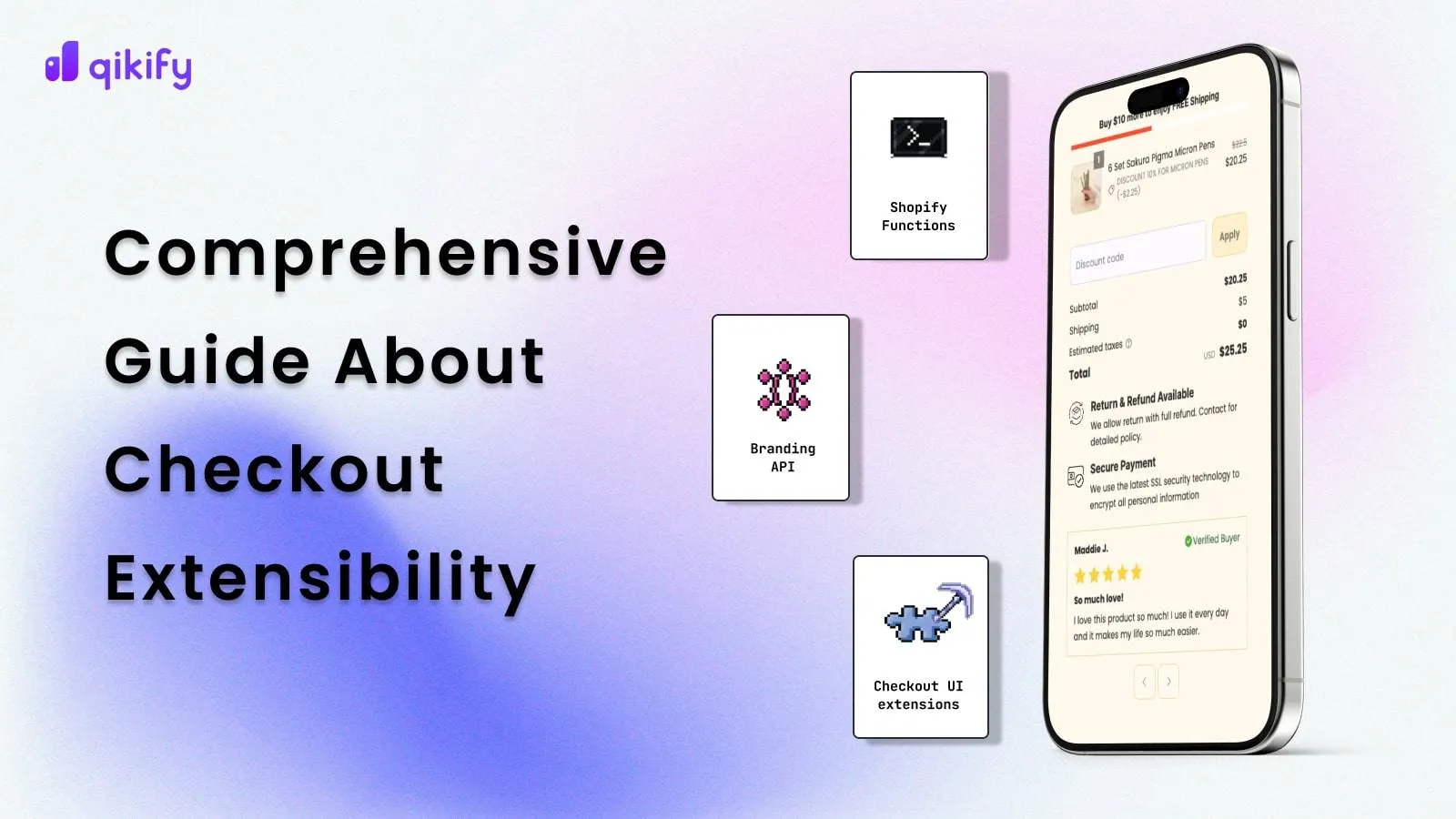
Migrating to Checkout Extensibility: Optimizing the Checkout Funnel for Speed and Security
Shopify is deprecating legacy checkout.liquid layouts, making the migration to Checkout Extensibility mandatory for enterprise merchants. This shift replaces fragile custom code with secure, high-performance UI extensions and Shopify Functions.
The performance impact of this migration is measurable, directly reducing checkout loading times and cart abandonment. As Shopify CEO Tobi Lütke has emphasized, platform speed directly correlates with merchant GMV, especially during high-stress events like BFCM.
Key Steps for a Secure Migration
- Map all legacy checkout.liquid customizations to native Shopify UI Extensions.
- Replace custom discount and shipping scripts with high-performance Shopify Functions.
- Deploy custom pixels via the Customer Privacy API to maintain tracking accuracy without sacrificing speed.
For complex business logic, partnering with a team specialized in custom development ensures your integrations remain stable during high-volume sales events. To optimize your checkout flow and boost conversion rates, check out our Conversion Rate Optimization (CRO) retainers.
Implementing Edge Delivery and Custom Liquid Optimization: Reducing Time to First Byte (TTFB)
High Time to First Byte (TTFB) is typically caused by complex Liquid loops, uncached API calls, and heavy database queries executed during page rendering. Optimizing the server-side execution path is critical for both user experience and search engine indexing.
How to Fix Liquid Performance Bottlenecks
- Replace nested Liquid loops: Avoid loops within loops which cause exponential execution times.
- Implement lazy loading for below-the-fold content: Utilize section rendering APIs or the GraphQL Storefront API to fetch non-critical page elements dynamically.
- Optimize image delivery: Use native image_tag filters with explicit srcset and sizes attributes to serve modern formats like WebP or AVIF.
By streamlining your codebase, you also support your organic growth strategy. Integrating these technical fixes with targeted search strategies ensures your fast-loading pages rank higher on search engine results pages. To align your performance gains with search engine visibility, learn more about our Technical SEO & GEO programs.
Selecting Shopify Plus Optimization Services: Key Technical Criteria and SLA Requirements for Enterprise Brands
Selecting the right development partner requires evaluating their technical capabilities beyond basic theme adjustments. Enterprise brands need agency partners who understand complex data pipelines, headless commerce, and strict service level agreements (SLAs).
Common Mistakes to Avoid
- Hiring agencies that rely on front-end optimization apps instead of refactoring underlying source code.
- Overlooking the impact of speed optimizations on third-party ERP, CRM, and inventory integrations.
- Failing to establish baseline performance metrics before beginning the optimization contract.
How Avelize Approaches Shopify Plus Optimization
Our team implements the Avelize Speed Engine Framework to systematically audit and refactor enterprise storefronts. We align technical performance improvements with measurable business outcomes.
- Phase 1: Performance Audit & Code Profiling (Week 1 | KPI: Identify 100% of render-blocking scripts).
- Phase 2: Liquid Refactoring & App Consolidation (Weeks 2-4 | KPI: Reduce TTFB by 30% using the Liquid-30 protocol).
- Phase 3: Checkout Extensibility Migration (Weeks 5-6 | KPI: 100% upgrade-safe checkout architecture).
- Phase 4: Continuous Monitoring & SLA Enforcement (Ongoing | KPI: Maintain sub-2.5s LCP under peak load).
Frequently Asked Questions
What is the difference between legacy checkout.liquid and Checkout Extensibility?
Legacy checkout.liquid allowed developers to directly edit the checkout's underlying HTML/CSS, which often broke during platform updates and introduced security vulnerabilities. Checkout Extensibility replaces this with a secure, sandboxed environment utilizing Shopify UI Extensions and Shopify Functions, ensuring upgrade safety and significantly faster loading speeds.
How long does a Shopify Plus speed optimization project take?
A comprehensive Shopify Plus speed optimization project typically takes between four to eight weeks, depending on the complexity of the storefront architecture and the volume of third-party integrations. During the initial week, our team conducts a deep-dive performance audit using Chrome DevTools Protocol and the Shopify Theme Inspector to map all render-blocking assets and orphaned scripts. The subsequent three weeks focus on executing the Liquid-30 refactoring protocol, which eliminates nested loops, optimizes image delivery via native image_tag filters, and transitions tracking pixels to the Customer Privacy API. If the merchant requires a migration to Checkout Extensibility, this adds an additional two to three weeks to safely map legacy checkout.liquid customizations to sandboxed Shopify UI Extensions and Shopify Functions. Ultimately, this structured timeline ensures that enterprise brands achieve a sustainable, sub-2.5 second Largest Contentful Paint (LCP) without disrupting active sales channels or backend ERP integrations.
Is headless commerce worth it for Shopify Plus speed optimization?
Headless commerce (using frameworks like Hydrogen or Next.js) is highly beneficial for brands requiring complete control over their frontend presentation layer and ultra-fast page transitions. However, for many merchants, a highly optimized Liquid theme can achieve comparable Core Web Vitals scores at a fraction of the development complexity.
Ready to accelerate your storefront and capture lost mobile revenue? Explore our Shopify Plus development services or contact our technical team to schedule your performance audit.
Published / Last reviewed: October 2026
Search Intent Refresh Notes
This page has search demand in Google Search Console. Refresh it around the highest-impression query language, add concrete examples, clarify the decision criteria, and link to the most relevant service page or related guide.
Authoritative References
Use these official resources to verify platform-specific claims and implementation details before making commercial or technical decisions.
Related Shopify and Ecommerce Growth Guides
Continue with these related guides for implementation, SEO, performance, and conversion context.
Related Avelize Services and Guides: Plus Customization · Shopify Seo Services · Conversion Rate Optimization