
GEO vs SEO for Shopify: Winning the AI Search Landscape
By:
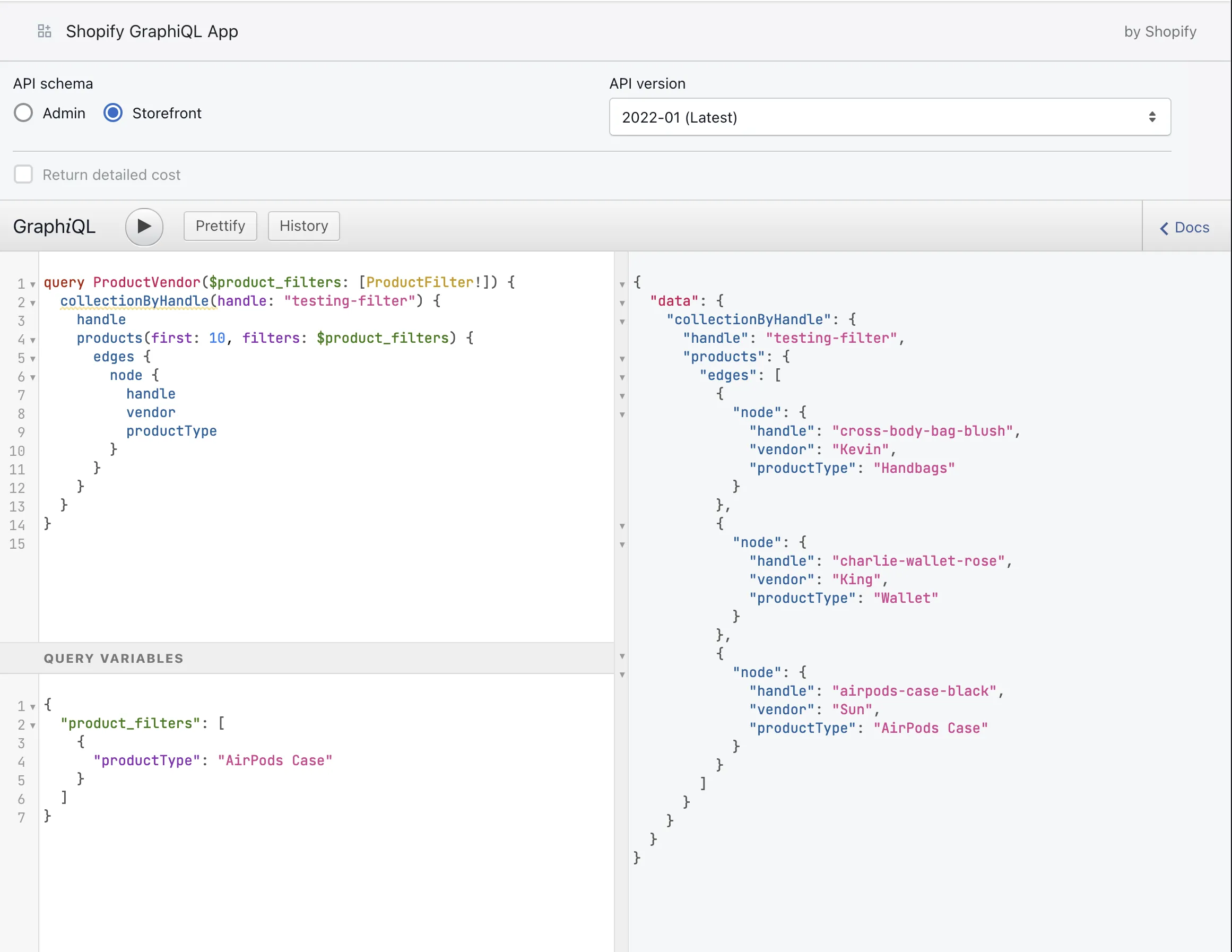
Generative Engine Optimization (GEO) is the technical process of structuring store data, product feeds, and brand entities so large language models can accurately retrieve, synthesize, and cite your products in AI-generated search results. While traditional SEO focuses on ranking links in Google's index, GEO optimizes for LLM retrieval mechanisms like Retrieval-Augmented Generation (RAG) to capture high-intent conversions directly from assistants like Gemini and ChatGPT.
Key Takeaways:- The Shopify-to-LLM Sync Protocol: Synchronize real-time inventory via Google Merchant Center Content API to prevent LLMs from recommending out-of-stock items during high-traffic events like BFCM.
- Entity Resolution: Use validated JSON-LD schema with
sameAsproperties to link your Shopify Plus store to authoritative nodes like Wikidata. - Shift in Metrics: Transition from tracking raw organic clicks to monitoring Share of Model (SoM) and assisted conversion rates.
GEO vs SEO Ecommerce: How LLM Retrieval Differs from Traditional Google Crawling
Traditional SEO targets search engine bots crawling HTML paths to index keywords for ranking. Generative Engine Optimization (GEO) targets Large Language Model (LLM) retrieval mechanisms that query vector databases and semantic nodes to synthesize direct answers.
Feature Traditional SEO Generative Engine Optimization (GEO) Primary Target Googlebot / Web Crawlers LLM Retrieval (RAG, Vector Search) Content Goal Keyword matching & PageRank Entity resolution & factual synthesis User Experience Ten blue links Single synthesized answer with citations- Retrieval-Augmented Generation (RAG): LLMs query external data sources in real-time to supplement their training data with accurate product specifications.
- Semantic Vector Search: Search systems match user intent with mathematical vectors rather than literal keyword matches.
- Entity Resolution: AI models cross-reference brand details across multiple independent sources to verify product facts.
Instead of ranking ten blue links, generative engines synthesize a single recommendation using multi-source verification. To adapt, merchants must transition from keyword stuffing to structured, API-driven data distribution.
Generative Engine Optimization Shopify: The 3-Step Schema Blueprint for AI Citations
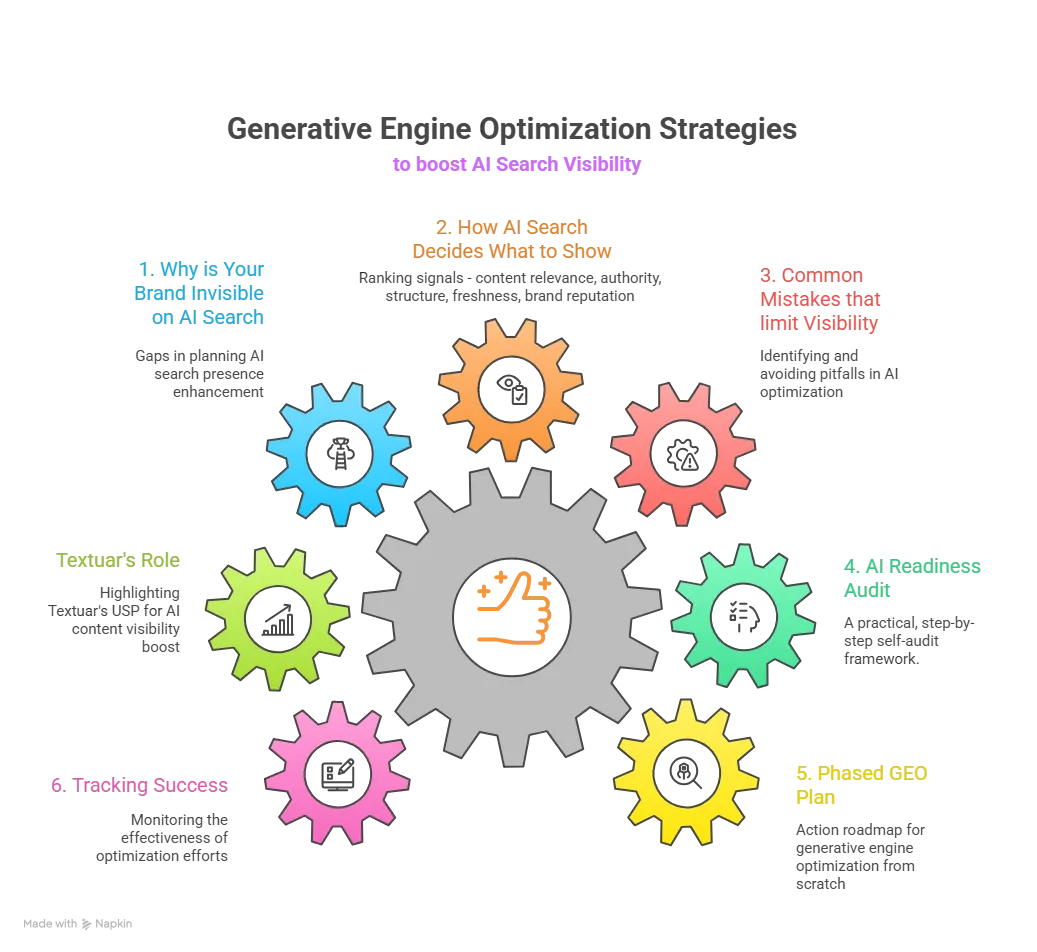
Implementing structured data is the most direct way to feed LLM retrieval engines. In 2026, structured data accuracy is the primary differentiator for Shopify Plus merchants looking to capture AI Overviews. Whether you are running a standard Liquid theme or a headless React/Next.js storefront powered by Shopify Hydrogen and the GraphQL Storefront API, clean data output is non-negotiable.
Step 1: Deploy Comprehensive Product JSON-LD
Ensure your product templates output clean, validated JSON-LD schema. This data must match your Google Merchant Center feed exactly to prevent entity mismatch. For advanced setups, utilizing specialized technical SEO & GEO programs ensures your code structure remains error-free.
Step 2: Establish Entity Nodes with SameAs Schema
Use Organization schema on your homepage to define your brand entity. Include sameAs properties pointing to your verified social profiles, Wikidata, and major retail registry profiles to help LLMs resolve your brand identity.
Step 3: Synchronize Real-Time Inventory and Pricing APIs
LLMs reject outdated product data. Use the Google Merchant Center Content API to push instant inventory and pricing updates, ensuring generative engines only recommend in-stock items. Integrating these real-time data flows requires specialized e-commerce app and integration development to prevent API latency.
Implementation Checklist
- Validate Schema.org markup using the Google Rich Results Test to ensure zero syntax errors.
- Match Shopify product IDs exactly with Google Merchant Center feed IDs.
- Inject real-time stock levels and structured pricing via API.
- Add
isSimilarToandsuggestedGenderattributes to capture semantic queries.
Brand Authority Optimization: Getting Your Shopify Products Recommended in ChatGPT and Gemini
LLMs evaluate brand authority by analyzing sentiment, third-party citations, and structured reviews across the web. To get recommended, your brand must exist as a verified node in their training datasets.
What to Avoid
- Relying on JavaScript-rendered reviews that LLM parsers skip.
- Using non-standard product attributes in the Shopify backend.
- Ignoring brand entity resolution in Wikidata or DBpedia.
How to Fix
- Deploy structured review widgets that output schema-compliant JSON-LD directly in the initial HTML response.
- Secure brand mentions on authoritative, high-PageRank review sites and comparison tables.
- Submit your brand profile to open-source databases like Wikidata to build a permanent entity node.
Comparing Shopify SEO vs GEO Metrics: What to Track When Clicks Drop but Conversions Rise
As generative engines answer queries directly, traditional organic clicks will decline. However, the traffic that does reach your Shopify store from AI citations is highly qualified, leading to higher conversion rates.
- Traditional SEO Metrics: Organic Sessions, Keyword Rankings, Click-Through Rate (CTR).
- GEO Metrics: Share of Voice in AI Overviews, Direct Referral Traffic from LLMs, Assisted Conversion Rate.
Focus your reporting on Share of Model (SoM) and Assisted Conversion Value. Users coming from AI citations have high intent and are pre-filtered, resulting in up to 3x higher conversion rates despite lower raw traffic.
How Avelize Approaches GEO and Technical SEO
Our team implements a comprehensive GEO and technical SEO program designed to transition your Shopify Plus store into the AI era. Here is our standard deployment framework:
- Phase 1: Entity & Schema Audit (Week 1-2): We audit your existing JSON-LD, Liquid templates, and GraphQL Storefront API outputs. KPI: 100% schema validation with zero warnings.
- Phase 2: The Shopify-to-LLM Sync Protocol (Week 3-4): We configure real-time inventory synchronization and establish verified entity nodes via Wikidata and DBpedia. KPI: Successful indexing in major LLM vector databases.
- Phase 3: Performance & Conversion Optimization (Ongoing): We optimize Core Web Vitals and integrate structured review widgets into your headless React/Next.js storefront or Liquid theme. KPI: 3x increase in assisted conversion value.
Frequently Asked Questions
Is GEO worth it for Shopify stores?
Yes, Generative Engine Optimization (GEO) is highly valuable for Shopify stores, particularly those operating in competitive niches or utilizing headless commerce architectures like Shopify Hydrogen. As search engines transition to zero-click AI Overviews, traditional organic click-through rates are projected to decline significantly. However, traffic driven by LLM citations (such as ChatGPT, Gemini, and Perplexity) exhibits up to three times higher conversion rates because these users have already been pre-qualified by the AI's synthesis engine. By implementing structured JSON-LD schema, optimizing real-time inventory APIs, and establishing verified entity nodes, Shopify merchants can secure authoritative citations in generative search results. This ensures your brand remains visible where high-intent buyers are actively researching products, directly offsetting the loss of traditional search traffic and establishing a sustainable, future-proof acquisition channel that converts at a substantially higher rate than standard organic search.
How long does GEO take to show results on Shopify?
Unlike traditional SEO which can take 3 to 6 months, GEO updates can reflect much faster. Once your structured schema is validated and your Google Merchant Center Content API is synchronized, LLMs utilizing real-time retrieval (RAG) can begin citing your updated product data within days to a few weeks.
What is the difference between SEO and GEO for ecommerce?
Traditional SEO focuses on optimizing web pages for search engine crawlers to rank in a list of links based on keywords and PageRank. GEO focuses on structuring data and brand entities so LLMs can retrieve, synthesize, and cite your products directly within conversational AI answers.
Ready to future-proof your store's search visibility? Partner with our team to deploy advanced schema and API integrations through our Technical SEO & GEO programs.
Published / Last reviewed: November 2025
Authoritative References
Use these official resources to verify platform-specific claims and implementation details before making commercial or technical decisions.
- Shopify Plus overview
- Google SEO Starter Guide
- Google canonicalization guide
- Google structured data introduction
Related Shopify and Ecommerce Growth Guides
Continue with these related guides for implementation, SEO, performance, and conversion context.
- Shopify AI Merchandising: Guide to Semantic Search
- Programmatic SEO for Ecommerce: Scale Catalog Traffic
Related Avelize Services and Guides: Generative Engine Optimization · Technical Audits · Shopify Seo Services