
Shopify B2B Wholesale: Maximize ROI with Automation
By:
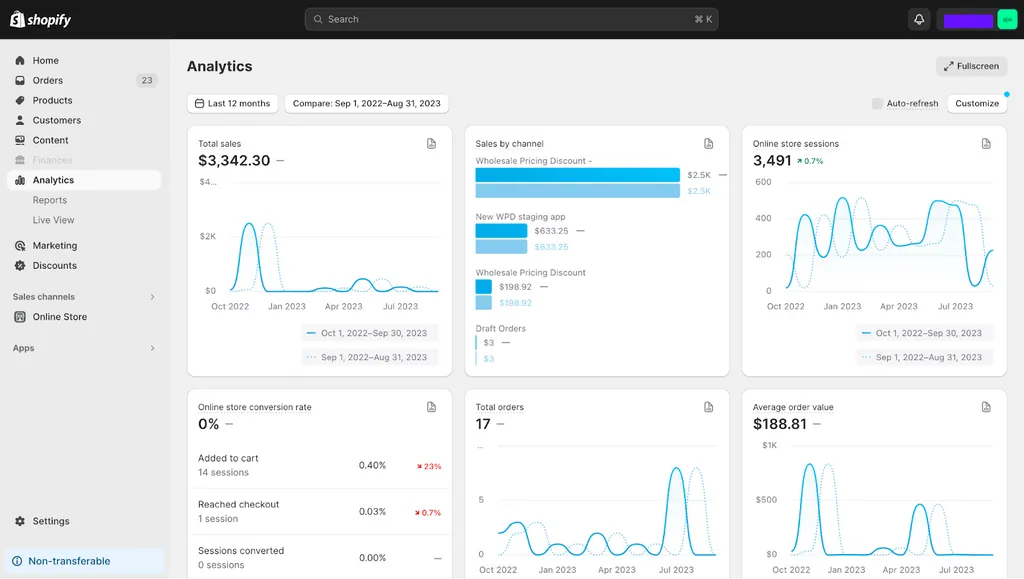
Shopify B2B Wholesale Maximize Roi With Automation: a practical Shopify Plus guide to the SEO, CRO, and revenue decisions that matter for ecommerce teams.
To maximize B2B ecommerce ROI on Shopify Plus, merchants must eliminate manual order entry and legacy tag-based apps. By leveraging native Shopify Plus B2B features—such as Company Profiles, custom Price Lists, and automated Net Payment Terms—and integrating them with a real-time ERP sync, high-volume merchants routinely reduce administrative overhead by up to 75% while accelerating order processing speeds.
Key Takeaways
- The ERP-15 Sync Protocol: Syncing inventory every 15 minutes prevents overselling and manual reconciliation.
- Native Feature Migration: Transitioning from legacy tag-based apps to native Shopify Company Profiles reduces page weight and improves site speed.
- Automated Net Terms: Setting automated Net 15/30/60 terms directly on company locations eliminates manual credit checks for trusted buyers.
- The B2B Margin Audit: Calculating manual entry costs using our standard labor formula identifies exact operational leaks.
How to Audit Your Shopify Plus Wholesale Channel for Margin Leaks
Shopify B2B wholesale optimization is the process of streamlining bulk ordering workflows, automating inventory syncs, and configuring native Shopify Plus features to reduce manual administrative overhead. By leveraging automated pricing, company profiles, and ERP integrations, merchants scale wholesale volume without increasing customer service headcount.

To identify where manual labor is draining your margins, audit your current operational bottlenecks. Focus on order touchpoints, pricing discrepancies, and inventory delays.
- Track the exact number of hours your customer service team spends manually entering emailed or faxed purchase orders.
- Identify the percentage of orders requiring manual price adjustments due to outdated price sheets.
- Measure the average delay between an ERP inventory update and your B2B storefront reflection.
- Review checkout drop-off rates caused by complex B2B registration processes that can be streamlined with conversion-focused B2B design and UX.
Deploying Shopify Process Automation to Eliminate Manual Order Entry and Draft Order Bottlenecks
Manual order entry limits growth. You can eliminate draft order queues entirely by shifting wholesale customers to self-service portals and automated workflows.
- Implement Shopify Flow: Set up automated triggers to tag B2B customers, approve wholesale accounts, and route high-volume orders directly to your fulfillment queue.
- Automate Draft to Order Conversion: Use custom scripts or Shopify Flow to automatically convert approved draft orders to active orders when payment terms are met.
- Self-Service Reordering: Enable customer-facing order history portals where buyers can click "Reorder" to instantly populate their cart with past bulk purchases.
- If native tools fall short of your operational requirements, leverage custom Shopify development to build bespoke automation logic tailored to your exact business rules.
Configuring Native B2B Features: Price Lists, Company Profiles, and Net Payment Terms
Configuring Shopify Plus native B2B features in 2026 eliminates the need for third-party wholesale apps that slow down your site and complicate data structures.
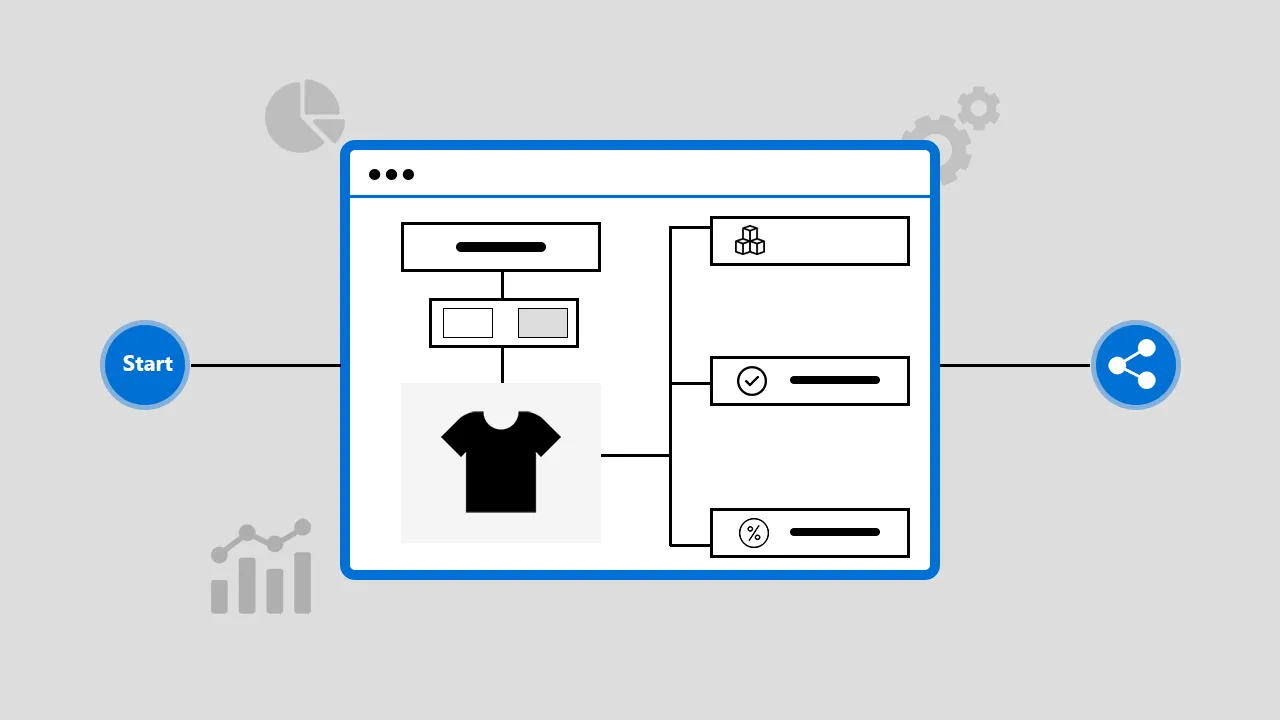
Comparison: Native Shopify Plus B2B vs. Legacy Tag-Based Apps
Feature Native Shopify Plus B2B (2026) Legacy Tag-Based Apps Inventory Sync Real-time single-variant tracking Duplicate variants, high error risk Pricing Logic Direct Price Lists via GraphQL Complex liquid overrides, slow loading Customer Accounts Company Profiles with multiple locations Single-user tags, manual mapping Page Speed Impact Zero overhead (native liquid/API) High JavaScript payload, slower checkoutImplementation Checklist: Transitioning to Native B2B
- Migrate to Company Profiles: Link multiple buyer accounts, locations, and unique payment terms under a single master Company Profile.
- Establish Price Lists: Set percentage-based or fixed-price discounts tied directly to specific Company Profiles, ensuring buyers only see their negotiated rates.
- Set Net Payment Terms: Assign Net 15, 30, or 60 terms directly to company locations, allowing wholesale buyers to checkout without immediate credit card authorization.
- Configure Quantity Rules: Define minimum order quantities (MOQs), maximum limits, and case-pack increments at the variant level.
Common Mistakes to Avoid
- Using tag-based apps: Avoid legacy wholesale apps that rely on customer tags and duplicate variants, which break inventory counts and cause pricing errors.
- Ignoring performance: Loading complex B2B apps can degrade site speed; utilize professional Shopify speed optimization to maintain fast load times for B2B buyers.
- Manual account approval: Do not manually review every wholesale application; use automated forms to validate tax IDs and instantly assign price lists.
The B2B Ecommerce ROI Calculator: Formulas to Quantify Time and Labor Savings
To justify your optimization efforts, you must quantify the exact hours and labor costs saved by automating manual processes.
Use these three formulas to calculate your operational savings:
- Manual Entry Labor Cost Formula: (Number of manual orders per month × average minutes per order / 60) × hourly wage of customer service rep = Monthly Manual Entry Cost.
- Error Correction Cost Formula: (Number of order errors per month × average cost to correct an error) = Monthly Error Cost.
- Total Monthly Savings: (Current Monthly Cost) - (Post-Automation Monthly Cost) = Net Operational ROI.
For example, if your team processes 500 manual orders per month, taking 15 minutes per order at $25/hour, automation saves you $3,125 per month in direct labor costs alone.
Integrating Shopify Plus with Your ERP to Ensure Real-Time Inventory and Pricing Sync
A successful Shopify B2B wholesale optimization strategy requires a tight, bi-directional integration with your Enterprise Resource Planning (ERP) system.
- Inventory Synchronization: Ensure your ERP pushes inventory updates to Shopify at least every 15 minutes (the ERP-15 sync protocol) to prevent overselling high-volume wholesale items.
- Pricing Alignment: Sync negotiated ERP contract pricing directly to Shopify Price Lists daily to eliminate manual billing reconciliation.
- Order Write-Back: Configure your integration to instantly write web orders back to the ERP as sales orders, bypassing human data entry entirely.
- For complex ERP systems like NetSuite, SAP, or Microsoft Dynamics, utilize robust Shopify Plus development services to build reliable API middleware.
How Avelize Approaches This
Our team designs and engineers end-to-end B2B migrations and ERP integrations. We begin with a comprehensive operational audit to map your existing ERP workflows, followed by a 6-week implementation phase to configure native Shopify Plus B2B features, build custom middleware, and deploy automated workflows. This systematic approach ensures zero downtime and immediately reduces administrative overhead.
Ready to scale your wholesale operations? Learn more about our Technical SEO & GEO programs or contact us to discuss your integration requirements.
Frequently Asked Questions
How does Shopify Plus native B2B compare to legacy wholesale apps?
Native Shopify Plus B2B offers a unified commerce architecture that replaces legacy, tag-based wholesale apps. Unlike older applications that rely on duplicate product variants and customer tags—which frequently break inventory counts, slow down page load speeds, and complicate checkout flows—native Shopify B2B operates directly within the core platform. It utilizes native Company Profiles, custom Price Lists, and localized Net Payment Terms. This architectural integration allows merchants to manage both B2B and D2C operations from a single Shopify admin panel. By leveraging the GraphQL Storefront API and native Liquid architecture, Shopify Plus native B2B eliminates the heavy JavaScript payloads associated with third-party apps, resulting in faster site speeds, improved conversion rates, and seamless bi-directional ERP integrations with platforms like NetSuite, SAP, and Microsoft Dynamics without the risk of data synchronization conflicts. This unified approach ensures that B2B buyers experience the same high-performance shopping standard as retail consumers, while giving backend administrators complete control over complex wholesale pricing structures.
How long does a Shopify Plus ERP integration take?
A standard bi-directional ERP integration for Shopify Plus typically takes between 6 to 12 weeks, depending on the complexity of your custom pricing rules and inventory sync requirements.
Is Shopify Plus worth it for mid-market B2B wholesale?
Yes, Shopify Plus is highly cost-effective for mid-market B2B merchants. By eliminating third-party app licensing fees and reducing manual order entry labor, most merchants achieve full ROI within the first six months of migration.
Published / Last reviewed: November 2026
Search Intent Refresh Notes
This page has search demand in Google Search Console. Refresh it around the highest-impression query language, add concrete examples, clarify the decision criteria, and link to the most relevant service page or related guide.
Authoritative References
Use these official resources to verify platform-specific claims and implementation details before making commercial or technical decisions.
Related Shopify and Ecommerce Growth Guides
Continue with these related guides for implementation, SEO, performance, and conversion context.
- Shopify Flow Automation: 5 High-Volume Templates [2026]
- Agentic Commerce for Shopify: 4 High-ROI AI Workflows
- Shopify B2B Wholesale: Optimize Pricing & Reorder UX
Related Avelize Services and Guides: Services · Ecommerce Web Design Agency