
Shopify Collective Australia: The Plus Scaling Playbook
By:
Shopify Collective Australia The Plus Scaling Playbook: a practical Shopify Plus guide to the SEO, CRO, and revenue decisions that matter for ecommerce teams.
How do Australian Shopify Plus merchants expand their product catalogs locally without incurring massive inventory holding costs? The answer lies in Shopify Collective Australia, a native B2B integration that allows high-growth brands to sell products sourced directly from domestic suppliers. By routing orders instantly to partner Shopify admins for direct fulfillment, merchants can scale SKU count and Average Order Value (AOV) while maintaining zero inventory risk.
Key Takeaways
- Zero Inventory Risk: Expand catalog size instantly by connecting directly with local Australian suppliers via native Shopify APIs.
- The Flat-Rate Shipping Rule: Prevent high cart abandonment rates by implementing a flat-rate shipping fee of $9.95 to absorb split-shipping costs.
- GST Compliance: Automate tax reconciliation by charging 10% GST on retail prices while paying suppliers 10% GST on wholesale costs.
- SLA Enforcement: Maintain brand reputation by enforcing a strict 24-to-48-hour fulfillment window with domestic carriers like Australia Post or StarTrack.
How Shopify Collective Works for Australian Plus Merchants
Shopify Collective Australia is a native B2B integration that allows Australian Shopify Plus merchants to sell products from local suppliers directly on their store. As we optimize Shopify Plus expansion in 2026, Shopify Collective has emerged as a critical tool for scaling without capital expenditure.

In our work with merchants preparing for BFCM, we often see catalog expansion bottlenecked by warehousing limits. Under Tobi Lütke's product vision, Shopify has integrated this workflow directly into the core platform, bypassing the need for complex middleware. For headless setups built on Hydrogen or Next.js, the GraphQL Storefront API seamlessly queries real-time inventory levels directly from the supplier's store, ensuring zero out-of-stock discrepancies. When a customer purchases a partner product, the order is instantly routed to the supplier's Shopify admin for direct fulfillment to the Australian consumer. This ensures tracking data flows back to your customer via Klaviyo or native notifications automatically.
- Zero Inventory Risk: You only pay for the product after a customer purchases it on your site.
- Native Integration: Real-time inventory and tracking details sync automatically between Shopify stores.
- Custom Adjustments: If you need advanced routing rules or bespoke checkout modifications, you can implement them via our Shopify development services to streamline the workflow.
Step-by-Step Setup: Connecting with Domestic Suppliers in Australia
To launch Shopify Collective, both you and your Australian supplier must operate on Shopify. Follow this checklist to establish the connection:
- Install the Shopify Collective App: Open your Shopify Plus admin, navigate to the Shopify App Store, and install the native Shopify Collective app.
- Invite Australian Suppliers: Send an invitation link directly from your Collective dashboard to your partner's Shopify store URL.
- Review and Accept Pricing: Negotiate margins and accept the supplier's shared price list within your dashboard.
- Import Selected SKUs: Select the specific products you want to sell and import them into your Shopify admin with a single click.
- Publish Products: Add the imported SKUs to your active sales channels, collections, and navigation menus.
Calculating Margins and Handling GST on Shopify Collective AU
Maintaining profitable margins requires a clear understanding of the wholesale discount and Australian GST obligations.
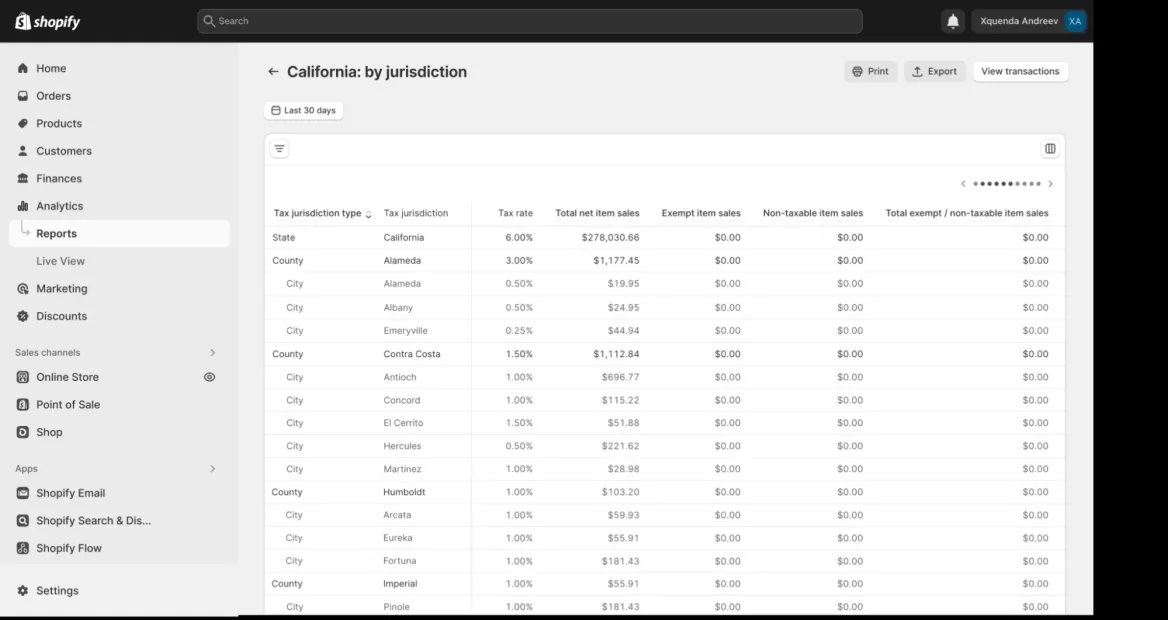
We recommend utilizing the 30-percent margin rule to ensure viability. Aim for a wholesale discount of 20% to 40% off the supplier's recommended retail price (RRP). For tax compliance, you must charge the standard 10% GST to the customer at checkout on the retail price. The supplier will invoice you for the wholesale cost of the item plus 10% GST on that wholesale amount. To prevent double-taxation errors, ensure your accounting software correctly maps these split transactions.
If you require assistance auditing your product feeds, structured data, or tax reporting setup, leveraging our professional SEO & Data services can ensure your catalog is correctly indexed and configured.
Automating Fulfillment and Shipping Rates Across Multiple AU Warehouses
Managing shipping rates is the most critical technical challenge when dropshipping via Shopify Collective, as orders containing mixed items can trigger split-shipping costs.
What to Avoid (Common Mistakes)
- Stacking multiple shipping fees at checkout, which can lead to over 30% cart abandonment.
- Failing to set geographic exclusions for heavy items, resulting in high shipping costs to Western Australia, Northern Territory, or rural areas.
- Allowing automated tracking emails to send out of order, confusing customers with multiple delivery notifications.
How to Fix (Implementation Steps)
- Use Flat-Rate Shipping: Set a single flat rate of $9.95 or offer free shipping over $150 to absorb the split shipping cost into your retail margin.
- Create Shipping Profiles: Group Collective products into dedicated shipping profiles in Shopify to apply specific carrier rates.
- Configure Rates: Set up rules that combine shipping rates at checkout or calculate them dynamically based on the customer's postcode.
SLA Templates and Quality Control for Australian Dropship Partners
To protect your brand reputation, establish strict Service Level Agreements (SLAs) with your domestic partners before activating the integration.
Our team recommends the 48-hour fulfillment guarantee. Suppliers must pick, pack, and ship orders within 24 to 48 hours of receiving the order. Shipments must use tracked services via Australia Post, StarTrack, Aramex, or Sendle. Establish a clear policy where defective items are returned directly to the supplier within 30 days, using neutral packaging with no competitor branding or invoices included in the box.
How Avelize Approaches Shopify Plus Expansion
Our team approaches catalog expansion through a structured, technical lens. We don't just connect apps; we engineer robust workflows that protect your margins and site performance.
Our implementation process follows a proven timeline:
- Phase 1: Architecture & Mapping (Weeks 1-2): We audit your existing checkout, shipping profiles, and tax configurations to design a seamless multi-warehouse routing strategy.
- Phase 2: Supplier Integration & Testing (Weeks 3-4): We establish secure connections with your Australian suppliers, configure real-time inventory sync via the GraphQL Storefront API, and run end-to-end order fulfillment simulations.
- Phase 3: Optimization & Analytics (Week 5): We configure Triple Whale and Klaviyo integrations to track blended margins, monitor shipping cost absorption, and automate post-purchase tracking flows.
This program is delivered as part of our comprehensive Technical SEO & GEO programs and custom development retainers, ensuring your expanded catalog ranks organically while converting at peak efficiency.
Frequently Asked Questions
Is Shopify Collective worth it for Shopify Plus merchants in Australia?
Yes. For Shopify Plus merchants, Shopify Collective provides a low-risk mechanism to test new product categories, increase Average Order Value (AOV), and build local supplier networks without upfront inventory costs or warehousing overhead.
How does shipping work with Shopify Collective when orders contain products from different suppliers?
When a customer places an order containing products from both your warehouse and a Shopify Collective supplier, Shopify splits the order behind the scenes. To prevent cart abandonment caused by stacked shipping rates at checkout, merchants must configure custom shipping profiles. The most effective strategy is the blended shipping rate protocol, where you charge a single flat rate (such as $9.95) or offer free shipping over a specific threshold (like $150) to the customer, while absorbing the supplier's shipping fee into your retail margin. Alternatively, you can use Shopify's native shipping profiles to calculate combined rates dynamically based on the customer's postcode. This ensures that even though multiple fulfillment locations are triggered, the customer experiences a unified checkout process. Tracking numbers from both shipments are automatically synced back to the customer's order status page as they are fulfilled by each respective warehouse.
What is the difference between Shopify Collective and traditional dropshipping?
Unlike traditional dropshipping which often relies on low-quality, overseas suppliers and slow shipping times, Shopify Collective connects established domestic brands operating on Shopify. This ensures high-quality products, fast local shipping via carriers like Australia Post, and automated inventory syncing directly between Shopify admins.
Ready to scale your product catalog without the overhead of physical inventory? Contact our team today to explore how our Shopify Plus development services can seamlessly integrate Shopify Collective into your store architecture.
Published / Last reviewed: 2026
Authoritative References
Use these official resources to verify platform-specific claims and implementation details before making commercial or technical decisions.
Related Avelize Services and Guides: Plus Customization · Ecommerce Web Design Agency