
Shopify Plus Agentic Search: Deploying AI Personalization
By:
Shopify Plus Agentic Search Deploying AI Personalization: a practical Shopify Plus guide to the SEO, CRO, and revenue decisions that matter for ecommerce teams.
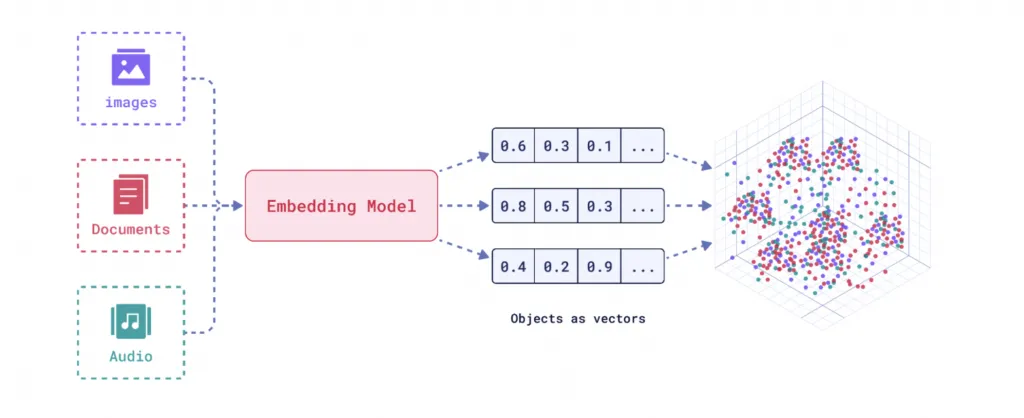
To capture high-intent traffic and lift average order value on high-volume Shopify Plus stores, merchants must transition from legacy keyword-matching search engines to agentic, AI-driven search. By converting product catalogs into vector embeddings and querying them via real-time LLM middleware, brands can eliminate zero-result pages and deliver hyper-personalized product recommendations. In our work with merchants, this architectural shift directly resolves search bounce rates and drives measurable conversion lifts.
Key Takeaways
- 15% to 30% Conversion Lift: Transitioning to semantic vector search captures high-intent queries that legacy keyword search misses.
- Sub-200ms Latency: Querying vector databases (like Pinecone) and fetching real-time inventory via Shopify's GraphQL Storefront API ensures rapid load times.
- Zero-Result Elimination: Implementing dynamic query expansion rewrites user search terms to prevent dead ends.
- Catalog Vectorization: Consolidating Shopify metafields into clean JSON payloads is required to generate high-quality LLM embeddings.
Why Legacy Shopify Search Fails: The Transition to Agentic Search and AI Personalization
AI ecommerce personalization is the real-time application of machine learning models and natural language processing to dynamically tailor search results, product recommendations, and navigation flows based on contextual user intent. Unlike static rule-based systems, this technology interprets user intent contextually to increase conversion rates and average order value on high-volume storefronts.

Standard Shopify search relies heavily on exact string matches, tags, and basic titles. When a user enters complex queries like "breathable waterproof jacket under $150", legacy systems fail because they cannot process semantic intent or price filters simultaneously.
Agentic search is an AI-driven search methodology that uses large language models (LLMs) and vector embeddings to interpret the semantic meaning of user queries rather than relying on exact keyword matches. This allows the search engine to understand synonyms, context, and intent, delivering highly relevant results instantly.
To implement this, technical teams often leverage custom Shopify Plus development services to integrate external vector databases with their existing storefront architecture.

Step 1: Configuring Your Shopify Plus Product Catalog for LLM-Based Agentic Search
Your AI search agent is only as good as the data feeding it. To generate accurate vector embeddings, you must structure your product catalog into clean, descriptive JSON payloads.
- Consolidate Metafields: Merge disparate product specifications (e.g., material, fit, weather-resistance) into structured namespaces.
- Expand Descriptions: Replace short, marketing-heavy copy with detailed, feature-rich descriptions that include use cases and target audiences.
- Clean HTML Tags: Strip out all non-essential HTML formatting, inline styles, and scripts from your product descriptions before sending them to the LLM.
Using technical SEO and data structured feeds ensures your catalog is indexable by both search engines and AI vectors without performance bottlenecks.
Step 2: Implementing Real-Time AI Product Recommendations via Shopify GraphQL Admin API
To serve personalized recommendations in real time, you must query your AI middleware and fetch corresponding product details from Shopify.
- Capture Context: Track the user's real-time browser behavior, search queries, and cart contents.
- Query Vector DB: Send this context to your vector search database (e.g., Pinecone, Milvus) to retrieve the top 10 matching product IDs.
- Fetch Shopify Data: Query the Shopify Storefront API using GraphQL to fetch current inventory, pricing, and image URLs for those specific IDs.
Because real-time queries can introduce latency, optimizing your API payloads is critical. Implementing high-performance Shopify Plus development services ensures these personalized recommendation widgets load in under 200 milliseconds.
Step 3: Optimizing Search Intent Mapping for Zero-Result Queries and Synonyms
Zero-result search pages are major drop-off points for high-intent shoppers. Agentic search maps query intent to prevent these dead ends.
What to Avoid (Common Mistakes)
- Relying on Manual Synonym Lists: Creating manual redirects for thousands of typos and regional dialects is impossible to scale.
- Ignoring Search Context: Treating "cold weather gear" and "summer clothing" as identical search queries due to overlapping keyword tags.
- Hardcoded Redirects: Directing users to generic collection pages when a specific, highly relevant search term has zero exact matches.
How to Fix (Implementation Checklist)
- Implement Vector Search Fallbacks: Configure your search middleware to fall back to semantic vector matching when keyword-based search returns 0 results.
- Deploy Dynamic Query Expansion: Use an LLM API to rewrite user queries into a standardized format (e.g., translating "kicks" to "sneakers") before querying the catalog.
- Log Unmapped Queries: Set up automated daily exports of search queries that returned low confidence scores to continuously refine your vector embedding model.
Step 4: Measuring the ROI of Agentic Commerce (A/B Testing Conversion and AOV)
Deploying AI ecommerce personalization requires continuous validation to prove its impact on your bottom line.
- Isolate Traffic: Run a strict 50/50 A/B test routing half of your users to your legacy keyword search and the other half to the agentic AI search.
- Track Search Conversion Rate: Measure the percentage of users who make a purchase after interacting with the search bar, targeting a minimum lift of 15% to 30%.
- Monitor Average Order Value (AOV): Analyze whether personalized cross-sell recommendations increase the total basket size at checkout.
- Measure Search Exit Rate: Track the percentage of users who leave your store immediately after performing a search, aiming for a reduction below 10%.
How Avelize Approaches Agentic Search Integration
Our team engineers custom agentic search pipelines for high-volume Shopify Plus stores using a structured, three-phase deployment model:
- Catalog Audit & Vectorization (Weeks 1-2): We clean and structure your Shopify metafields, generating optimized JSON payloads to build a high-fidelity vector database in Pinecone or Milvus.
- Middleware & API Integration (Weeks 3-5): We build custom edge-cached middleware that intercepts search queries, processes them via LLM embeddings, and queries the Shopify GraphQL Storefront API to return results in under 200 milliseconds.
- A/B Testing & Optimization (Weeks 6-8): We run a strict 50/50 split test to measure search conversion rate, targeting a 15% to 30% lift in search-attributed revenue.
Ready to modernize your storefront's search architecture? Explore our Shopify Plus development services to get started.
Frequently Asked Questions
Is agentic search worth it for Shopify Plus merchants?
Yes. For high-volume Shopify Plus merchants generating significant search traffic, agentic search is highly valuable because it directly addresses the structural limitations of legacy keyword matching. By utilizing vector embeddings and large language models, agentic search understands semantic intent, user context, and complex multi-attribute queries (such as "breathable waterproof jacket under $150"). In our work with merchants, implementing this advanced search technology eliminates zero-result pages and reduces search exit rates below 10%. Furthermore, by serving hyper-relevant, context-aware product recommendations in real time, brands typically observe a 15% to 30% increase in search-attributed conversion rates and a measurable lift in average order value. The technical investment in custom middleware and vector databases like Pinecone quickly pays for itself by capturing high-intent shoppers who would otherwise bounce due to poor search relevance, ultimately boosting overall store profitability and customer lifetime value across all channels.
How long does it take to deploy AI search on Shopify?
A production-ready deployment of agentic search and AI personalization typically takes 6 to 8 weeks. This timeline includes catalog data structuring, vector database configuration, GraphQL API optimization, and rigorous A/B testing.
What is the difference between keyword search and vector search?
Keyword search relies on exact string matches, tags, and product titles, often failing when users use synonyms or natural language. Vector search converts catalog data and user queries into multi-dimensional mathematical coordinates, matching search intent contextually rather than literally.
To implement high-performance agentic search and custom vector integrations on your storefront, partner with our technical team. Explore our Technical SEO & GEO programs or contact us to design your custom search architecture.
Published / Last reviewed: 2026
Authoritative References
Use these official resources to verify platform-specific claims and implementation details before making commercial or technical decisions.
- Shopify Plus overview
- Google SEO Starter Guide
- Google canonicalization guide
- Google structured data introduction
Related Avelize Services and Guides: Generative Engine Optimization · Technical Audits · Conversion Rate Optimization