
Shopify Plus Site Architecture: Elite SEO & UX Blueprint
By:
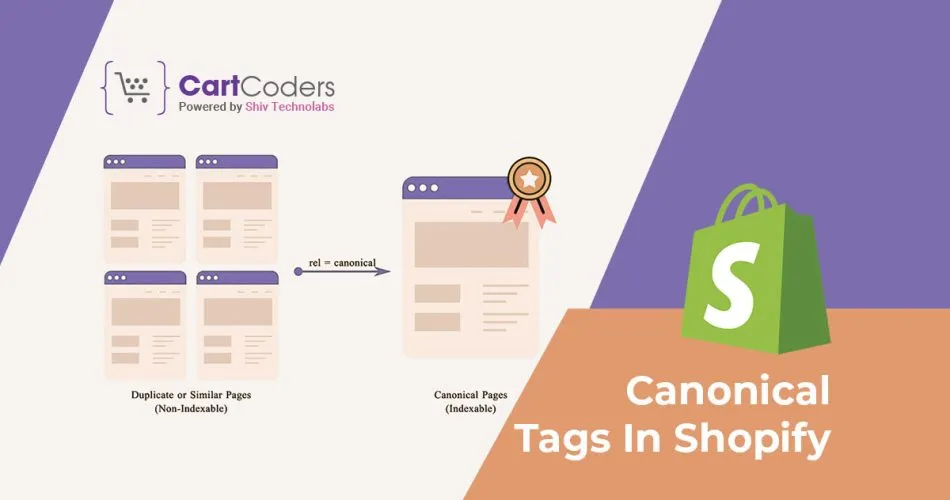
To maximize organic visibility on Shopify Plus, enterprise merchants must actively bypass the platform's rigid directory constraints. Shopify Plus site architecture is the structural organization of an enterprise ecommerce store's directories, category taxonomies, and internal linking paths. In our work with merchants, we have found that flattening navigation depth and establishing strict canonical rules is the only way to prevent crawl budget waste across catalogs exceeding 10,000 SKUs.
Key Takeaways
- The Decoupling Pattern: Eliminate collection-aware URLs by removing the
| within: collectionLiquid filter to reclaim up to 40% of wasted crawl budget. - AJAX-Facet Crawl Shield: Use dynamic AJAX filtering with
rel="nofollow"to prevent search bots from crawling infinite filter combinations. - The 3-Click Rule: Ensure no indexable product page is more than three clicks away from the homepage using optimized HTML sitemaps and numerical pagination.
- Subfolder Strategy: Deploy Shopify Markets with subfolders (e.g.,
/en-ca) instead of expansion stores to consolidate domain authority in 2026.
Mapping the Perfect Shopify Plus URL Hierarchy (Overcoming /collections/ and /products/ Constraints)
Because Shopify enforces rigid /products/ and /collections/ subfolders, optimizing this architecture requires flattening navigation depth and establishing strict canonical rules to prevent crawl budget waste across thousands of SKUs.
- Keep the hierarchy flat: Ensure that your high-value category pages are linked directly from your main navigation menu to pass link equity.
- Use clean handles: Keep collection and product handles short, descriptive, and keyword-focused while avoiding nested path mimicking.
- Leverage headless architecture: If your SKU count scales beyond 50,000, consider bypassing Shopify's URL constraints entirely by utilizing custom Development solutions to build a headless frontend.
Subfolders vs. Expansion Stores for International SEO
Strategy Pros Cons Best For Subfolders (Shopify Markets) Consolidates domain authority, easier maintenance Less regional design flexibility Rapid global expansion Expansion Stores Complete local design and inventory control Splits domain authority, higher overhead High-volume localized operationsSolving the Duplicate Content Loophole: Canonicalization Rules for Collection-Aware Product URLs
Shopify inherently creates multiple URLs for a single product when it is accessed through a collection page, leading to massive internal duplicate content issues.
How to Fix: Eliminate Collection-Aware URLs
- Modify the Liquid code: Open your product grid item template (usually
product-card.liquidorproduct-grid-item.liquid). - Remove the collection filter: Change the URL output from
{{ product.url | within: collection }}to{{ product.url }}. - Enforce canonical tags: Verify that your
theme.liquidlayout file contains a self-referential canonical tag:<link rel="canonical" href="{{ canonical_url }}">. - Consult specialists: If your theme uses dynamic Javascript rendering for product grids, deploy advanced Technical SEO & GEO programs to safely decouple collection-aware links without breaking user tracking.
Designing High-UX Faceted Navigation Without Creating Infinite Crawl Traps
Faceted navigation is essential for user experience on large stores, but it can generate millions of crawlable URL variations through filter combinations.
What to Avoid
- Allowing search bots to crawl every combination of size, color, and price filters.
- Relying solely on canonical tags to resolve faceted crawl bloat, as Google may ignore them and crawl the URLs anyway.
- Generating clean, crawlable URLs for low-value filter combinations that have zero search volume.
How to Fix
- Implement AJAX Filtering: Ensure that checking a filter updates the page content dynamically without changing the browser URL or appending indexable query parameters.
- Use No-Follow on Filter Links: Apply
rel="nofollow"to filter menus to prevent search crawlers from following facet combinations. - Partner with experts: Build a search-friendly filtering system that balances search visibility with conversion rate optimization by collaborating with a specialized Design & UX team.
Optimizing Crawl Budget for 10,000+ SKUs: Internal Linking and XML Sitemap Segmentation
Large-scale Shopify sites waste critical crawl budget on low-value pages, pagination loops, and out-of-stock items.
- Optimize Robots.txt: Use Shopify's
robots.txt.liquidtemplate to disallow crawling of filter parameters, internal search results (/search), and checkout pages. - Implement Numerical Pagination: Avoid infinite scroll or "load more" setups that hide deeper collection pages from search bots; use clear numerical pagination instead.
- Handle Out-of-Stock SKUs: Keep permanently discontinued items active if they have backlink equity, but implement a 301 redirect to the most relevant parent collection if they are deleted.
- Segment XML Sitemaps: Monitor indexation issues by submitting category-specific sitemaps directly to Google Search Console rather than relying solely on the parent index.
Structuring Multi-Currency and International (Hreflang) Architectures on Shopify Plus
Expanding globally on Shopify Plus requires a structured approach to prevent regional pages from competing against each other in search results.
International Setup Checklist
- Select your domain strategy: Choose between subfolders (e.g.,
brand.com/en-ca) using Shopify Markets, or completely separate expansion stores (e.g.,brand.ca). - Implement dynamic hreflang tags: Inject automated hreflang code in the
<head>of yourtheme.liquidtemplate to map corresponding pages across regions. - Disable forced redirects: Avoid hard redirecting visitors based on IP address, as this blocks search engine bots from crawling localized versions of your site.
- Localize structured data: Ensure Schema markup dynamically outputs the localized currency and pricing for each regional subfolder.
- Verify in Search Console: Set up individual domain properties in Google Search Console to monitor crawl rates and indexation for each regional market.
Measuring Site Architecture Success: Key Technical SEO and UX Metrics to Track
Tracking the impact of your structural optimizations ensures your crawl budget is utilized efficiently.
- Crawl Ratio: Monitor your log files to ensure Googlebot crawls at least 80% of your priority product pages within a 30-day window.
- Indexation Rate: Track the gap between "Submitted" and "Indexed" pages in Google Search Console; the indexation rate should exceed 90%.
- Page Load Speed (LCP): Maintain a Largest Contentful Paint of under 2.5 seconds across all devices. If your large-scale catalog slows down your templates, implement targeted Development to protect your rankings.
- Crawl Depth: Ensure that no indexable product page is more than 3 clicks away from the homepage.
How Avelize Approaches This
Our team engineers custom site architecture audits and headless migrations. We deliver a complete structural overhaul within 4 to 6 weeks, targeting a 90%+ indexation rate and a sub-2.5s LCP. Our Technical SEO programs start at $5,000/month.
Frequently Asked Questions
How do I fix duplicate product URLs on Shopify Plus?
To resolve duplicate product URLs on Shopify Plus, you must eliminate collection-aware URLs from your theme's Liquid files. By default, Shopify generates paths like /collections/appliances/products/toaster alongside the canonical /products/toaster. This duplicate pathing wastes crawl budget and dilutes link equity. To fix this, locate your product grid item templates (such as product-grid-item.liquid or product-card.liquid) and modify the URL output. Change the code from {{ product.url | within: collection }} to {{ product.url }}. This simple adjustment forces Shopify to link directly to the canonical product URL across all collection grids. Additionally, ensure your layout file contains a self-referential canonical tag. For stores with over 10,000 SKUs, implementing this decoupling pattern can reclaim up to 40% of wasted crawl budget, ensuring Googlebot prioritizes indexing unique, high-value product pages instead of duplicate collection paths.
Does Shopify Plus support subfolders for international SEO?
Yes, through Shopify Markets, Shopify Plus supports regional subfolders (e.g., brand.com/en-ca). This consolidates domain authority into a single domain while dynamically serving localized currency, pricing, and language options, which is highly recommended for most enterprise brands.
How does faceted navigation affect Shopify SEO?
Faceted navigation creates unique URLs for every filter combination (e.g., size, color, price). If left uncrawled, search bots can get stuck in infinite crawl loops, wasting your crawl budget. Implementing AJAX-based filtering and applying rel="nofollow" to filter links prevents search engines from indexing these low-value pages.
Need to scale your store's organic performance without hitting platform limits? Explore our Technical SEO & GEO programs or contact our team to audit your architecture.
Published / Last reviewed: February 2026
Authoritative References
Use these official resources to verify platform-specific claims and implementation details before making commercial or technical decisions.
- Shopify Plus overview
- Google SEO Starter Guide
- Google canonicalization guide
- Google structured data introduction
Related Shopify and Ecommerce Growth Guides
Continue with these related guides for implementation, SEO, performance, and conversion context.
Related Avelize Services and Guides: Store Redesign · Ecommerce Web Design Agency · Shopify Seo Services