
The Technical SEO Checklist 2024: Engine-Ready Auditing
By:
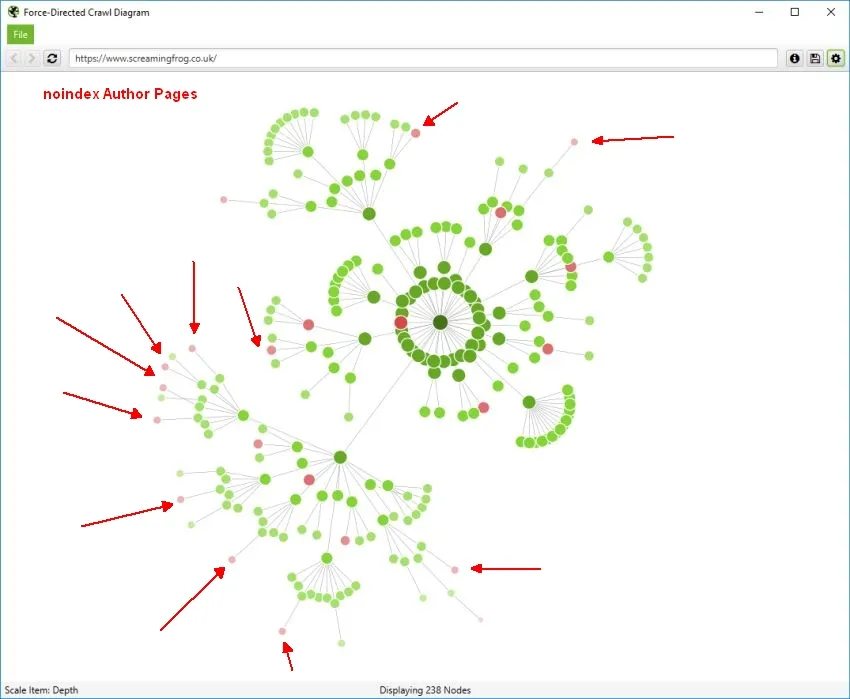
To rank in 2024, your site must satisfy both human search intent and LLM-driven retrieval engines. Our definitive seo checklist 2024 provides the exact technical, semantic, and structural optimizations required to maximize crawl efficiency and secure high-intent organic traffic. By focusing on crawl budget optimization, semantic entity mapping, and Core Web Vitals, we ensure your platform remains highly visible across traditional SERPs and generative AI search engines.
Key Takeaways
- The 200-OK Rule: Ensure XML sitemaps contain 100% indexable, clean URLs to eliminate crawl budget waste.
- The INP Threshold: Target an Interaction to Next Paint (INP) score under 200 milliseconds to satisfy Google's updated Core Web Vitals.
- Entity-First Mapping: Transition from keyword density to structured JSON-LD schema to feed LLM-based search engines.
- The Weekly Technical Crawl: Run automated diagnostic crawls to catch 404 errors and redirect loops before they impact rankings.
What is Technical SEO in 2024?
Technical SEO is the practice of optimizing a website's infrastructure so search engine spiders and LLM crawlers can crawl, render, and index pages efficiently. It focuses on resolving crawl budget waste, server response times, rendering errors, and mobile-first indexing issues to ensure every high-value page is accessible to search engines.
Optimization Vector Traditional SEO Focus GEO-Ready SEO Focus (2024) Indexing Strategy Basic XML sitemaps & robots.txt Crawl budget management & API-driven indexing Content Structure Keyword density & LSI keywords Entity mapping, JSON-LD schema, & direct answers Performance Metrics First Input Delay (FID) Interaction to Next Paint (INP) < 200msPhase 1: Technical SEO Foundations and Crawlability Fixes
In our work with merchants migrating to headless architectures using Shopify Hydrogen and the GraphQL Storefront API, we find that crawl budget waste is the single largest driver of organic traffic loss. To secure organic visibility, you must first eliminate crawl barriers. If search engines cannot efficiently parse your site architecture, your content changes will not register.
- Audit your XML sitemaps to ensure they contain only 200 OK indexable pages; remove redirects, 404s, and non-canonical URLs.
- Review your robots.txt file to prevent the crawling of staging sites, internal search result pages, and duplicate URL parameters.
- Analyze your crawl budget in Google Search Console to identify and resolve high-volume crawl errors and server response bottlenecks.
- Deploy structured data markup (Schema.org) using JSON-LD to clearly define Organization, Product, Article, and FAQ entities.
- If you are managing complex migrations or headless setups, leverage specialized Technical SEO and programmatic data solutions to prevent indexing drop-offs.
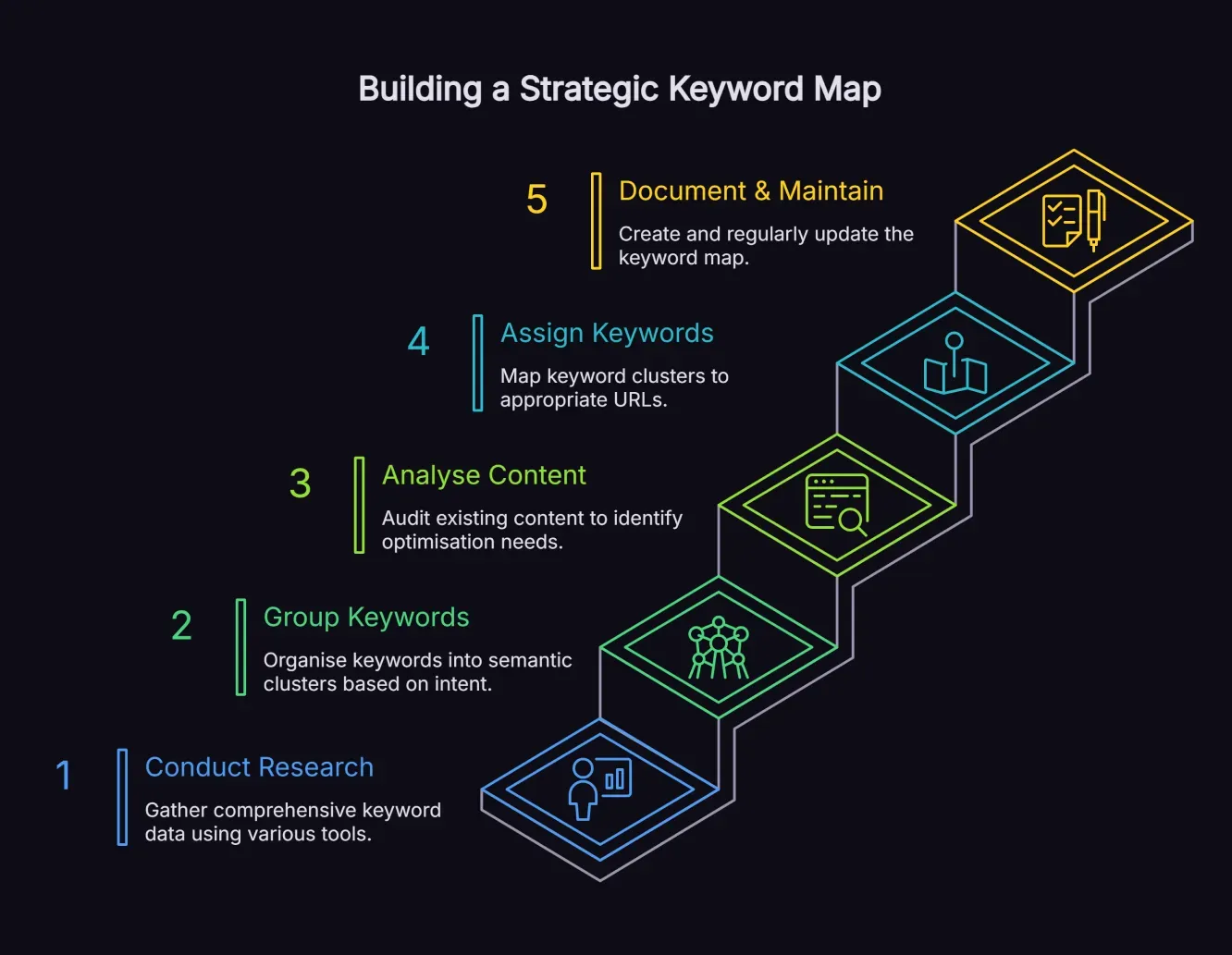
Phase 2: On-Page Optimization and Semantic Keyword Mapping
Modern search engines rely on semantic understanding and entity relationships rather than simple keyword density. Our team structures on-page elements to establish clear topical authority.
- Map your primary, secondary, and long-tail keywords to unique URLs to prevent internal keyword cannibalization.
- Optimize title tags under 60 characters and meta descriptions under 160 characters to maximize search engine results page (SERP) click-through rates.
- Structure each page with a single H1 tag containing your primary keyword, followed by logically nested H2 and H3 subheadings.
- Incorporate semantically related terms and LSI keywords naturally within the first 100 words of your body copy.
- Optimize image alt text with descriptive, keyword-rich descriptions while maintaining accessibility standards.
Phase 3: Content Quality and E-E-A-T Alignment
Google's ranking algorithms heavily prioritize Experience, Expertise, Authoritativeness, and Trustworthiness (E-E-A-T). High-quality content must demonstrate real-world experience to survive helpful content updates.
- Audit your existing content assets to identify and prune or consolidate thin, outdated, or low-performing pages.
- Add clear author bios with links to professional profiles to verify the writer's industry credentials.
- Cite authoritative external sources, original research, and primary data points to support your claims and build trust.
- Update informational content annually to ensure all statistics, guidelines, and industry regulations are accurate.
- Ensure your site clearly displays contact information, terms of service, and privacy policies to satisfy search quality rater guidelines.
Phase 4: Internal Linking and Site Architecture Optimization
A logical internal link structure distributes PageRank effectively and helps search engines discover your most important pages.
- Implement a hub-and-spoke (topic cluster) architecture to group related content together and establish topical authority.
- Identify and fix orphan pages (pages with 0 internal inbound links) using a site crawler.
- Use descriptive, keyword-rich anchor text instead of generic phrases like "click here" or "learn more."
- Limit the number of outbound internal links on a single page to prevent diluting link equity.
- Add breadcrumb navigation to improve user experience and provide clear hierarchical paths for search crawlers.
Phase 5: Core Web Vitals and Page Experience Auditing
Page experience is a confirmed ranking factor that directly influences user engagement, bounce rates, and conversion metrics. Review the official Web.dev guidelines to benchmark your performance.
- Measure Largest Contentful Paint (LCP) and target a loading speed of under 2.5 seconds.
- Monitor Interaction to Next Paint (INP) to ensure your page's interactive responsiveness is under 200 milliseconds.
- Minimize Cumulative Layout Shift (CLS) to a score of less than 0.1 by defining explicit dimensions for images and media.
- Compress and convert all images to modern formats like WebP or AVIF to reduce payload sizes.
- Eliminate render-blocking JavaScript and CSS files that delay the rendering of critical above-the-fold content.
- If your site suffers from poor performance, collaborate with a professional team specializing in custom web development and custom coding services to optimize your database and code delivery.
Phase 6: Off-Page Signals and Link Profile Maintenance
A clean, high-quality backlink profile remains one of the strongest indicators of authority and trustworthiness to search crawlers.
- Conduct a backlink audit to identify toxic, spammy, or unnatural link patterns pointing to your domain.
- Reclaim lost link equity by setting up 301 redirects for broken external links pointing to 404 pages.
- Monitor your brand mentions across the web and reach out to convert unlinked mentions into active backlinks.
- Analyze your competitors' backlink profiles to discover high-value link-building opportunities within your niche.
Common Mistakes to Avoid in 2024
Avoid these critical execution errors that can sabotage your organic performance and crawl efficiency:
- Over-relying on AI-generated content without human editing, factual verification, or original insights.
- Ignoring crawl budget waste by letting search engines crawl thousands of filter, sorting, or session ID parameters.
- Cannibalizing your own rankings by creating multiple thin pages targeting the exact same search intent.
- Failing to monitor mobile rendering, assuming that because a page looks correct on a desktop, it functions properly on mobile.
- Leaving broken internal links active, which frustrates users and stops search crawlers in their tracks.
How to Implement: Your 5-Step Weekly SEO Audit Protocol
- Run a weekly technical crawl using a site crawler to catch new 404 errors, redirect loops, and missing metadata.
- Check Google Search Console weekly for indexation drops, manual actions, and Core Web Vitals degradation.
- Audit keyword performance monthly to identify pages that have dropped out of the top 3 positions and require optimization.
- Review your internal link distribution quarterly to ensure new content is properly integrated into your topic clusters.
- Prune or update low-value content semi-annually to maintain high site-wide quality standards and maximize crawl efficiency.
Ready to eliminate crawl bottlenecks and maximize your platform's organic visibility? Contact our team today to learn more about our Technical SEO & GEO programs.
Published / Last reviewed: 2024
Authoritative References
Use these official resources to verify platform-specific claims and implementation details before making commercial or technical decisions.
Related Avelize Services and Guides: Shopify Seo Services · Technical Audits · Seo Optimization Services