
Shopify Plus B2B: Optimizing Portals for Conversions
By:
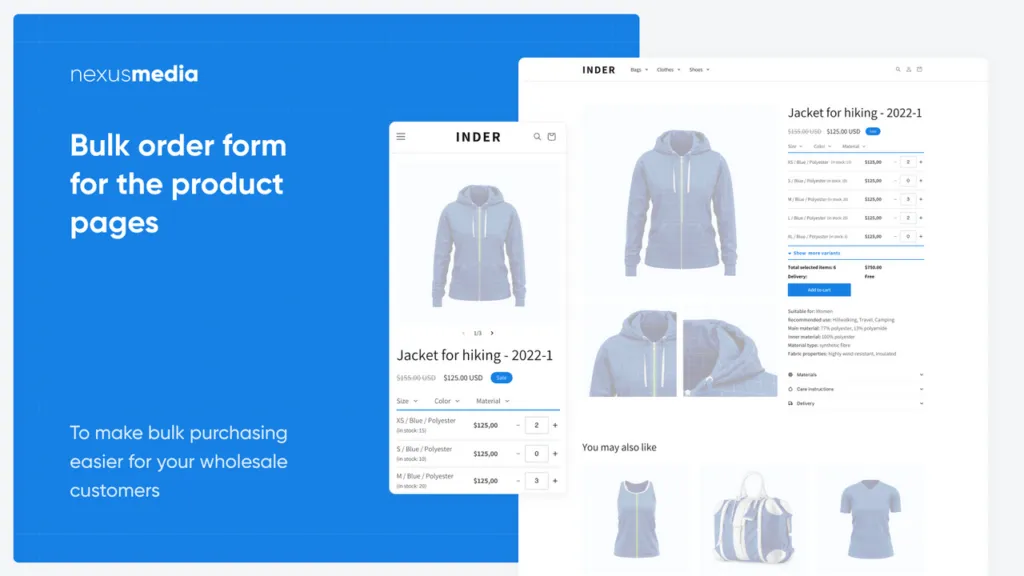
Scaling a B2B channel on Shopify Plus requires navigating complex pricing, ERP integrations, and custom checkout workflows that standard agencies cannot handle. This guide provides a concrete decision framework to evaluate a shopify b2b ecommerce agency and align technical execution with revenue outcomes.
Key Takeaways
- The Sub-5-Minute Sync Rule: Keep ERP inventory and pricing synchronization latency under 5 minutes to eliminate overselling and manual order corrections.
- Native Shopify Functions: Replace fragile custom apps with native Shopify Functions to dynamically execute custom discount rules, tax exemptions, and shipping logic at checkout.
- The Quick-Order Sheet Protocol: Implement bulk CSV uploads and rapid quick-order forms to reduce wholesale checkout times to under 2.0 seconds.
- Blended Architecture: Utilize a single blended storefront to serve both DTC and B2B customers, reducing maintenance costs by up to 40% compared to multi-store setups.
Quick Answer and Decision Context
A shopify b2b ecommerce agency specializes in configuring Shopify Plus B2B features, integrating ERP/CRM systems, and customizing wholesale checkout workflows to drive conversion. These agencies bridge the gap between complex enterprise resource planning and modern, consumer-grade digital purchasing experiences for wholesale buyers.
Enterprise operators must engage a specialized partner when experiencing any of the following triggers:
- ERP synchronization lag causes inventory discrepancies and overselling.
- Wholesale buyers demand custom pricing tiers, Net terms, or purchasing limits that native Shopify features cannot support out-of-the-box.
- Manual order entry processes slow down fulfillment and increase operational overhead.
What This Means for Shopify Plus Teams
Transitioning to or optimizing Shopify B2B requires a structural shift in how your team manages data. Unlike direct-to-consumer (DTC) setups, B2B architecture relies on robust company profiles, shared purchasing permissions, and complex price lists.
A specialized partner ensures your backend architecture supports high-volume transactions without performance degradation. This involves leveraging enterprise-grade Shopify development to build reliable API pipelines between your ERP and your storefront.
Key technical areas your team must address include:
- Company Profiles: Setting up multiple locations, buyers, and custom permission levels under a single corporate account.
- Price Lists & Catalogs: Assigning unique pricing rules and product visibility to specific customer segments.
- Payment Terms: Automating Net 30/60/90 terms and deposit requirements directly at checkout.
Choosing Your Store Architecture
When deploying B2B commerce in 2026, merchants must choose between a blended storefront and a dedicated expansion store. The table below outlines the key trade-offs:
Feature Blended Store Architecture Dedicated B2B Expansion Store Domain Strategy Single shared domain Separate subdomain (e.g., b2b.brand.com) Inventory Pool Shared real-time inventory Dedicated wholesale inventory pool Theme Maintenance Single codebase to update Dual codebases to maintain SEO Authority Consolidated domain authority Split domain authorityKey Risks, Costs, and Conversion Impacts
Deploying B2B features without a clear roadmap introduces technical debt and risks alienating high-value wholesale clients.
What to Avoid (Common Mistakes)
- Treating B2B like DTC: Assuming wholesale buyers navigate your site like consumer buyers leads to friction and abandoned carts.
- Hardcoding Price Lists: Creating static theme templates for custom pricing instead of using Shopify's native B2B logic makes catalog updates unmanageable.
- Neglecting Site Performance: Large wholesale catalogs with thousands of SKUs can degrade load times. Implementing technical Shopify speed optimization is critical to maintaining high conversion rates.
How to Fix and Mitigate Risks
- Use Shopify Functions: Customize checkout logic, discount rules, and shipping options dynamically without breaking native security protocols.
- Decouple Systems Safely: Ensure your ERP integration uses queue-based processing to prevent system crashes during peak ordering periods.
- Optimize UX for Speed: Build quick-order forms and bulk CSV upload features to streamline the purchasing process for repeat buyers.
Implementation Checklist
Use this step-by-step checklist to guide your B2B implementation and agency evaluation.
- Audit Existing Data Structures: Map out all customer records, ERP fields, and SKU variations before writing any code.
- Define Integration Touchpoints: Determine exactly how inventory, pricing, and order data will flow between Shopify and your ERP/CRM.
- Deploy Custom Checkout Logic: Use custom Shopify development to configure Net payment terms, tax exemptions, and custom shipping rules.
- Test Buyer Permissions: Verify that company administrators can manage their own buyers, view order histories, and pay invoices online.
- Execute Performance Testing: Run load tests on bulk-ordering pages to ensure the site handles high SKU counts and rapid cart additions under 2.0 seconds.
How Avelize Approaches B2B Portal Optimization
Our team approaches Shopify Plus B2B setups through a structured, data-driven methodology designed to maximize operational efficiency and conversion rates. We execute this through our proprietary ERP-First Integration Protocol, which ensures seamless data flow before any frontend code is written.
- Phase 1: Architecture & Mapping (Weeks 1-3): We audit your existing ERP data structures, customer records, and SKU variations to map out seamless integration touchpoints.
- Phase 2: Custom Development & Integration (Weeks 4-10): Our engineers build custom Shopify Functions, configure Net payment terms, and establish secure API pipelines with a target latency of under 5 minutes.
- Phase 3: Performance & Launch (Weeks 11-12): We run rigorous load tests on bulk-ordering pages to ensure the portal loads in under 2.0 seconds, followed by buyer permission testing and final deployment. KPI: 100% automated wholesale order processing.
If you are ready to scale your wholesale operations, explore our Shopify Plus development services to get started.
Measurement Plan and Next Steps
To ensure your B2B implementation delivers a return on investment, track these critical metrics post-launch:
- ERP Sync Latency: Keep data synchronization times under 5 minutes to prevent inventory discrepancies.
- Wholesale Conversion Rate: Monitor the percentage of logged-in B2B users who complete a purchase.
- Average Order Value (AOV): Track how bulk-ordering discounts and quick-order sheets impact total cart values.
- Order Processing Time: Measure the reduction in manual labor hours required to process wholesale orders.
To get started, audit your current B2B workflow, identify manual bottlenecks, and select an agency partner with proven ERP integration experience.
Frequently Asked Questions
How does Shopify B2B handle custom ERP integrations?
Shopify B2B handles custom ERP integrations primarily through the robust Shopify Admin GraphQL API and native webhook subscriptions. An elite shopify b2b agency leverages these endpoints to establish real-time, bidirectional data pipelines between Shopify Plus and enterprise resource planning systems like NetSuite, SAP, or Microsoft Dynamics 365. To prevent system crashes and API rate-limiting issues during high-volume ordering periods, we implement a queue-based middleware architecture. This setup ensures that complex data sets—including tiered wholesale price lists, customer-specific catalogs, real-time inventory levels, and custom Net payment terms—are synchronized with a latency of under five minutes. By decoupling the frontend storefront from direct ERP queries, the customer portal maintains sub-two-second page load speeds, preserving conversion rates while ensuring absolute data integrity across all corporate sales channels. Additionally, this integration framework automates the generation of draft invoices and updates customer credit limits instantly upon order placement.
Can we run DTC and B2B on a single Shopify store?
Yes. Shopify Plus allows you to run a blended store where public users see DTC pricing, while logged-in wholesale customers access custom catalogs, price lists, and payment terms on the same domain.
What is the average timeline for a Shopify B2B setup?
A standard B2B implementation ranges from 8 to 16 weeks, depending on the complexity of your ERP integration, the volume of custom price lists, and the level of design customization required.
To optimize your wholesale portal and eliminate manual operational bottlenecks, partner with an experienced shopify b2b agency to engineer a high-converting, fully integrated B2B storefront.
Published / Last reviewed: March 30, 2026
Authoritative References
Use these official resources to verify platform-specific claims and implementation details before making commercial or technical decisions.
Shopify Plus Conversion Review Framework
Conversion work on Shopify Plus should connect user experience, technical performance, merchandising, checkout behavior, and measurement quality. A redesign alone rarely fixes conversion if the page is slow, the offer is unclear, or analytics cannot explain where users hesitate.
- Review PDP clarity, trust signals, product discovery, and mobile usability.
- Audit app and script impact on Core Web Vitals and checkout flow.
- Compare conversion drop-offs by device, traffic source, product type, and landing page.
- Turn findings into a prioritized CRO backlog with measurable hypotheses.
Related Shopify and Ecommerce Growth Guides
Continue with these related guides for implementation, SEO, performance, and conversion context.
Related Avelize Services and Guides: B2b Wholesale Shopify Plus Agency · Plus Customization · Conversion Rate Optimization