
Technical SEO Checklist: 7 Steps to Scale Organic Traffic
By:
A professional technical SEO checklist is a prioritized, execution-focused framework designed to align a website's technical architecture, content quality, and user experience with modern search engine algorithms. In our work with merchants at Avelize, we find that systematic execution of crawlability, indexing, and on-page audits is the only reliable way to secure sustainable organic rankings. By focusing on high-impact technical adjustments, engineering teams can unlock hidden search visibility and prevent costly algorithmic penalties.
Key Takeaways
- The Core-7 SEO Audit Framework: A structured 7-step process that prioritizes crawlability, indexing, and page experience over low-impact on-page tweaks.
- Core Web Vitals Targets: Maintain an LCP under 2.5 seconds, INP under 200 milliseconds, and CLS under 0.1 to satisfy Google's page experience signals.
- Entity-First Mapping: Map each target keyword to a single, high-intent canonical URL to eliminate keyword cannibalization and maximize crawl efficiency.
Step 1: Technical Foundation Checklist (Crawlability & Indexing)
Before optimizing content, search engines must be able to discover and parse your pages. In our work with merchants, we prioritize the technical foundation to ensure crawl budget is allocated efficiently.
- Verify crawl budget allocation by auditing your Robots.txt file to ensure search bots can access high-value pages.
- Ensure your XML sitemap contains only canonical, indexable URLs with a 200 OK status code.
- Inspect the Google Search Console (GSC) Index Coverage report to resolve 404 errors, redirect loops, and "Indexed, though excluded by robots.txt" flags.
- Ensure your site uses a single canonical URL structure to prevent duplicate content penalties across protocol variants.
- Address complex indexing issues by leveraging specialized technical SEO and data services to clean up your site architecture.
Step 2: On-Page Optimization Checklist (Search Intent & Keyword Mapping)
On-page optimization links your targeting strategy directly to user demand. Map keywords based on search intent to avoid competing with your own pages in search engine results pages (SERPs).
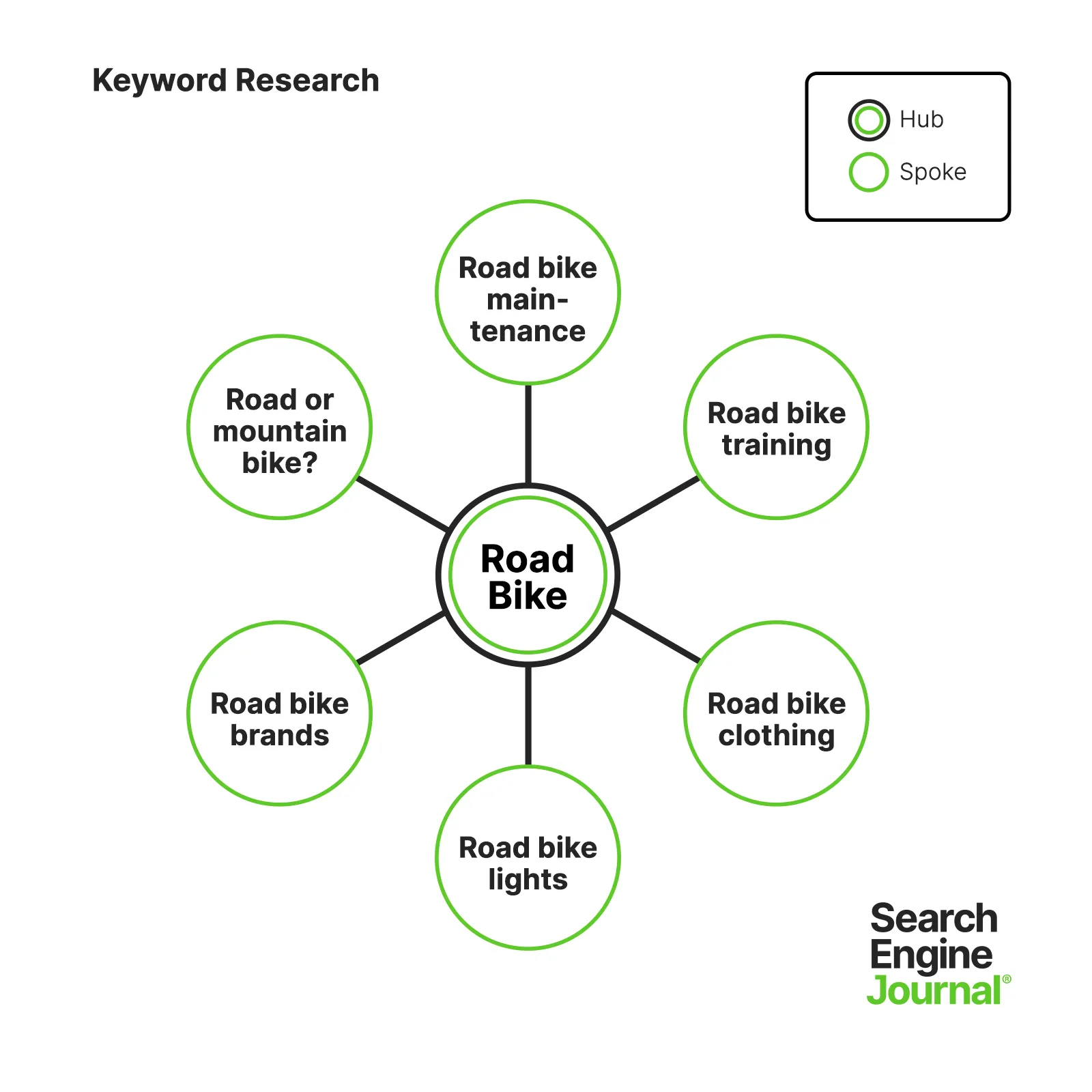
- Map each target keyword to a single URL to prevent keyword cannibalization across your domain.
- Align content formatting with the dominant search intent: informational, commercial, transactional, or navigational.
- Place your primary keyword within the first 100 words of your body copy.
- Optimize Title tags under 60 characters and Meta Descriptions under 155 characters to prevent truncation.
- Use descriptive, keyword-rich H2 and H3 subheadings to structure your content logically for search crawlers.
Step 3: Content Quality Checklist (EEAT & Helpful Content Alignment)
Search engines prioritize content that demonstrates real-world utility and genuine expertise. Move away from generic information and focus on unique, helpful insights.
- Demonstrate first-hand Experience by adding original images, case studies, or proprietary data.
- Establish Authoritative credentials by including clear author bios with links to external professional profiles.
- Build Trust by citing reputable external sources and keeping transactional pages secure.
- Remove or update outdated content that fails to provide comprehensive answers to user queries.
- Ensure your content directly answers the searcher's query without fluff to satisfy helpful content guidelines.
Step 4: User Experience & Core Web Vitals Checklist
Page experience directly impacts search visibility and user retention. Fast load times and stable layouts keep users on your site longer, sending positive signals to search engines.
- Measure and optimize Largest Contentful Paint (LCP) to stay under 2.5 seconds.
- Minimize Interaction to Next Paint (INP) to keep page responsiveness under 200 milliseconds.
- Maintain a Cumulative Layout Shift (CLS) score of less than 0.1 to prevent unexpected layout movements.
- Ensure mobile responsiveness using Google's mobile-friendly testing methodologies.
- If you run an e-commerce platform, implement a dedicated Shopify speed optimization protocol to reduce bounce rates and lift conversions.
Step 5: Schema Markup & Rich Snippet Checklist
Structured data helps search engines understand the context of your content. Implementing schema is the most direct way to claim rich features in the SERPs.
- Deploy Article or BlogPosting schema on all editorial resources.
- Implement Product and Review schema on product pages to display star ratings and pricing in SERPs.
- Apply Organization schema with complete social profile links and logo details.
- Validate all structured data using the Schema Markup Validator and Google's Rich Results Test tool.
- Fix unparsable structured data errors in GSC to prevent losing rich snippet real estate.
Step 6: Off-Page SEO & Authority Building Checklist
Off-page authority validates your site's relevance and trustworthiness. Focus on acquiring high-quality backlinks that drive actual referral traffic.
- Execute a broken link building campaign targeting resource pages in your niche.
- Reclaim lost link equity by redirecting broken URLs that still point to external backlinks.
- Monitor your backlink profile in Ahrefs or Semrush to identify and disavow toxic, spammy domains.
- Publish original industry research or surveys to naturally earn high-authority editorial backlinks.
- Optimize your brand's digital footprint across authoritative third-party directories.
Step 7: Performance Tracking & Analytics Audit Checklist
Data validation ensures your optimization efforts translate into business growth. Use this sequence to configure your reporting setup:
- Set up Google Analytics 4 (GA4) with custom conversion events to track high-value user actions.
- Connect Google Search Console to monitor organic click-through rates (CTR) and average keyword positions.
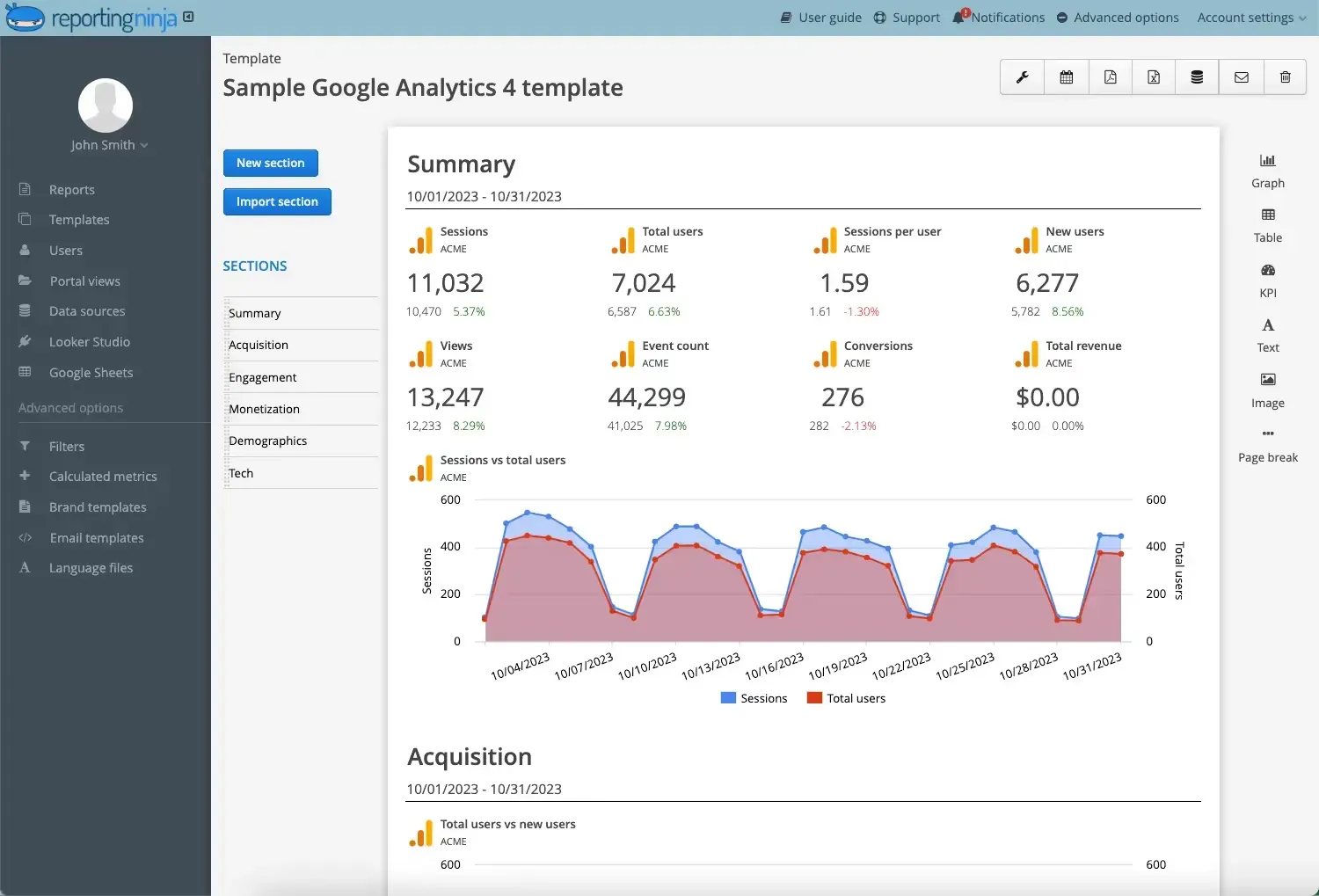
- Build a custom Looker Studio dashboard to consolidate organic traffic, conversion rates, and keyword performance.
- Audit your referral traffic quarterly to filter out spam referral domains distorting your conversion data.
- Monitor keyword ranking fluctuations weekly to spot early signs of algorithmic shifts or technical drops.
Common SEO Mistakes to Avoid in 2026
- Optimizing for high-volume keywords without checking if the search intent is informational or commercial.
- Ignoring internal linking structures which prevents link equity from flowing to high-priority landing pages.
- Allowing low-quality, thin, or duplicate pages to consume your crawl budget.
- Failing to optimize mobile UX, assuming desktop performance matches mobile performance.
How Avelize Approaches Technical SEO Strategy
Our team approaches technical SEO through our proprietary Core-7 SEO audit framework. We don't just hand over a checklist; we engineer the solution.
- Phase 1: Technical & Crawlability Audit (Weeks 1-2) | Cost: Included in retainer | KPI: 100% indexation of high-value pages.
- Phase 2: Core Web Vitals & UX Engineering (Weeks 3-4) | Cost: Custom development | KPI: LCP < 2.5s, INP < 200ms. If you need structural layout improvements to boost page experience, consult our professional design and UX services.
- Phase 3: Semantic Schema & Content Mapping (Weeks 5-6) | Cost: Content engineering | KPI: Rich snippet acquisition on target terms.
Frequently Asked Questions
Is a technical SEO audit worth it for Shopify Plus stores?
Yes, executing a technical SEO audit is highly valuable for Shopify Plus stores because enterprise e-commerce platforms naturally generate complex crawl paths, duplicate collection loops, and bloated JavaScript payloads. In our work with merchants, we frequently observe that default Shopify architectures allow search bots to waste crawl budget on non-canonical filtered tag pages and duplicate product URLs. By conducting a systematic technical audit, engineering teams can implement precise Liquid logic modifications, optimize the GraphQL Storefront API queries, and configure robust robots.txt directives. This ensures search crawlers prioritize high-margin product pages and collection landing pages. Resolving these structural inefficiencies directly improves indexation rates, accelerates Core Web Vitals performance, and prevents algorithmic visibility drops during peak traffic events like BFCM. Ultimately, a technical audit transforms a standard Shopify setup into a highly performant, search-optimized engine that maximizes organic acquisition and revenue.
How long does a technical SEO audit take to show results?
Typically, technical SEO optimizations yield visible ranking and crawl rate improvements within 2 to 6 weeks after implementation. Search engines like Google must re-crawl and re-index the updated URL structures, canonical tags, and schema markup before adjusting the search engine results pages (SERPs).
What is the difference between technical SEO and on-page SEO?
Technical SEO focuses on backend website optimization, such as crawlability, indexation, site speed, and structured data, ensuring search engines can read the site. On-page SEO focuses on optimizing individual page elements, including content quality, keyword targeting, title tags, and search intent alignment.
Ready to eliminate technical bottlenecks and scale your organic acquisition? Contact our team today to learn more about our Technical SEO & GEO programs.
Published / Last reviewed: March 15, 2026
Related Shopify and Ecommerce Growth Guides
Continue with these related guides for implementation, SEO, performance, and conversion context.
- Enterprise Shopify SEO Services: Technical Retainer Guide
- Programmatic SEO for Ecommerce: Scale Catalog Traffic
- Magento to Shopify Plus Migration: Prevent SEO Traffic Loss
- Shopify Technical SEO Audit: Fix Crawl Budget [2026 Guide]
- Shopify Local SEO: Multi-Store Schema & Location Pages
- Custom Shopify Schema: Advanced Enterprise SEO Guide
- Shopify SEO Services: Scale Organic Revenue [2026 Guide]
- Shopify Plus Migration Consultant SEO Replatforming Guide
- Scale Shopify Plus: Google Ads & Meta Testing [2026]
- Shopify Markets International SEO: Multi-Region Guide
- JavaScript SEO Checklist: Shopify Enterprise Rendering [2026]
- Meta Ads Creative Testing: Scale Ecommerce ROAS
- Shopify Plus Migration Guide: Timeline, Cost & Risk Checklist
- Shopify Plus Technical SEO: Fix Funnel Leaks
- Shopify Programmatic SEO: Scale Large Catalog Links
- Shopify Markets Local SEO: Enterprise Subfolder Strategy
- Shopify Markets International SEO: Technical Setup Guide
- Shopify Plus SEO Optimization: What Works in 2026
- Shopify Plus Technical SEO Guide (2026)
- Shopify Technical SEO Audit: Fix Crawl & Schema Issues
- Shopify SEO Services: Technical Vetting Guide [2026]
- Magento to Shopify Plus Migration: SEO & Data Guide
- Outsource Shopify SEO: Agency vs Consultant Vetting
- Shopify Plus Optimization Services: Scale Storefront Speed
- Programmatic SEO for Shopify Markets: Scale Catalog Traffic
- Google Ads for Shopify Plus: Scale Without Margin Erosion
- Scale Shopify Plus: Custom Workflow Automation Blueprints
- AI Technical SEO Audits for Shopify Plus: Enterprise Guide
- Shopify Workflow Automation: Scale Operations in 2026
- Programmatic SEO: Indexing Shopify Filter Pages Safely
- Shopify Plus International: Global Scale & Localization
- GEO vs SEO for Shopify: Winning the AI Search Landscape
Authoritative References
Use these official resources to verify platform-specific claims and implementation details before making commercial or technical decisions.
Related Avelize Services and Guides: Shopify Seo Services · Technical Audits · Seo Optimization Services